Industry Insights: How the AI & Electronics Revolution is Reshaping the Supply Chain and Driving Upstream Fiberglass Yarn Costs
Read More >>
How to go to Suntex?
Why is Suntex a reliable supplier?
Besides competitive prices, what else can Suntex provide?
What are Suntex's products?
Looking for any help?
Welcome to the ultimate guide on welding blankets! Whether you’re a professional welder or a DIY enthusiast, having the right welding blanket is key for safety and efficiency. In this guide, we’ll explore the different types, materials, sizes, and more.
Finding the perfect welders blanket can be overwhelming, but don’t worry! We’re here to help. Whether you need a blanket to protect yourself, your work area, or nearby equipment from sparks, heat, and molten metal, we’ll explain the options to help you make an informed choice.
From fiberglass welding blanket and silica to Kevlar and carbonized felt, we’ll look at the different materials used in welding blankets, highlighting their pros and cons. We’ll also discuss the various sizes and styles available, so you can find the perfect fit for your needs.
If you’re tired of searching through countless websites and conflicting information, this guide is for you. We’ll provide all the information you need to choose the right welding fire blanket, ensuring safety and peace of mind during your projects. Let’s dive in and discover everything you need to know about the fire blanket for welding!
In my experience, welding blankets are crucial for maintaining safety in welding environments. They protect against intense heat, sparks, and molten metal, preventing fires and damage to nearby surfaces and equipment. This protection is essential not only for your safety but also for maintaining the integrity of your workspace. Without a proper fire proof welding blanket, the risk of accidents and costly damages increases significantly. Therefore, investing in high-quality welding cloth is an essential step for anyone involved in welding activities.
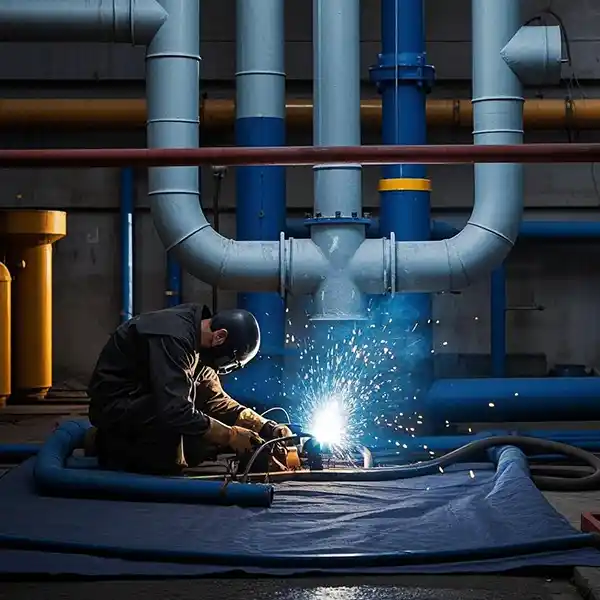
I’ve found that welding blankets come in different types to meet various protection needs, such as lightweight, medium, and heavy-duty options. Lightweight blankets are ideal for smaller projects or when mobility is necessary. Medium-duty blankets offer a balance of protection and flexibility, making them suitable for a range of tasks. Heavy-duty blankets provide maximum protection for high-temperature applications, ensuring safety in the most demanding environments. Understanding these types helps you select the right blanket for your specific welding activities, ensuring you have the necessary protection.
Choosing the right welding blanket depends on the type of welding and the environment. Here are key factors to consider:
By considering these factors, you can select the welding blanket that best meets your needs, ensuring safety and efficiency.
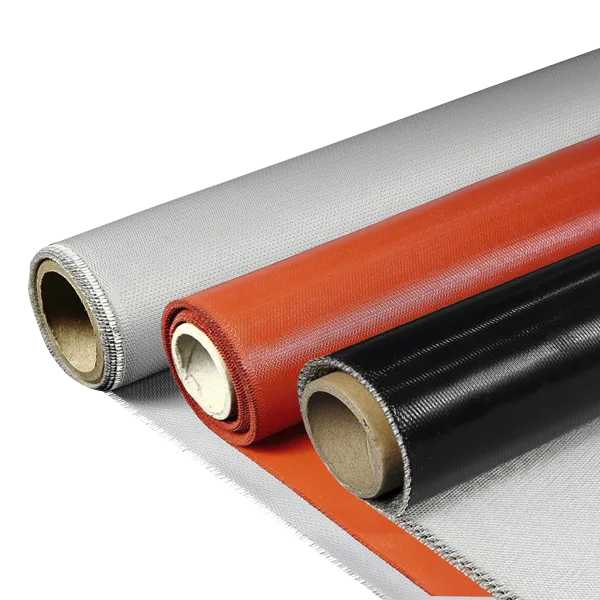
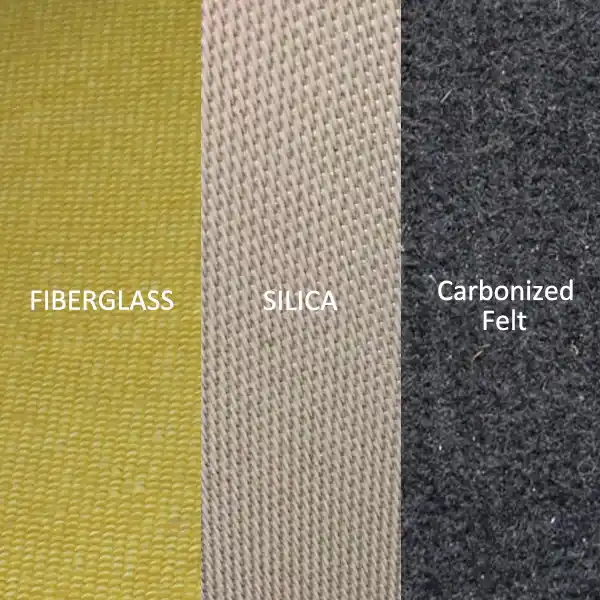
The material of a welding blanket significantly affects its performance and suitability for different tasks. In my experience, fiberglass welding cloth is popular due to its affordability and durability, making it suitable for general purposes. Silica blankets offer excellent heat resistance and are ideal for high-temperature applications. Kevlar welding blanket provides superior protection against sparks and cuts, while carbonized felt is known for its flexibility and heat resistance. Each material has its unique strengths and weaknesses, so it’s important to consider your specific needs and environment when choosing a welding blanket material.
Selecting the right size for your welding blanket is crucial for effective protection. Blankets come in various dimensions to accommodate different workspaces and tasks. A larger blanket provides extensive coverage, ideal for protecting wide areas or multiple pieces of equipment. However, it’s essential to ensure that the blanket fits well within your workspace to avoid any gaps that could expose surfaces to heat or sparks. By measuring your work area and understanding the dimensions of available blankets, you can choose a size that offers optimal protection without compromising on convenience or safety.
Proper usage of a welding blanket is vital to ensure maximum protection. To ensure optimal protection when using welding blankets, I follow these steps:
1. Prepare the Work Area:
2. Place the Welding Blanket:
3. Secure the Blanket:
4. Maintain a Safe Distance:
5. Regular Inspection:
6. Cleaning and Storage:
By following these steps, I can maintain a safe and efficient welding environment, reducing the risk of accidents.
Regular maintenance and cleaning of your welding blanket are essential to prolong its lifespan and effectiveness. After each use, inspect the blanket for any damage, such as burns or tears, and address these issues promptly. Cleaning methods vary depending on the material, but generally, you can shake off debris and gently wash the blanket according to the manufacturer’s instructions. Avoid using harsh chemicals or abrasive tools that could damage the material. By maintaining your insulated welding blanket properly, you ensure it remains a reliable safety tool in your welding projects.
Safety should always be a priority when using welding blankets. Before each use, inspect the blanket for any damage or wear that could compromise its effectiveness. Ensure that the blanket is flame-resistant and suitable for the temperatures you will be working with. Keep the welding area clear of flammable materials and ensure proper ventilation. Always follow the manufacturer’s guidelines and industry safety standards to prevent accidents. By taking these precautions, you can create a safer working environment and reduce the risk of fire or injury during welding activities.
Choosing high-quality, reasonably priced welding blankets is crucial for ensuring safety and cost-effectiveness. It’s important to consider whether the supplier is a specialized manufacturer and if the pricing is fair.
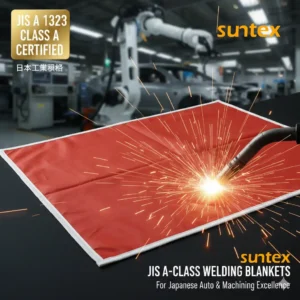
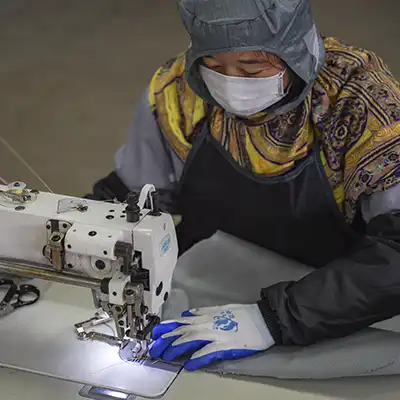
As a leading welding blanket manufacturer in China, Suntex has been producing for top welding brands worldwide for nearly 20 years, with extensive experience in welding blanket production. We offer a wide range of sizes and materials, from light-duty to medium-duty to heavy-duty blankets.
Most importantly, Suntex also produces high-temperature fabrics, meaning all materials for our welding blankets are self-produced, perfectly controlling quality and price.
Please contact Mr. Jason for inquiries about welding blankets at [email protected].
Choosing the right welding blanket is crucial for safety and efficiency in welding projects. By understanding the types, materials, sizes, and proper usage, you can make an informed decision. Use this guide to find the perfect welding blanket roll and ensure a safe working environment.
Other FAQ / Blogs / News >>