Car Fire Blanket
We design it, we make it, we test it.
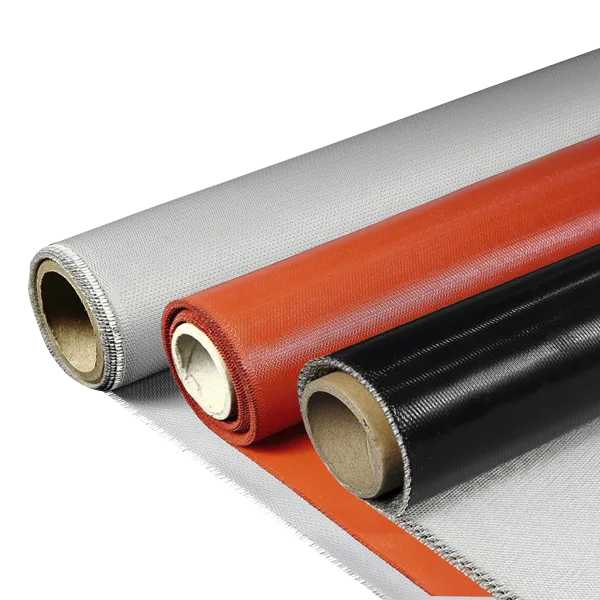
Suntex car fire blanket is a safety device specifically designed to handle fires that may happen in vehicles. It is a sheet made of non-flammable materials like fire-resistant fabric or fiberglass.
If a fire occurs, the blanket is used to cover the flames entirely, which helps to suffocate them by depriving them of oxygen and effectively putting out the fire. Car fire blankets are compact, easy to store, and can be readily accessed during emergencies. They are an essential safety tool to have on hand in a vehicle.
The principle of a car fire blanket is to smother the fire and cut off its oxygen supply, which helps control and suppress the flames.
You can use a car fire blanket to extinguish the flames of a burning fuel vehicle.
But you can't extinguish the flames of a buring electrical vehicle, because batteries generate their own oxygen when they burn. So for burning electrical vehicles, car fire blankets can only control the flames and protect the safety of people and property around them. Only through the car fire blanket and tons of water can the fire be completely controlled.
Who/where need car fire blankets?
Vehicle Owner
Owners of electric vehicles need a car fire blanket for added safety in case of battery-related fires, as it can help smother and control flames, protecting themselves and minimizing damage to their vehicle.
Fire Fighter
Firefighters need a car fire blanket as it allows them to quickly suppress vehicle fires, safeguarding lives, preventing fire spread, and minimizing damage to the surrounding area.
Firefighting equipment dealer
Firefighting equipment dealers benefit from offering car fire blankets as they are in high demand for fire safety, providing effective fire control and protection for vehicles, meeting customers' needs, and enhancing their product range.
Fuel Station
Fuel stations need car fire blankets to promptly respond to vehicle fires, protecting customers, staff, and property. They provide a crucial tool for fire control and minimize the risk of fire-related accidents and damage at the station.
Charging Station
Charge stations need car fire blankets to effectively manage and control potential vehicle fires during charging. They enhance fire safety measures, protect users, and mitigate the risk of fire-related incidents, ensuring a safer charging environment.
Parking lots
Parking lots need car fire blankets to address vehicle fires swiftly, protecting nearby cars, minimizing fire spread, and ensuring the safety of occupants and surrounding structures, enhancing overall fire safety in the parking facility.
Ferries
Ferries need car fire blankets to mitigate fire risks on board, providing a crucial tool to control and suppress vehicle fires, ensuring passenger safety, preventing fire spread, and minimizing damage to the vessel.

Vehicle transport Company
Vehicle transport companies require car fire blankets to handle potential vehicle fires during transportation, ensuring the safety of vehicles being transported, mitigating fire risks, and minimizing damage to the transported vehicles and other cargo.
Which car fire blankets
does Suntex offer?
Suntex Car Fire Blanket
Size
6*8m / 6*9m
Material
Fiberglass fabric + Flame retardant coating on both sides
Sew Thread
Enhanced Thread
Weight
6*8m: 27kg | 6*9m: 30kg
Thickness
0.45 mm
Color
Grey /Black /Red or customized
Certification
EN13501-1
Max Working Temp. (Instant)
1000℃
(Instant)
Max Working Temp. (Continuous)
500℃
(Continuous)
Package
PVC Carrying Bag
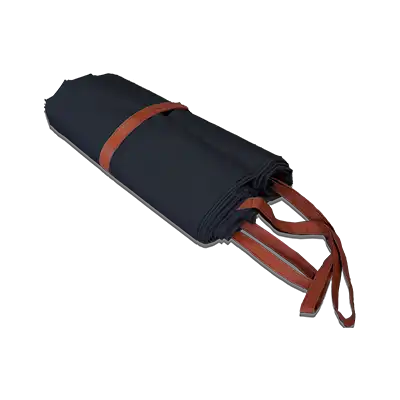
Suntex Car Fire Blanket Pro
Size
6*8m / 6*9m
Material
Silica fabric + Flame retardant coating on both sides
Sew Thread
Enhanced Thread
Weight
6*8m: 33kg | 6*9m: 37kg
Thickness
0.6 mm
Color
Black/Grey /Red or customized
Certification
EN13501-1
Max Working Temp. (Instant)
1500℃
(Instant)
Max Working Temp. (Continuous)
1000℃
(Continuous)
Package
PVC Carrying Bag
The performance of car fire blanket in High Tempearutre

*[1] This temperature is the temperature of the surface of the car shell after the car has burned.
*[2] This temperature is the peak temperature that a LiMH battery can reach when burning.
*[3] This temperature is the peak temperature that a LiON battery can reach when burning.
* The above data is sourced from Suntex’s internal testing and is for reference only. The heat generated during a car fire can vary due to many factors, and this data may not cover all scenarios.
Why Choose Suntex?
Suntex has conducted multiple real vehicle fire tests to continuously improve the materials, details, and stitching techniques of the car fire blanket. This ensures that the blanket’s seams will not unravel under high temperatures and that it is resistant to both high heat and explosive impacts.
As a leading supplier of high-temperature materials, Suntex’s car fire blanket combines their extensive experience in the field. Suntex has collaborated with fire safety organizations and top Chinese universities to thoroughly select materials, ensuring the car fire blanket’s performance.
How to use the car fire blanket?
Step 1. Pulling Out Car Fire Blanket
Quickly pulling out the car fire blanket from the carrying bag. Which has rope in the top, should release it firstly.
Do not get too close to the car when pulling out the blanket. A car on fire is very dangerous and the blanket should be pulled out in a safe place.

Step 2. Unfolding Blanket
Unfold the car fire blanket: Remove it from its storage location/carrying bag and unfold it fully, ensuring it is free of any obstructions or tangles.
When unfolding the car fire blanket, be cautious not to tangle the handles together to avoid difficulty in separating them, which could delay the rescue operation.

Step 3. Grabing Handles
There are a total of four handles on the car fire blanket blanket, with one at each corner. It requires a minimum of two individuals to grab the handles at the corners of the shorter sides, quickly lift the blanket, and cover the vehicle that is on fire.
The car fire blanket should be elevated as much as possible before dragging it to cover the burning vehicle. If it is not elevated sufficiently, there is a high chance that the blanket will get caught at the front of the vehicle, making it difficult to continue dragging.

Step 4. Covering the Fire Vehicle
Drag the car fire blanket and completely cover the burning vehicle with it.
Do not overdrag the car fire blanket to prevent parts of the vehicle from being uncovered and exposed again.

Step 5. Wrap the Corners of Vehicle
After the car fire blanket has completely covered the vehicle, try to wrap the blanket around the car as much as possible to isolate the air.
When there are significant flames on the vehicle, exercise caution as there is a risk of explosion. It may be advisable to skip this step or utilize long tools to accomplish it safely.

How to clean a car fire blanket for reuse?
Step 1. Cooling Down
After removing the fire blanket, wait for a few minutes to let it cool down. Because there may be melted plastic or metal adhering to it, direct contact could cause burns.
Step 2. Using Personal Protective Equipment
When handling the used fire blanket, wear appropriate personal protective equipment such as gloves and masks. This is because the fire blanket may have plastic, metal, glass, corrosive liquids, toxic particles, etc. stuck on it, and direct contact with these substances, inhalation or potential scratches can harm the human body.
Step 3. Inspecting for Damage
After cooling down and with proper protection in place, carefully check whether the fire blanket has tears, holes, severe discoloration or embrittlement. If there is any damage, it's usually not recommended to reuse it and a new fire blanket should be replaced.
Step 4. Cleaning
If the fire blanket has no obvious damage, you can gently wipe it with a soft, damp cloth to remove surface dirt and residues. Avoid using brushes or harsh cleaners to prevent damage to the fibers of the fire blanket.
Step 5. Drying
Place the cleaned fire blanket in a well-ventilated area to dry naturally. Avoid direct sunlight and high-temperature baking to prevent damage to the material of the car fire blanket.
Step 6. Folding and Storage
After it is completely dry, fold the fire blanket in the correct way and put it back in its original storage location or storage container. Make sure its storage location is easy to access and there are no sharp objects or items that could damage the fire blanket around it.
Frequently asked questions (FAQ)
Why choose Suntex's Car Fire Blanket?
5 Reasons to Choose Suntex’s Car Fire Blanket:
Leading Manufacturer: Suntex is a leading manufacturer of high-temperature fabrics and the largest manufacturer in China, operating in this industry since 2004.
Quality Focus: Suntex places a strong emphasis on product quality, with all materials for car fire blankets sourced in-house and quality strictly controlled at every stage.
Dual Quality Verification: Suntex’s materials are certified by both SGS China and LNE Europe, ensuring quality through third-party testing agencies.
Eco-Friendly Products: All products offered by Suntex meet environmental standards, with zero pollution generated during the manufacturing process. All materials are ROHS certified.
Employee Satisfaction: Suntex’s products come from the happiness of our employees. We provide competitive wages, insurance, and ensure a safe, comfortable working environment. We believe that the best products come from happy employees.
How many people are needed to handle a car fire blanket when there's an emergency fire?
Handling a car fire blanket should ideally involve at least two people for safety and coordination. One person can hold the blanket while the other approaches the fire to smother the flames. Factors like the fire’s size and the blanket’s dimensions affect this. Always prioritize safety; if the fire is large or dangerous, evacuate the area and call emergency services instead of attempting to extinguish it.
How to clean a car fire blanket for reuse?
Step 1. Cooling Down
After removing the fire blanket, wait for a few minutes to let it cool down. Because there may be melted plastic or metal adhering to it, direct contact could cause burns.Step 2. Using Personal Protective Equipment
When handling the used fire blanket, wear appropriate personal protective equipment, such as gloves and masks. This is because the fire blanket may have plastic, metal, glass, corrosive liquids, toxic particles, etc. stuck on it, and direct contact with these substances, inhalation or potential scratches can harm the human body.Step 3. Inspecting for Damage
After cooling down and with proper protection in place, carefully check whether the fire blanket has tears, holes, severe discoloration, or embrittlement. If there is any damage, it’s usually not recommended to reuse it, and a new fire blanket should be replaced.Step 4. Cleaning
If the fire blanket has no obvious damage, you can gently wipe it with a soft, damp cloth to remove surface dirt and residues. Avoid using brushes or harsh cleaners to prevent damage to the fibers of the fire blanket.Step 5. Drying
Place the cleaned fire blanket in a well-ventilated area to dry naturally. Avoid direct sunlight and high-temperature baking to prevent damage to the material of the car fire blanket.Step 6. Folding and Storage
After it is completely dry, fold the fire blanket in the correct way and put it back in its original storage location or storage container. Make sure its storage location is easy to access and there are no sharp objects or items that could damage the fire blanket around it.Can the car fire blanket withstand sharp edges?
The fire blanket is typically made from fiberglass, which gives it high strength and heat resistance. However, if it gets damaged or develops holes due to contact with sharp objects, its effectiveness for multiple uses will be significantly compromised. Therefore, it is advisable to avoid contact with sharp edges when using the fire blanket to ensure its reliability and safety in emergency situations.
Does the car fire blanket have PFAS materials?
SUNTEX’s fire blankets do not contain any PFAS materials. These blankets are designed to provide safety without compromising on health concerns associated with PFAS substances. You can feel confident using SUNTEX fire blankets.
How long does the car fire blanket should cover a fire car?
- Fuel Vehicle Fires
A typical fire will be extinguished by a fire blanket within a few minutes. However, for added safety, it is advisable to keep the blanket covering the fire for 20-30 minutes. Ideally, a thermal imaging camera should be employed to verify that the temperature beneath the blanket has fallen below 200 °C. Using water can help accelerate the cooling process.
- Electric Vehicle Fires
During an electric vehicle fire, a fire blanket can help contain the flames and prevent the fire from spreading. While the blanket will manage the flames, heat, and smoke, it is important to note that it does not extinguish a battery fire due to the lack of oxygen. Ensure that the temperature has sufficiently decreased, as battery cells may continue to react for several hours and could reignite.
How many times the car fire blanket can be used?
The ability to reuse a fire blanket is influenced by the fire load, specifically how long it was in use and the temperatures it encountered. It’s also important to inspect the blanket for any physical damage, such as cracks or holes.
We have observed that the silicone coating may sometimes develop white spots. This is a normal reaction occurring when the coating fuses with the glass fibers, and it does not compromise the blanket’s performance.
In general, if the blanket does not have any cracks or holes, it can continue to be used.
Does the car fire blanket have an expiry date?
As long as it is stored properly, a car fire blanket has no expiration date. The car fire blanket should be kept in a cool, dry place whenever possible, avoiding direct sunlight.
Does Suntex have Motorcycle Fire Blanket?
Yes, we have two types of motorcycle fire blankets: Standard and Pro.
Size: 1.2 x 1.2 m, 3.0 x3.0 m
Kindly contact [email protected] to know more.
Does Suntex's car fire blanket have the certificate of DIN SPEC 91489
So far, Suntex does not have DIN SPEC 91489 certification due to the inability to find a leading third-party organization to conduct the certification. We have consulted institutions such as SGS, BV, and TUV, all of which have indicated that the guidelines within DIN SPEC 91489 are not detailed enough to perform the tests. If you know of any organizations that can issue DIN SPEC 91489 certification, please contact us. Thank you. (Note: The certification body must be internationally recognized).
Although we are currently unable to obtain DIN SPEC 91489 certification, we have analyzed the specific content of the standard, which includes several aspects: fire performance, thermal insulation, mechanical properties, chemical stability, and environmental impact. Fortunately, Suntex performs well in these areas:
Fire Performance: As a leading manufacturer of fire-resistant materials, Suntex produces fireproof fabrics for car fire blankets that meet EN13501-1 A2 level standards. Additionally, we have our own laboratory to test each batch of materials, ensuring they meet fire performance criteria.
Thermal Insulation: Suntex has conducted real vehicle combustion tests on our car fire blankets, collaborating with well-known universities in China for testing and analysis. Our car fire blanket meets heat insulation requirements during firefighting processes and can also meet certain explosion-proof needs.
Mechanical Properties: Suntex’s proprietary laboratory tests the mechanical properties of each batch of fire-resistant fabric, ensuring that only quality materials are used in the production of car fire blankets. We also have strict requirements for sewing thread, which can withstand extreme conditions up to 1000°C—something many other suppliers cannot provide.
Chemical Stability: We are highly concerned about the potential harm to human health from our products. Thus, our materials meet the requirements for chemical stability and are free from PFAS components.
Environmental Impact: Protecting the environment is a key standard for Suntex products. The materials we use comply with ROHS standards, and we ensure that the production process generates no pollutant emissions. Additionally, we provide adequate PPE protection for our employees.