Industry Insights: How the AI & Electronics Revolution is Reshaping the Supply Chain and Driving Upstream Fiberglass Yarn Costs
Read More >>
How to go to Suntex?
Why is Suntex a reliable supplier?
Besides competitive prices, what else can Suntex provide?
What are Suntex's products?
Looking for any help?
Recent wildfires in California have highlighted the urgency of effective fire prevention strategies, devastating vast forests and countless homes, and exposing the vulnerability of both natural and built environments. Fires pose a continuous threat in forested areas, causing widespread destruction and endangering lives, making the search for effective fire prevention solutions crucial. In this challenge, fiberglass fabrics emerge as a key element. With their exceptional heat resistance and non-combustible properties, these materials provide a solid solution for creating protective barriers that can withstand flames, radiant heat, and sparks, preventing the rapid spread of fire.
Additionally, fiberglass fabrics are lightweight and flexible, easy to install, and suitable for various applications, such as creating fire barriers, curtains, and wraps to protect areas vulnerable to fire threats. By incorporating fiberglass fabrics into fire prevention strategies, we can significantly reduce the risk of wildfires, safeguarding forests, homes, and lives. Let’s delve into the properties and applications of fiberglass fabrics to explore their revolutionary potential in fire prevention.
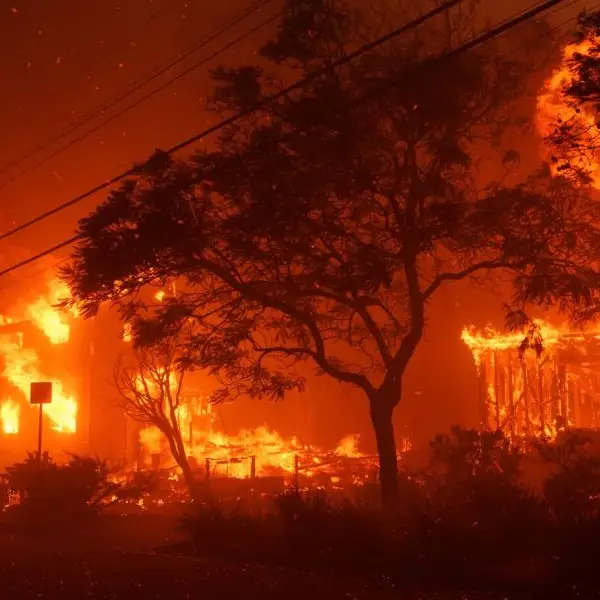
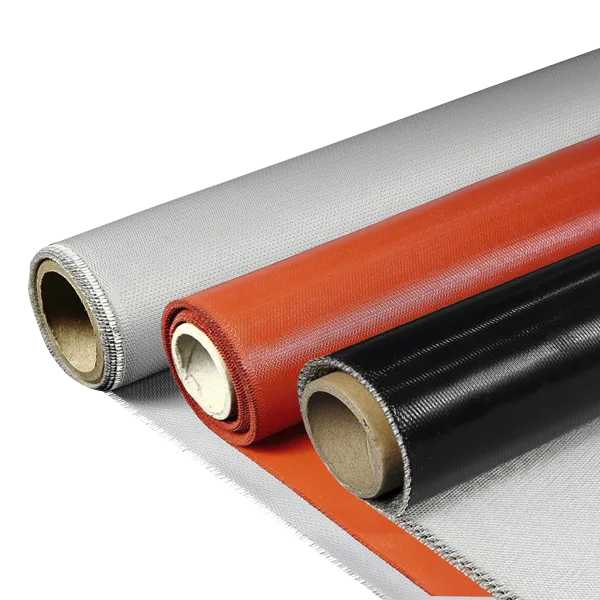
Fiberglass fabrics are made from fine glass fibers, offering excellent heat resistance and durability. These non-combustible materials can withstand extreme temperatures, making them ideal for fire prevention applications. Even under high heat, their structural integrity remains intact, providing reliable protection. Fire-resistant fabrics, composed of fiberglass combined with other materials, meet various scenarios and needs. For instance, silicone-coated fiberglass fabric is soft and skin-friendly, PU-coated fiberglass fabric is abrasion-resistant and easy to cut, and aluminum foil laminated fiberglass fabric can reflect heat.
As a crucial component of fire prevention strategies, fiberglass fabrics effectively block flames, radiant heat, and sparks. Their integration helps slow the spread of fire, providing critical protection to vulnerable areas and minimizing potential catastrophic damage. Below, we introduce different fiberglass fabric products and their uses in fire prevention:
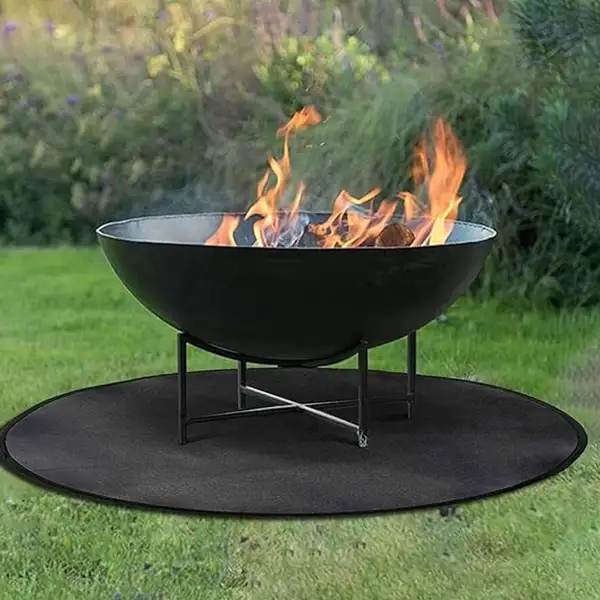
Fire Pit Mats are mats made from high-temperature-resistant fiberglass materials, designed to protect the ground from the heat and sparks of fire pits. They can withstand extremely high temperatures, preventing the heat from igniting surrounding vegetation or other combustibles. Additionally, Fire Pit Mats effectively block flying sparks and ashes, reducing the risk of wildfires. Their lightweight and portable features make them ideal for camping and outdoor activities, offering convenient fire protection. By using Fire Pit Mats, fire accidents can be significantly reduced, ensuring the safety of outdoor activities.
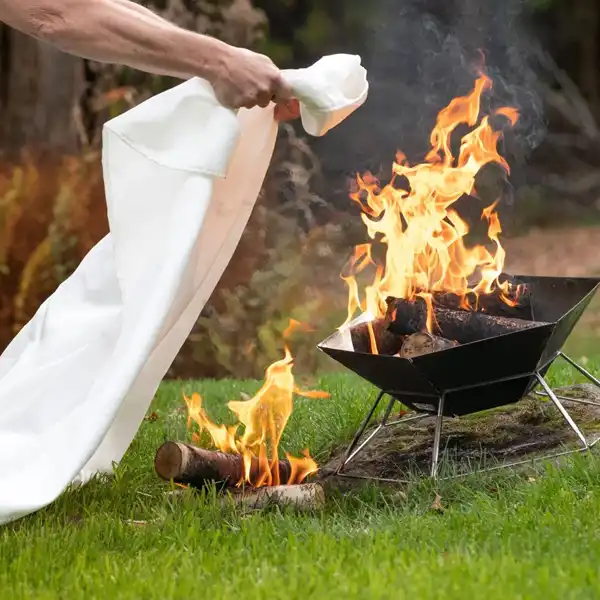
Fire Blankets are safety devices made from high-temperature-resistant materials, commonly used to extinguish small fires, such as kitchen fires or clothing fires. They extinguish flames by covering the fire source and cutting off oxygen. Due to their high-temperature resistance and non-combustibility, they maintain integrity during the extinguishing process. Fire Blankets are simple to use; just unfold and cover the fire source. They are essential safety devices for handling small fires in homes and workplaces and can also be used to extinguish small outdoor fires.
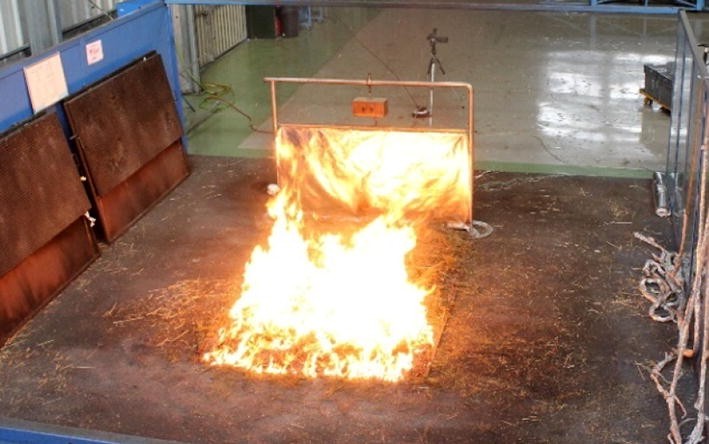
Active Barrier systems combine fire-resistant fiberglass fabrics with water sprinkler systems to effectively isolate flames and prevent the spread of fire. Fire-resistant fiberglass fabrics offer excellent high-temperature resistance, forming a physical barrier in the early stages of a fire to block flame spread. The sprinkler system automatically activates upon detecting a fire, quickly reducing temperature and decreasing radiant heat from combustibles. Together, they provide dual protection by physically blocking fire spread and enhancing fire extinguishing through cooling and moistening the environment.
Aluminum fiberglass fabric can be made into various sizes of fireproof covers, which can withstand high temperatures, act as barriers to block flame spread, and reflect heat, reducing damage from high temperatures to houses and other properties.
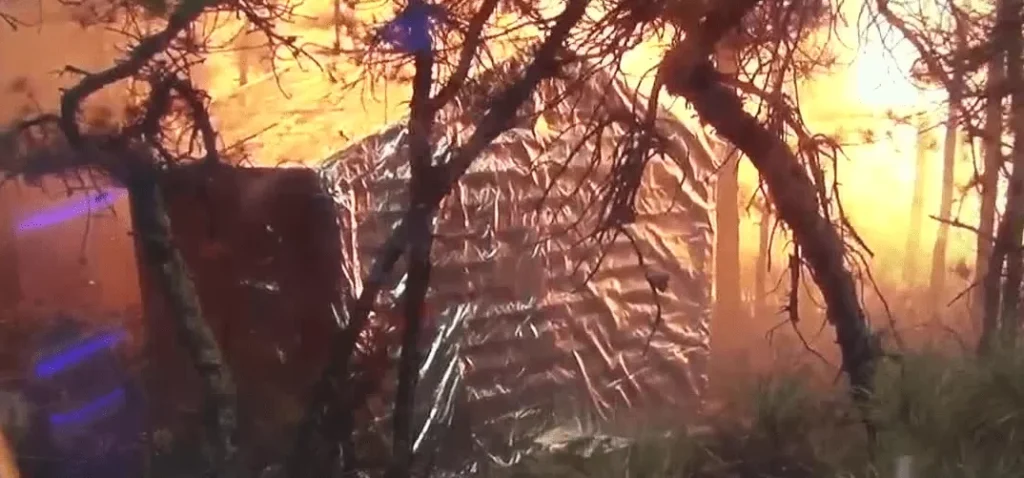
Firstly, fiberglass fabrics are lightweight and highly flexible, allowing for quick installation and deployment in complex terrains. This flexibility enables adaptation to various landscapes, whether mountainous, hilly, or flat. Secondly, fiberglass fabrics possess exceptional high-temperature resistance, maintaining stability under extreme fire conditions without burning or melting, providing lasting protection. Additionally, their durability means they can be used long-term, reducing the need for frequent replacements and lowering maintenance costs. Most importantly, fiberglass fabrics are cost-effective, making them an economical fire prevention solution. By creating effective fire barriers, fiberglass fabrics not only protect natural ecosystems but also effectively isolate fire sources, preventing fire spread to surrounding built environments and ensuring the safety of both humans and nature.
Comparing Fiberglass Fabrics to Other Fire Prevention Methods
In forest fire prevention, besides fiberglass fabrics, there are other common fire prevention methods. Chemical fire retardants are applied to vegetation to reduce flammability. Although simple to apply, they require regular reapplication and may have negative environmental impacts. In contrast, fiberglass fabrics require less maintenance and have a smaller environmental impact, making them a more eco-friendly option.
Firebreaks and water sprinkler systems are also common fire prevention measures. Firebreaks involve clearing combustibles to stop fire spread but require significant manpower and time to establish. Water sprinkler systems rely on large water sources and infrastructure, resulting in high costs. Fiberglass fabrics offer faster installation, do not rely on water sources, and have clear advantages in cost and efficiency.
Additionally, fireproof coatings and mechanical clearing are common methods. Fireproof coatings are mainly used on buildings to enhance fire resistance but cannot be directly applied to open forest environments. Mechanical clearing involves removing vegetation to reduce combustibles but requires significant manpower and resources and takes a long time. In contrast, fiberglass fabrics have a smaller environmental impact and are inexpensive, providing a flexible and economical fire prevention solution.
Incorporating fiberglass fabrics into fire prevention strategies significantly enhances safety, protecting forests, homes, and lives from the devastating impact of wildfires. Their revolutionary potential in fire safety makes them a powerful tool for addressing fire risk, offering a robust solution for a safer future.
Other FAQ / Blogs / News >>