Industry Insights: How the AI & Electronics Revolution is Reshaping the Supply Chain and Driving Upstream Fiberglass Yarn Costs
Read More >>
How to go to Suntex?
Why is Suntex a reliable supplier?
Besides competitive prices, what else can Suntex provide?
What are Suntex's products?
Looking for any help?
In the context of fabrics, PFAS are commonly used for their water and stain-resistant properties. They are often applied as a coating on textiles to create materials that are waterproof, chemical-proof, and resistant to high temperatures, often up to 300°C (572°F). These properties make PFAS-coated textiles suitable for outdoor clothing, technical fabrics used in demanding environments, and various industrial applications requiring high performance and durability.
The durability and effectiveness of PFAS in repelling water, chemicals, and heat are why they have been popular in the textile industry. However, these same properties that make PFAS attractive pose significant environmental and health concerns. Once they enter the environment, PFAS do not easily break down, leading to long-term persistence in water, soil, and living organisms.
Because of their potential to bioaccumulate and their links to various health issues—such as hormone disruption, developmental problems, and certain cancers—there is growing concern about the presence of PFAS in consumer products. Hence, industries and regulatory bodies are seeking safer alternatives and pushing for reduced reliance on PFAS in fabrics and other applications.
Health Concerns: Studies have linked certain PFASs to adverse health effects, including cancer, liver damage, immune system issues, and developmental problems. Growing awareness of these risks has led consumers and organizations to seek safer alternatives.
Environmental Impact: PFASs are known as “forever chemicals” because they do not break down easily in the environment. Their persistence can lead to contamination of water supplies, soil, and ecosystems, prompting calls for their removal from products.
Regulatory Pressure: Governments and regulatory bodies around the world are implementing stricter regulations on the use of PFASs. New laws are being introduced to restrict or ban these substances, pushing industries toward compliance and safer alternatives.
Shifts in Consumer Preferences: There is a rising consumer demand for transparency and sustainability in products. As consumers become more informed about the potential dangers of PFASs, many are opting for products that are free from these chemicals.
Corporate Responsibility: Companies are increasingly recognizing the importance of environmental, social, and governance (ESG) factors. Many are taking proactive steps to phase out PFAS usage to enhance their brand reputation and meet stakeholder expectations.
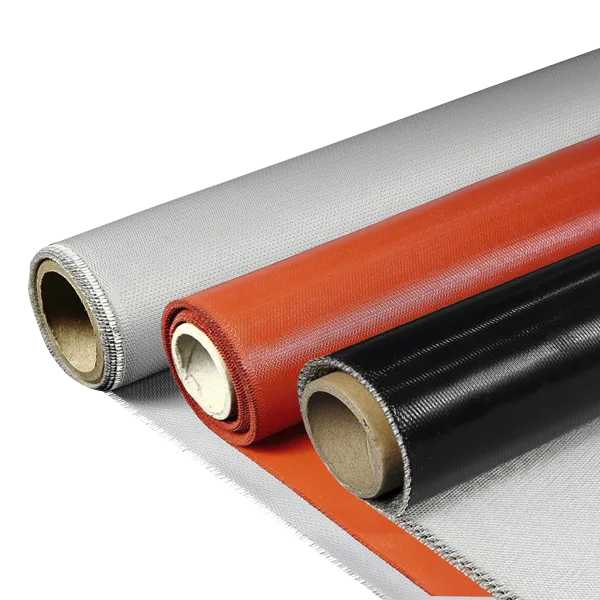
Performance Fabrics: Silicone coated fiberglass fabric, PU coated fiberglass fabric, aluminum foil laminated fiberglass fabric, acrylic coated fiberglass fabric, neoprene coated fiberglass fabric, among others.
High-Temperature Fabrics: Graphite coated fiberglass fabric, silicate calcium coated fiberglass fabric, metal oxide fiberglass fabric, and special high temperature finished fiberglass fabric.
PTFE is used to provide unique properties such as:
Chemical Resistance: PTFE-coated fiberglass is highly resistant to a wide range of chemicals, making it ideal for industrial applications.
Heat Resistance: PTFE can withstand high temperatures, providing insulation and protection in environments where heat is a concern.
Non-Stick Surface: The non-stick properties of PTFE make it suitable for applications that require easy release or cleaning.
By choosing Suntex fabrics, you are investing in quality materials that consider both performance standards and environmental impact, allowing you to make informed, responsible choices.
Tag: PFAS
Other FAQ / Blogs / News >>