Industry Insights: How the AI & Electronics Revolution is Reshaping the Supply Chain and Driving Upstream Fiberglass Yarn Costs
Read More >>
How to go to Suntex?
Why is Suntex a reliable supplier?
Besides competitive prices, what else can Suntex provide?
What are Suntex's products?
Looking for any help?
Fiberglass fabrics are the unsung heroes of many industries, offering remarkable strength and versatility in countless applications. However, mastering these materials goes beyond just knowing their benefits; it requires an understanding of how to handle and work with them safely and effectively. As you delve into the world of fiberglass, you’ll discover that proper techniques can significantly enhance your project outcomes while ensuring your safety and well-being. In this article, we’ll explore essential tips that will guide you through the intricacies of fiberglass fabrics, from the right protective gear to effective working methods. Whether you’re a seasoned professional or just starting, these insights ensure that you harness the full potential of fiberglass while minimizing risks. Join us as we equip you with the knowledge necessary to navigate this fascinating material with confidence and care.
Fiberglass fabrics are the unsung heroes of many industries, offering remarkable strength and versatility in countless applications. However, mastering these materials goes beyond just knowing their benefits; it requires an understanding of how to handle and work with them safely. As you delve into the world of fiberglass, you’ll discover that proper techniques can significantly enhance your project outcomes while ensuring your safety and well-being. In this article, we’ll explore essential tips that will guide you through the intricacies of fiberglass fabrics, from the right protective gear to effective working methods. Whether you’re a seasoned professional or just starting, these insights ensure that you harness the full potential of fiberglass while minimizing risks. Join us as we equip you with the knowledge necessary to navigate this fascinating material with confidence and care.
Fiberglass fabrics offer a multitude of benefits that make them indispensable in various industries. One of the primary advantages is their exceptional strength-to-weight ratio. This means that while fiberglass is incredibly strong, it remains lightweight, making it ideal for applications where reducing weight is crucial without compromising on structural integrity. This attribute is particularly beneficial in the aerospace, automotive, and marine industries, where every ounce counts.
Another significant benefit of fiberglass fabrics is their resistance to corrosion and environmental degradation. Unlike metals, fiberglass does not rust or corrode when exposed to moisture or harsh chemicals. This makes it an excellent choice for applications that require long-term durability in challenging environments, such as in the construction of boats, storage tanks, and pipelines. Additionally, fiberglass is non-conductive and has excellent insulating properties, which is why it is often used in electrical and thermal insulation applications.
Fiberglass fabrics are also versatile and can be tailored to meet specific requirements. They can be easily molded into complex shapes, making them suitable for a wide range of custom applications. The ability to combine fiberglass with different resin systems further enhances its versatility, allowing for the creation of composites that meet precise performance criteria. Whether you need a material that is flexible, rigid, or resistant to high temperatures, fiberglass fabrics can be engineered to deliver the desired properties, making them a go-to material for innovative and demanding projects.
Working with fiberglass fabrics requires a specific set of tools and equipment to ensure precision, safety, and efficiency. One of the most fundamental tools is a high-quality pair of shears or scissors designed specifically for cutting fiberglass. These tools are essential for achieving clean, precise cuts without fraying the fabric. Additionally, a rotary cutter can be highly effective for cutting large sections of fiberglass fabric quickly and accurately.
Utility Knife with Sharp Blades: A sharp utility knife is ideal for cutting fiberglass fabrics. Make sure to use fresh blades regularly for clean, precise cuts. Replace the blade when it starts to tear or fray the fabric instead of making a smooth cut.
Scissors: Heavy-duty fabric scissors with sharp, long blades can also be used for cutting fiberglass. They are suitable for cutting smaller pieces or making curved cuts. However, they may require more effort for thicker fiberglass materials compared to a utility knife.
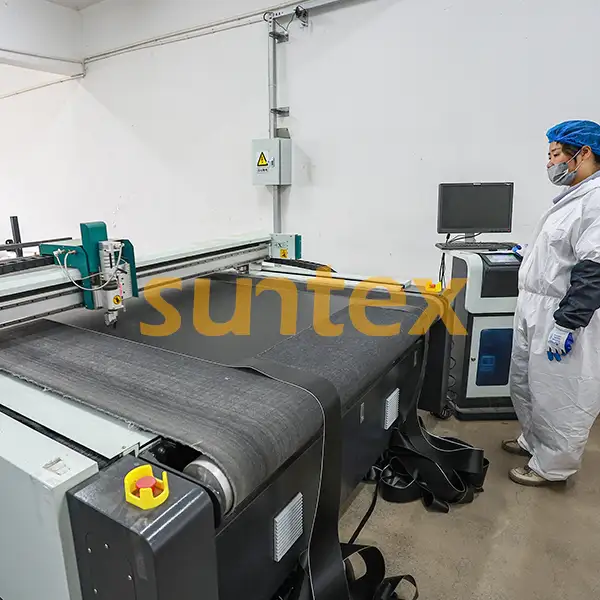
Cutting Table with Electric Cutting Machine: This setup combines a sturdy, large – surface cutting table with an electric cutting machine. The electric cutting machine typically features a powerful motor that drives a sharp cutting blade. The stable surface of the cutting table ensures that the fiberglass fabric remains flat and taut during the cutting process, reducing the risk of uneven cuts. The electric cutting machine can cut through multiple layers of fiberglass fabric with ease, making it suitable for medium – to large-scale production runs.
Automatic Cutting Machine with Precision Knife: This advanced piece of equipment is a game-changer for working with fiberglass. It is equipped with highly precise knife heads that can be programmed to cut fiberglass fabric into various shapes, including circles, squares, and complex irregular shapes. Users simply input a design file (such as a CAD drawing) into the control system of the automatic cutting table. The table’s software then translates the design into cutting instructions for the knife heads. The precision knife heads move with high accuracy across the surface of the fiberglass fabric, guided by the control system, ensuring consistent and accurate cuts every time. This type of cutting table is especially useful for mass-producing fiberglass components with specific shapes, improving both the efficiency and the precision of the cutting process.
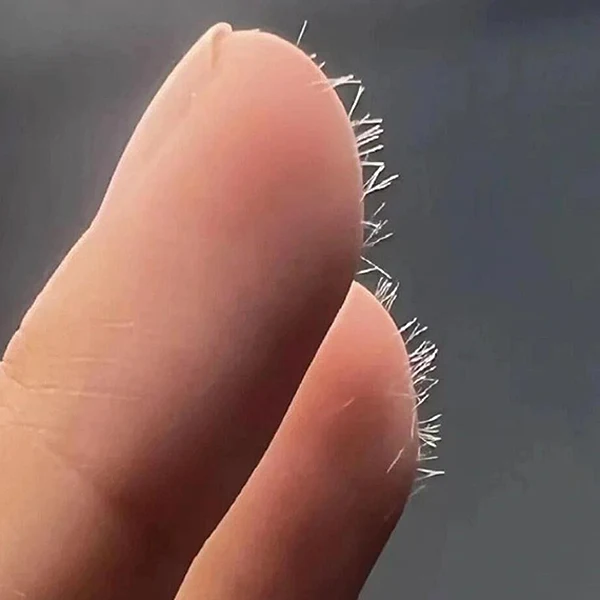
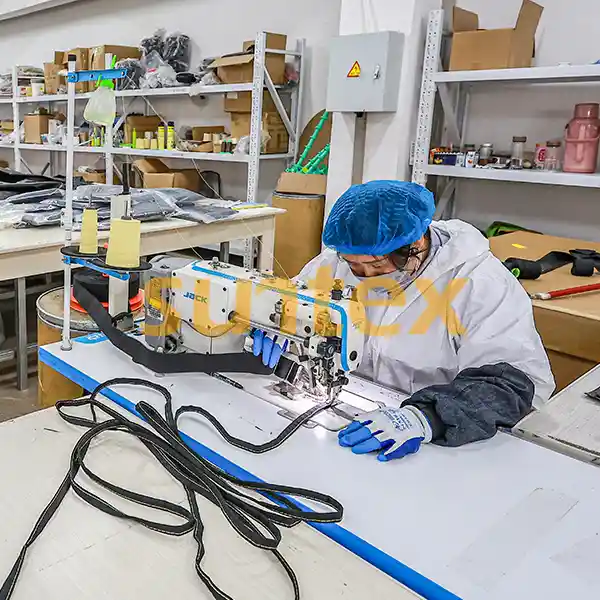
Safety should always be a top priority when working with fiberglass fabrics. The fine glass fibers can pose health risks if not handled properly, so it’s crucial to take preventive measures. First and foremost, always wear appropriate personal protective equipment (PPE) such as gloves, long sleeves, safety goggles, and a respirator mask. This gear will protect your skin, eyes, and respiratory system from irritation and potential injury.
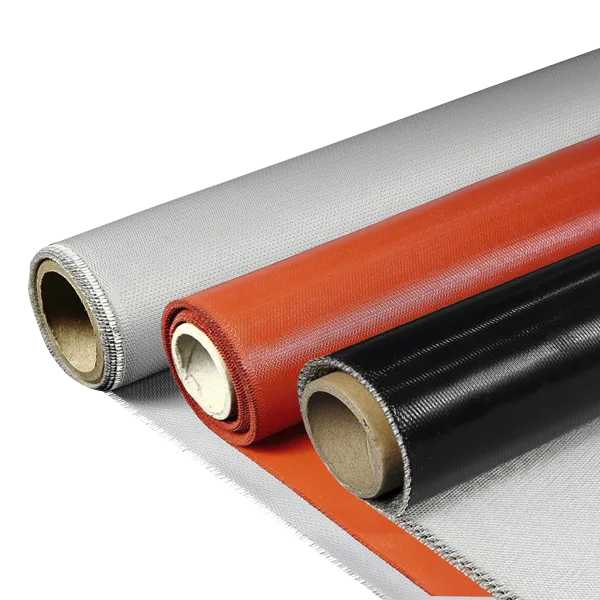
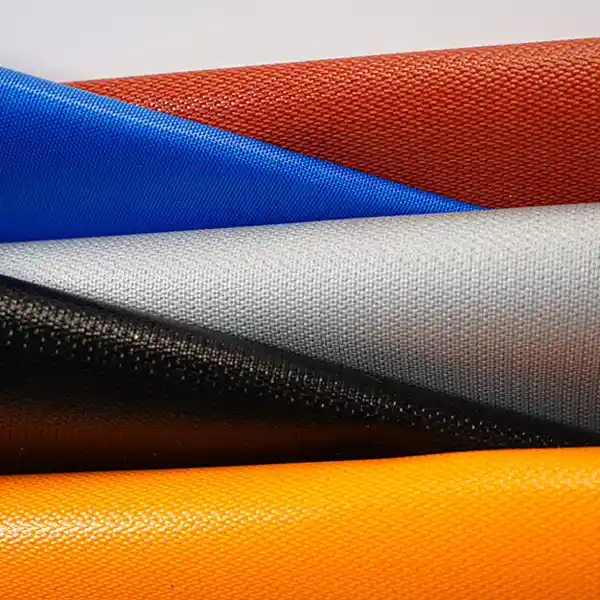
In general, although pure fiberglass fabrics are fire-resistant and high-temperature resistant, they have a significant drawback: during fabrication, they produce a lot of fiberglass debris, meaning fiberglass fabrics are not anti-fray. Therefore, unless fiberglass fabrics are required for specific application scenarios, we recommend coated/laminated/impregnated fiberglass fabrics more often. Fiberglass fabrics treated with these processes can significantly enhance their anti-fray ability, and different coatings can provide different characteristics, making fiberglass fabrics better able to meet the needs of various applications. Common coated fabrics include the following:
As a leading manufacturer of high-temperature industrial fabrics, Suntex Composite offers various types of fiberglass fabrics. Contact Jason now via [email protected] to get an immediate quote and delivery time.
Proper maintenance and care are essential for preserving the longevity and performance of fiberglass products. Regular inspections and cleaning can help identify and address potential issues before they become major problems. Use mild soap and water to clean fiberglass surfaces, avoiding abrasive cleaners that can damage the protective gel coat. For stubborn stains, a non-abrasive cleaner specifically designed for fiberglass can be used.
Protecting fiberglass products from UV exposure is also important, as prolonged exposure to sunlight can degrade the material over time. Applying a UV-resistant wax or gel coat can help shield the surface from harmful rays and maintain its appearance. If your fiberglass product is used in outdoor or marine environments, consider periodic reapplication of protective coatings to enhance durability and resistance to environmental factors.
Addressing minor repairs promptly can prevent further damage and extend the life of fiberglass products. Small cracks, chips, or scratches can be repaired using a fiberglass repair kit, which typically includes resin, hardener, and fiberglass cloth. Follow the instructions provided with the kit to ensure proper application and curing. By investing time and effort in regular maintenance and care, you can ensure that your fiberglass products remain in optimal condition and continue to perform reliably for years to come.
Mastering fiberglass fabrics involves more than just understanding their benefits; it requires a comprehensive approach to handling and working with these materials safely and effectively. From understanding the composition and advantages of fiberglass to equipping yourself with the right tools and safety gear, each step is crucial to achieving successful outcomes. By following the essential tips and techniques outlined in this article, you can navigate the complexities of fiberglass with confidence and skill.
Continuing your education and staying informed about the latest advancements in fiberglass technology can further enhance your expertise. Consider exploring additional resources such as industry publications, online courses, and professional workshops to deepen your knowledge and stay up-to-date with best practices. Engaging with a community of professionals and enthusiasts can also provide valuable insights and support as you continue to work with fiberglass.
Whether you’re a seasoned professional or new to the world of fiberglass, the key to success lies in a commitment to safety, precision, and continuous learning. By embracing these principles, you can harness the full potential of fiberglass fabrics and create high-quality, durable products that stand the test of time. We hope this article has provided you with the knowledge and inspiration needed to master fiberglass fabrics and achieve your project goals with confidence.
Tag: Fiberglass Fabrics
Other FAQ / Blogs / News >>