The Best JIS A-Class Welding Fire Blankets for Japanese Factory Safety
Read More >>
How to go to Suntex?
Why is Suntex a reliable supplier?
Besides competitive prices, what else can Suntex provide?
What are Suntex's products?
Looking for any help?
When it comes to home safety, understanding insulation materials is crucial, especially regarding fire resistance. Fiberglass insulation has long been a popular choice for its energy efficiency and soundproofing qualities. However, many homeowners wonder: Is fiberglass insulation truly fire resistant? In this article, we’ll delve into the science behind fiberglass insulation and uncover the truth about its safety and performance. We’ll explore how fiberglass is made, its reaction to heat and flames, and what this means for your home’s protection. By the end, you’ll have a clearer understanding of whether fiberglass insulation can provide the peace of mind you need in a fire emergency. Get ready to discover the facts that could influence your insulation choices and enhance your home’s safety.
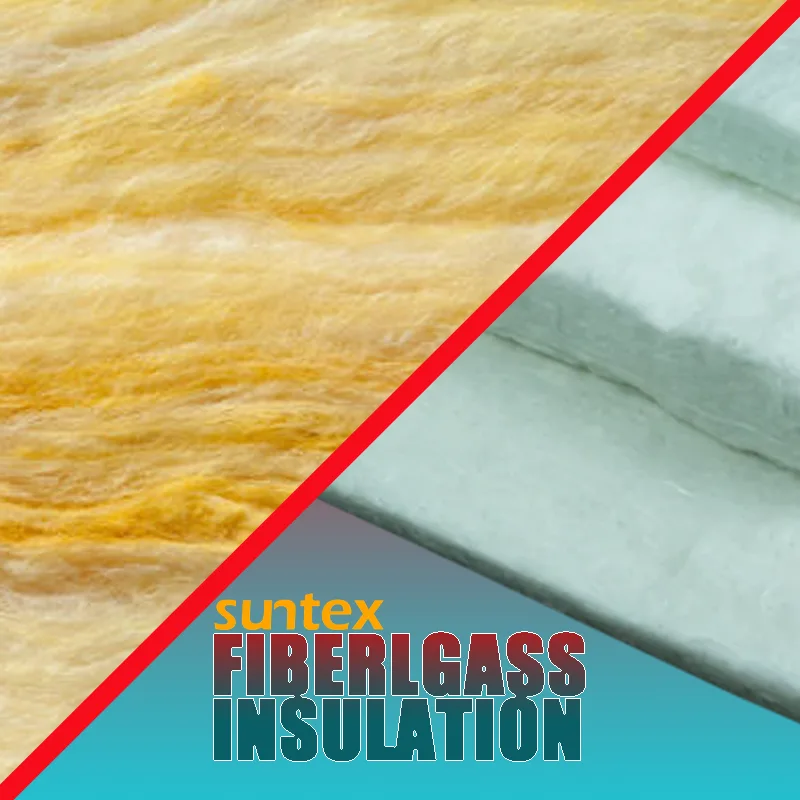
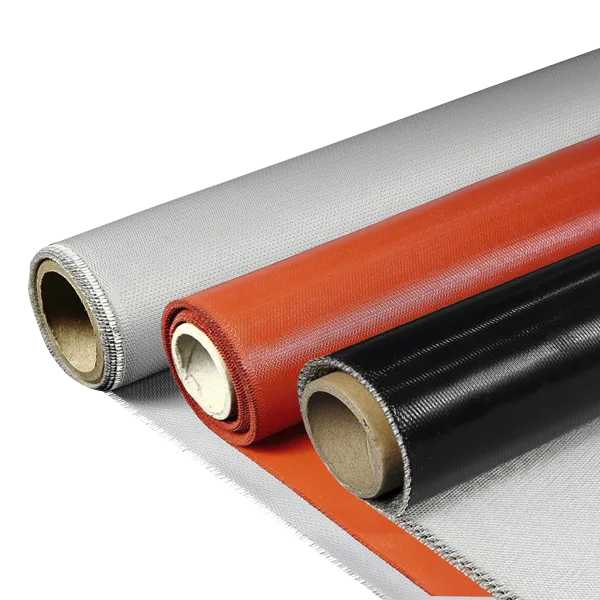
Fiberglass insulation is a versatile material crafted from fine glass fibers, designed to resist heat transfer and reduce sound transmission. Produced by melting glass (often recycled) and drawing it into thin, flexible fibers, it comes in various forms tailored to specific applications. Two prominent types are glass wool and fiberglass needled mat, each optimized for distinct environments—residential and industrial, respectively.
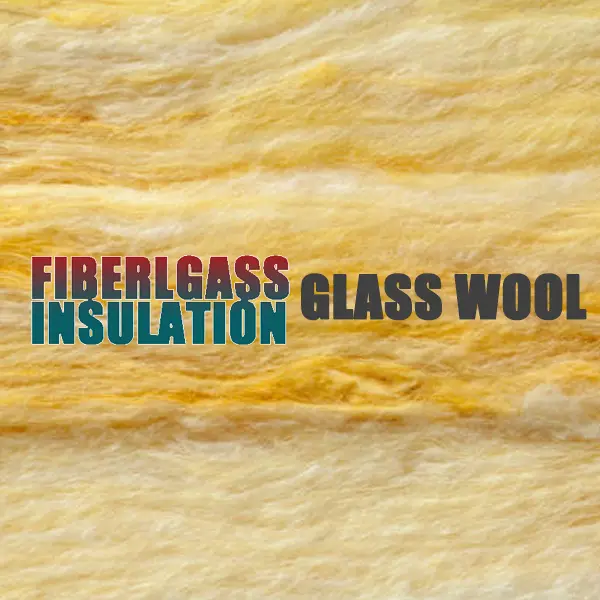
Glass wool is a fluffy, lightweight form of fiberglass insulation, characterized by its soft, wool-like texture. Manufactured by binding short glass fibers with a resin binder, it is typically available in batts, rolls, or loose-fill. Its primary role lies in residential and commercial buildings, where it excels at two key functions:
Its flexibility and ease of installation make it ideal for fitting into standard wall cavities, attic joists, and other residential gaps.
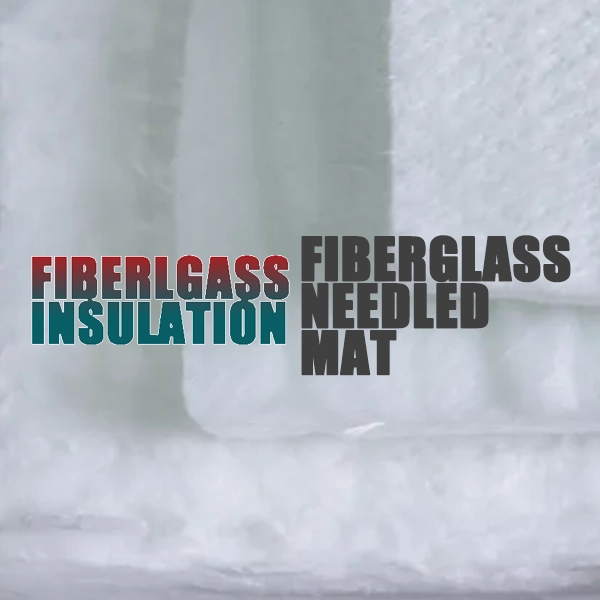
Fiberglass needled mat, in contrast, is a sturdier, more robust variant. Created by mechanically “needling” long glass fibers together—using barbed needles to entangle and interlock the fibers—it forms a dense, cohesive mat without relying heavily on chemical binders. This construction gives it enhanced durability and heat resistance, making it a staple in industrial settings.
Its applications include insulating high-temperature equipment such as boilers, furnaces, pipelines, and industrial ovens. It withstands extreme temperatures (often up to 500°C or higher) and resists wear from mechanical stress, ensuring long-term performance in harsh environments.
Both glass wool and fiberglass needled mat leverage the inherent properties of glass fibers:
| Aspect | Glass Wool | Fiberglass Needled Mat |
|---|---|---|
| Structure | Short fibers bound with resin; soft and fluffy. | Long fibers entangled via needling; dense and rigid. |
| Primary Use | Long fibers entangled via needling, dense and rigid. | Industrial (high-temperature equipment insulation). |
| Temperature Resistance | Moderate (up to ~250°C). | High (up to 500°C+). |
| Durability | Less resistant to mechanical stress. | Highly durable, withstands wear and tear. |
| Acoustic Performance | Excellent for sound absorption. | Less focused on sound, prioritizes heat resistance. |
Fire resistance in insulation materials is a critical factor in ensuring the safety of buildings and their occupants. Insulation materials are evaluated based on their ability to withstand high temperatures, resist ignition, and slow the spread of flames. The fire resistance of an insulation material is influenced by its composition, density, and the presence of fire-retardant additives. Understanding these aspects is essential for assessing the suitability of insulation materials in fire-prone areas.
Fiberglass insulation, made primarily of glass, has inherent fire-resistant properties due to the non-combustible nature of glass. Glass fibers do not burn and can withstand high temperatures without melting or degrading. However, the binding agents and other additives used in the production of fiberglass insulation can affect its fire resistance. Manufacturers often add fire-retardant chemicals to enhance the insulation’s ability to resist ignition and slow the spread of flames.
The fire resistance of insulation materials is typically measured using standardized tests, such as the ASTM E84 test, which evaluates the surface burning characteristics of building materials. These tests provide valuable data on the material’s flame spread index and smoke developed index, helping to determine its suitability for use in various applications. By understanding the science behind fire resistance, homeowners and builders can make informed decisions about the insulation materials they choose.
When exposed to fire conditions, fiberglass insulation exhibits several behaviors that are crucial for assessing its safety. Due to its glass composition, fiberglass insulation does not ignite easily and can withstand high temperatures without melting. This property helps contain fires and prevent them from spreading rapidly through a building. However, the performance of fiberglass insulation in fire conditions also depends on the materials used in its installation and the overall construction of the building.
In a fire scenario, the surface of fiberglass insulation may char and produce smoke, but it will not contribute significantly to the fuel load of the fire. The presence of fire-retardant chemicals further enhances its resistance to ignition and flame spread. These chemicals create a barrier that slows down the combustion process, giving occupants more time to evacuate and firefighters more time to control the fire. However, it is essential to note that while fiberglass insulation itself is fire-resistant, other components in the insulation system, such as vapor barriers and facing materials, may not be.
The performance of fiberglass insulation in fire conditions has been documented in various studies and fire tests. These tests have shown that fiberglass insulation can effectively slow the spread of flames and reduce heat transfer, contributing to the overall fire safety of a building. However, it is important for homeowners to understand that no insulation material is completely fireproof. Proper installation and adherence to building codes and safety standards are crucial for maximizing the fire resistance of any insulation system.
When considering insulation options, homeowners often compare fiberglass insulation to other types of insulation materials, such as cellulose, foam board, and spray foam. Each of these materials has unique properties and advantages, but their fire resistance can vary significantly. Understanding these differences is essential for making an informed choice that balances thermal performance and fire safety.
Cellulose insulation, made from recycled paper products, is treated with fire-retardant chemicals to enhance its fire resistance. While cellulose can provide good thermal and acoustic insulation, it is more combustible than fiberglass. In fire conditions, cellulose insulation can ignite and contribute to the spread of flames, although the fire-retardant treatments help slow this process. Compared to fiberglass, cellulose may produce more smoke and potentially more toxic fumes.
Foam board and spray foam insulation are made from plastic polymers, which can vary in their fire resistance. Some foam insulation products are treated with fire retardants and are rated for use in specific applications where fire resistance is a concern. However, in general, foam insulation can be more flammable than fiberglass and may produce more smoke and toxic gases when burned. The choice between fiberglass and foam insulation often depends on the specific fire safety requirements and the intended use of the insulation.
To ensure the safety and performance of insulation materials, industry standards and safety ratings play a crucial role. These standards are established by organizations such as ASTM International, Underwriters Laboratories (UL), and the National Fire Protection Association (NFPA). They provide guidelines and testing methods for evaluating the fire resistance and other properties of insulation materials, including fiberglass.
One of the key standards for assessing the fire resistance of fiberglass insulation is ASTM E84, also known as the “Standard Test Method for Surface Burning Characteristics of Building Materials.” This test measures the flame spread index and smoke developed index of the insulation material, providing a basis for comparing its fire performance to other materials. Fiberglass insulation typically performs well in this test, demonstrating low flame spread and smoke production.
In addition to ASTM E84, fiberglass insulation may also be tested according to other standards, such as UL 723 and NFPA 255, which provide further insights into its fire behavior. These standards help manufacturers ensure that their products meet the necessary safety requirements and provide homeowners with confidence in the insulation’s fire resistance. By adhering to these standards, manufacturers can produce insulation materials that contribute to a safer built environment.
Despite its widespread use and proven fire resistance, there are several misconceptions about fiberglass insulation and its safety in fire conditions. One common misconception is that fiberglass insulation is entirely fireproof. While fiberglass itself is non-combustible, this does not mean that it is impervious to fire. The material can still be damaged by high temperatures, and other components of the insulation system may be more susceptible to ignition.
Another misconception is that fiberglass insulation will completely prevent the spread of fire. While fiberglass can slow down the spread of flames and reduce heat transfer, it is not a substitute for other fire safety measures, such as fire-rated walls, fire doors, and sprinkler systems. Homeowners should not rely solely on insulation for fire protection but should implement a comprehensive fire safety strategy to ensure the safety of their property and occupants.
Some homeowners also believe that all fiberglass insulation products are created equal in terms of fire resistance. In reality, the fire performance of fiberglass insulation can vary depending on factors such as the density of the fibers, the presence of fire-retardant additives, and the quality of the installation. It is important to choose high-quality insulation products from reputable manufacturers and to follow best practices for installation to maximize fire safety.
Proper installation of fiberglass insulation is essential for maximizing its fire resistance and overall performance. Following best practices can help ensure that the insulation provides effective thermal and acoustic barriers while also enhancing fire safety. One of the key considerations in the installation process is to avoid gaps and voids, as these can compromise the insulation’s effectiveness and create pathways for fire to spread.
When installing fiberglass insulation, it is important to use appropriate protective gear, such as gloves, safety glasses, and a dust mask, to prevent irritation from the glass fibers. The insulation should be cut to fit snugly between studs, joists, and other structural elements, ensuring complete coverage without compression. Compressed insulation can reduce its thermal efficiency and may affect its fire resistance.
In addition to proper installation techniques, homeowners should also consider the use of fire-rated materials in conjunction with fiberglass insulation. For example, installing fire-rated drywall or using fire-resistant barriers around electrical outlets and fixtures can enhance the overall fire safety of the building. Regular inspections and maintenance of the insulation system can also help identify and address any issues that may affect its performance.
Other FAQ / Blogs / News >>