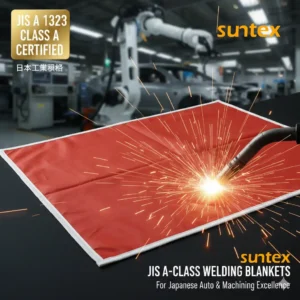
The Best JIS A-Class Welding Fire Blankets for Japanese Factory Safety
Read More >>
How to go to Suntex?
Why is Suntex a reliable supplier?
Besides competitive prices, what else can Suntex provide?
What are Suntex's products?
Looking for any help?
Welding blankets are essential safety materials in any welding environment. They protect workers, equipment, and nearby surfaces from sparks, spatter, and high heat. Whether you’re in metal fabrication, automotive repair, shipbuilding, or industrial maintenance, choosing the right welding blanket directly affects workplace safety and efficiency.
In this guide, we list the Top 5 Welding Blankets across seven practical categories—sales volume, coatings, materials, applications, size, thermal rating, and trusted suppliers—to help you find the perfect option for your welding needs.
Welding blanket demand varies by region due to different manufacturing environments, safety standards, and application habits. Below is a detailed look at the Top 5 Welding Blankets by Sales Volume in the EU, Americas, and Asia, along with their specifications, performance, and typical use cases.


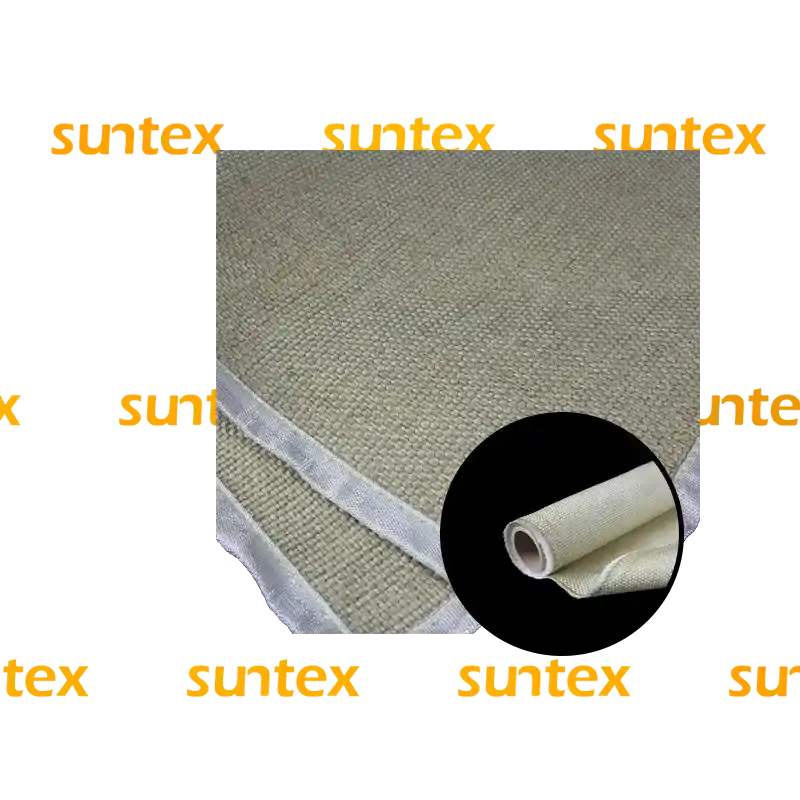
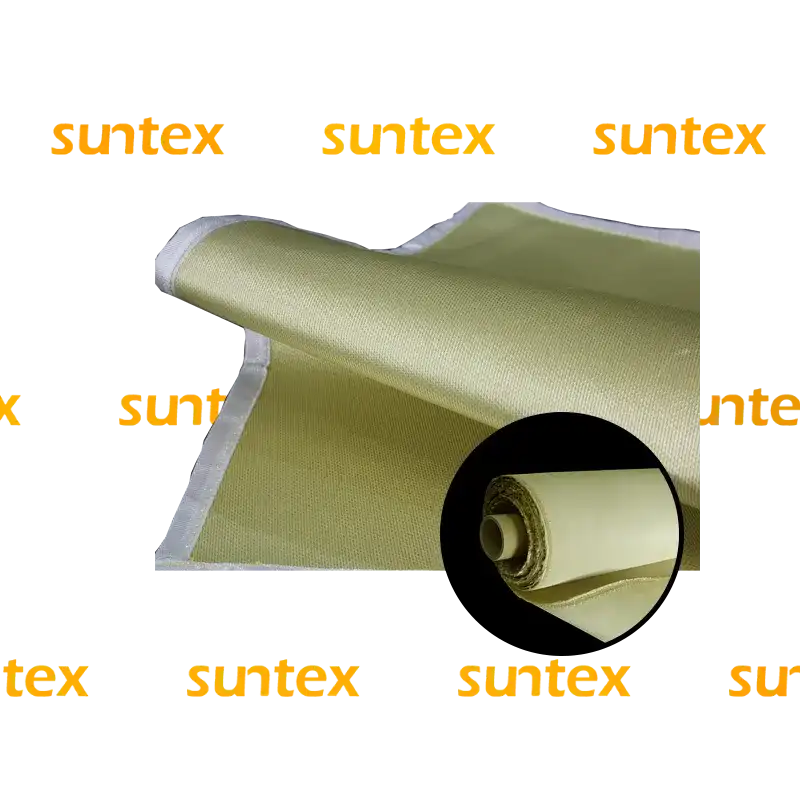
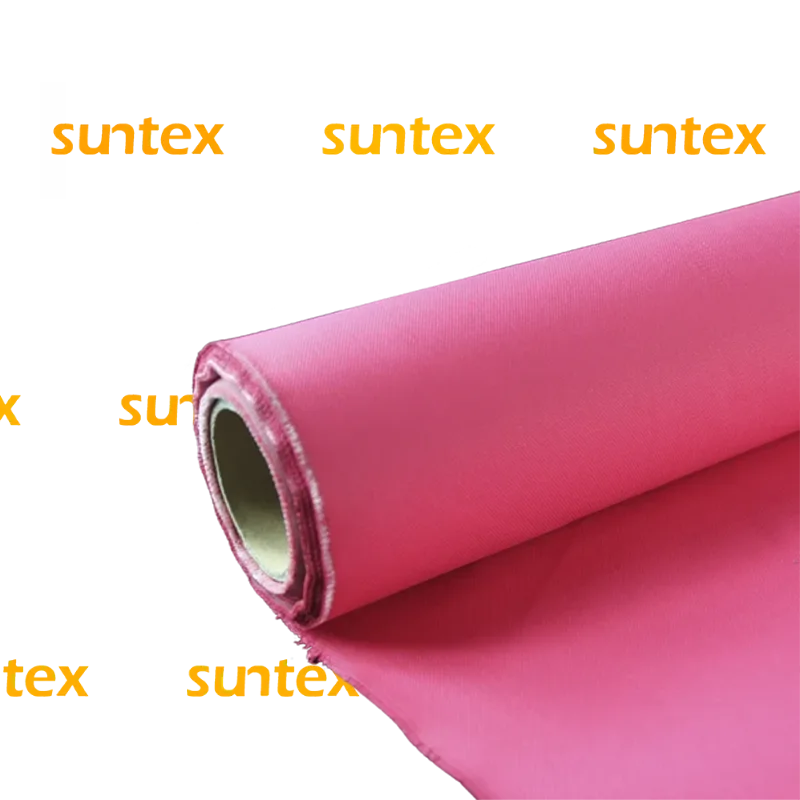
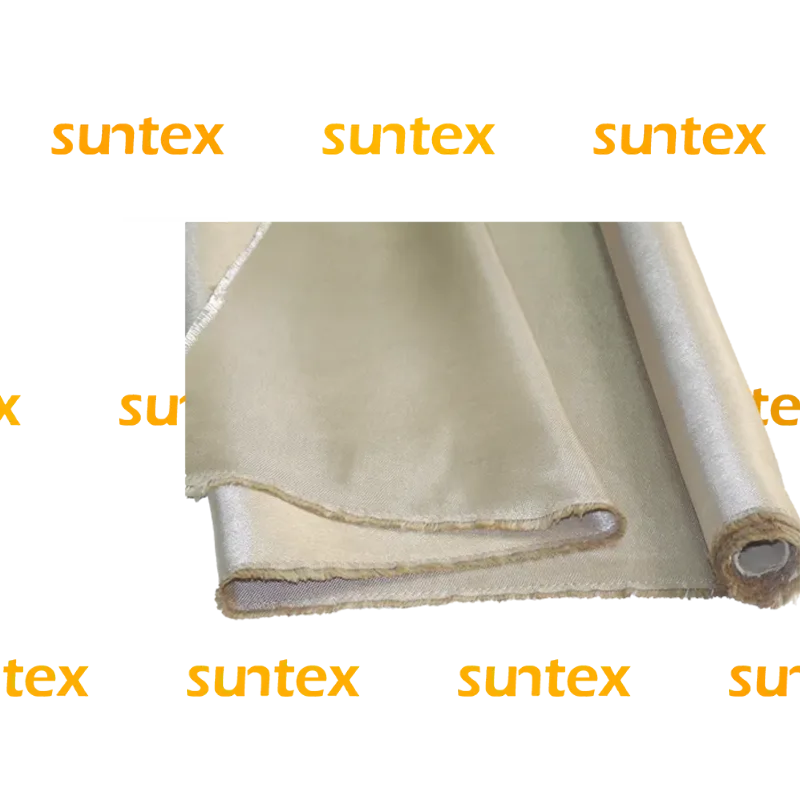
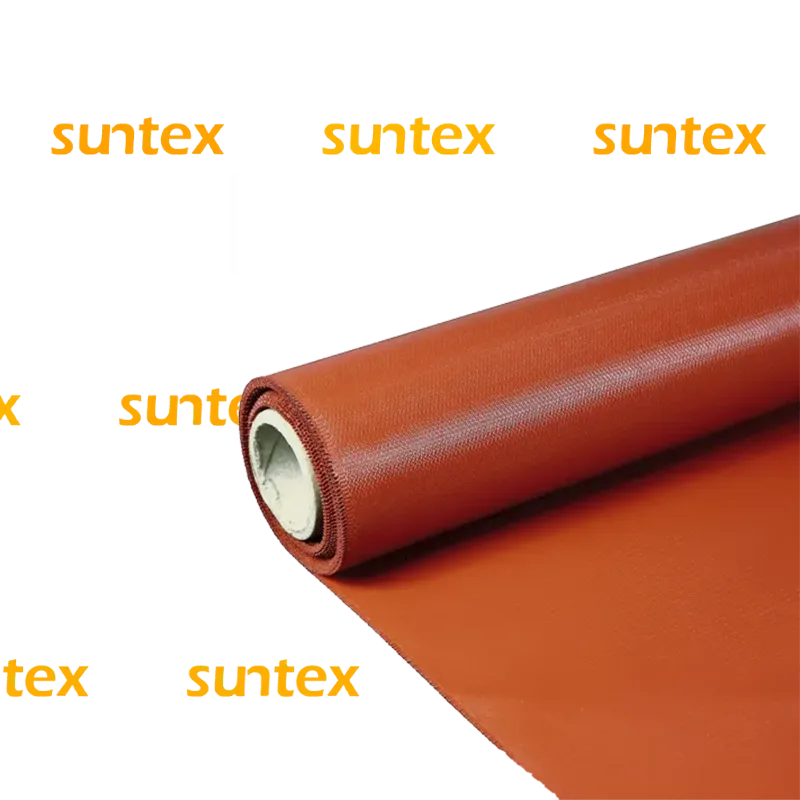
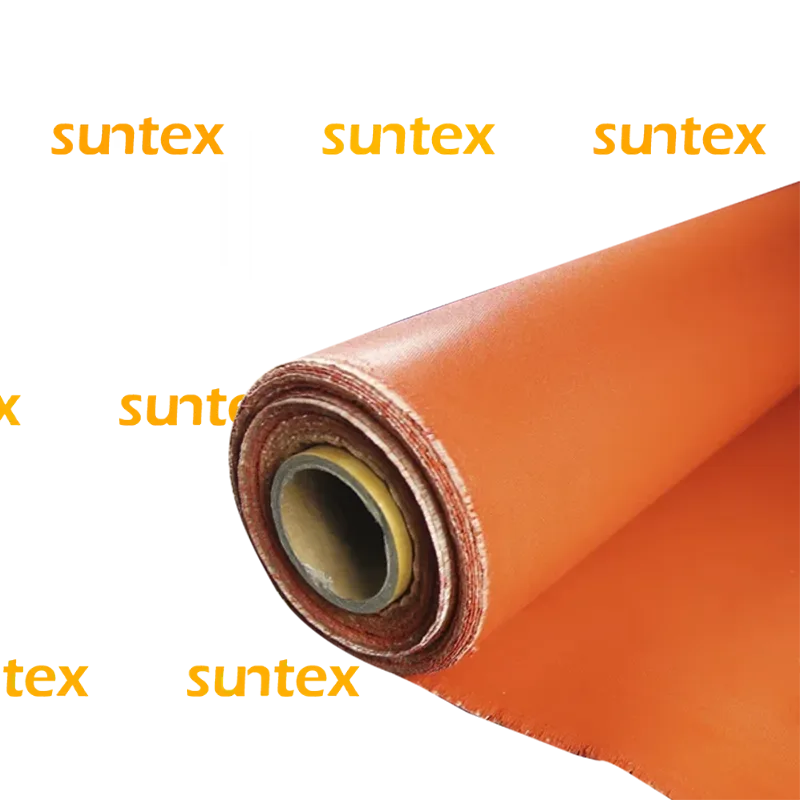
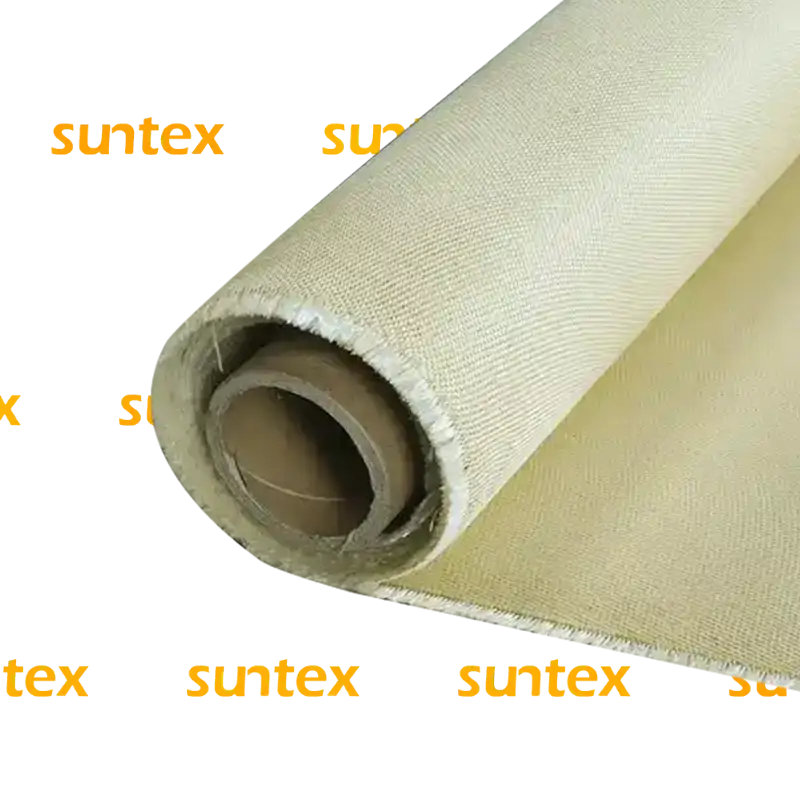

The coating of a welding blanket is not just a “surface treatment”—it directly determines the blanket’s core performance, including heat resistance, protection scope, durability, and even adaptability to different working environments. Different coatings are engineered to target specific welding pain points, such as spark splash, high-temperature erosion, moisture interference, or equipment scratch risks. Below is a detailed breakdown of the top 5 welding blankets classified by function and coatings, helping you match the right product to your welding scenario.
Acrylic coating is a cost-efficient solution tailored for light-duty welding needs, as it forms a thin, flexible protective layer on the base fiberglass fabric (the most common base material for this type). Its core advantage lies in balancing basic protection and usability—while it can’t withstand extremely high temperatures or heavy molten metal impact, it excels at blocking small sparks and spatter generated during low-intensity welding.
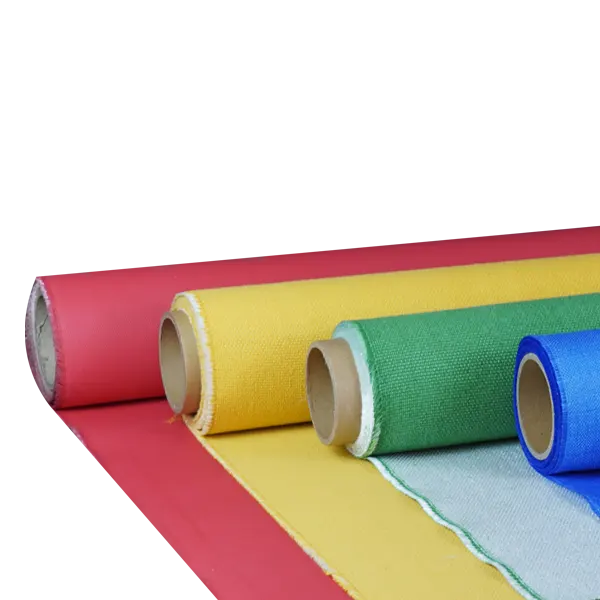
In terms of application scenarios, it’s a perfect fit for MIG welding (especially thin-plate MIG welding), small metal repairs, DIY workshop projects, and even auxiliary work like grinding and polishing. Welders love it for its flexibility—it can be easily folded, rolled up, or cut into custom sizes to cover small workpieces or narrow spaces without cracking. Additionally, the acrylic coating reduces the “itchy feeling” of raw fiberglass, making it more comfortable to handle during installation and storage. For small workshops, home garages, or hobbyists who don’t need heavy-duty protection, this type of blanket offers unbeatable cost-effectiveness, avoiding overspending on high-end coatings.
Silicone coating is one of the most widely used options in the welding industry, and its popularity stems from its “multi-functional” properties. The silicone layer forms a dense, smooth surface on the base fabric—if the base is fiberglass, it typically withstands continuous temperatures of 550°C and short-term peaks of 600°C; if the base is silica fabric, it can withstand continuous temperatures of 1000°C and short-term peaks of 1200°C. Besides, it adds waterproof and oil-resistant capabilities—spilled coolant, lubricating oil, or even rainwater can be wiped off easily, avoiding fabric soaking and mildew.
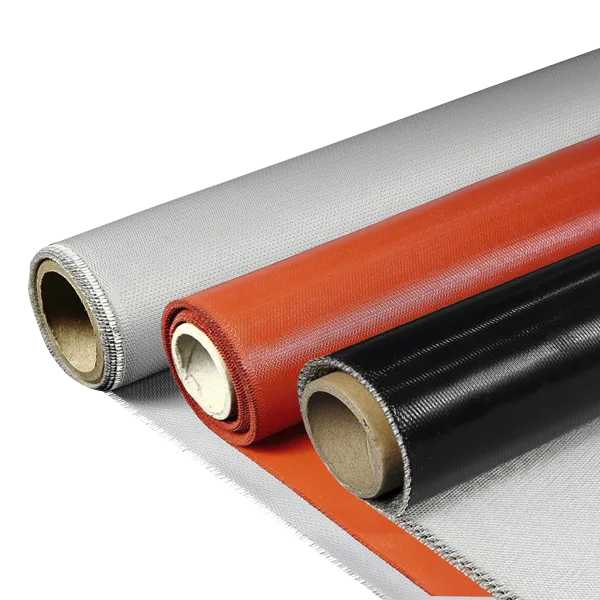
This blanket shines in workshop protection: it can be laid on the ground to shield floors from spark damage, draped over equipment to prevent spatter from sticking to machine surfaces, or used as a temporary partition to isolate welding areas. It’s also highly durable—silicone coating resists wear and tear from frequent folding and dragging, extending the product’s service life. Whether it’s a professional auto repair shop, a metal fabrication workshop, or an outdoor on-site repair job, the silicone-coated fiberglass blanket delivers reliable performance, earning it the title of “workshop all-rounder.”
Vermiculite, a naturally heat-resistant mineral, becomes a “super shield” when coated on different base fabrics, with temperature resistance varying by base material. For vermiculite-coated fiberglass fabric, it withstands a continuous working temperature of 700°C and a short-term peak temperature of 1000°C; for higher-demand scenarios, vermiculite-coated silica fabric can reach a continuous working temperature of 1000°C and a short-term peak temperature of 1300°C. This makes vermiculite-coated blankets far superior to acrylic or silicone coatings in high-temperature stability. More importantly, vermiculite’s porous structure has a strong adsorption capacity for molten metal spatter—sparks and small molten droplets will solidify and adhere to the surface without penetrating the fabric, ensuring zero fire risks.
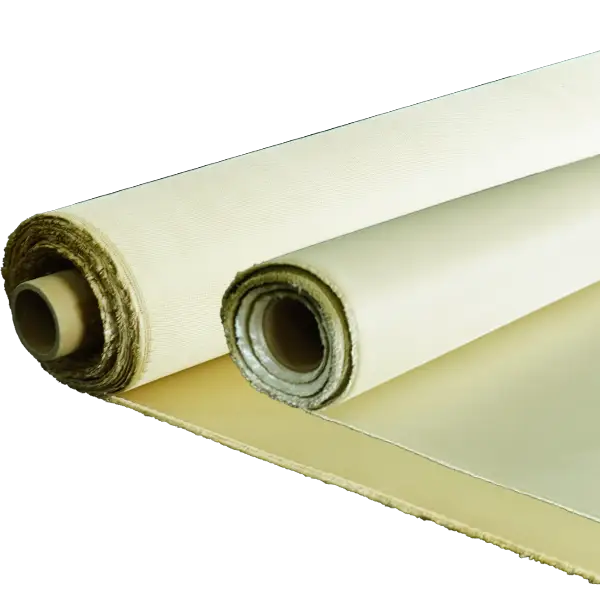
It’s particularly outstanding in vertical, curtain-like applications: when hung as a welding curtain to divide work areas, its rigid yet flexible texture maintains a straight shape without sagging, effectively blocking radiant heat and spatter from spreading to adjacent workstations. This makes it a staple in medium-to-heavy welding scenarios such as structural steel welding, boiler maintenance, and foundry auxiliary work. Note that due to the dense vermiculite coating, it’s slightly heavier than other blankets but still easy to hang and adjust.
Unlike other coatings that “resist” heat, aluminized coating uses a “reflective” mechanism to protect—its bright aluminum layer can reflect up to 90% of radiant heat, making it the first choice for scenarios where temperature-sensitive surfaces or equipment need protection. The base fiberglass fabric provides inherent heat resistance (withstanding 550-700°C), while the aluminized layer adds a second layer of defense by bouncing back radiant heat, avoiding indirect heating of nearby components.
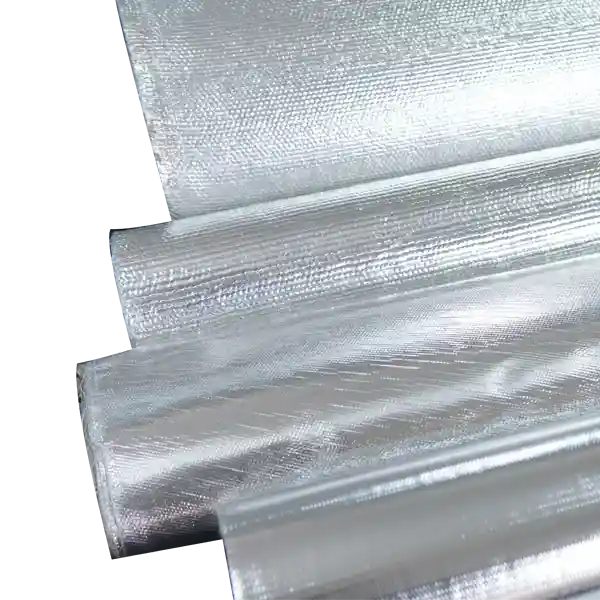
Common application scenarios include foundries (protecting control panels and pipelines near molten metal tanks), aerospace component welding (shielding precision sensors and electronic parts), and high-temperature heat treatment workshops. It’s also widely used in outdoor welding in hot environments, as it can reduce the impact of ambient high temperatures on the welding area. The aluminized surface is smooth and easy to clean, but it should be avoided from sharp scratches to prevent damage to the reflective layer.
Graphite and neoprene coatings are designed for “high-wear, high-adhesion” welding scenarios, with each having unique strengths. Graphite coating offers excellent high-temperature abrasion resistance and anti-sticking properties—molten metal will not stick to the smooth graphite surface, and it can withstand continuous temperatures of 700-900°C, making it suitable for high-frequency welding operations such as pipeline welding and batch part fabrication.
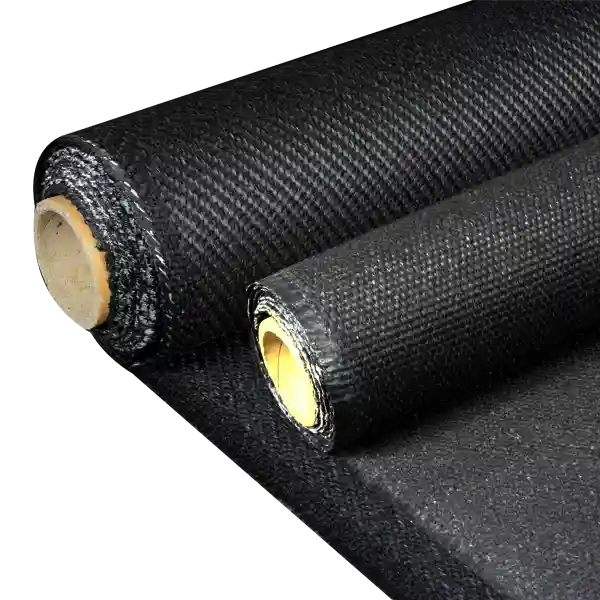
Neoprene coating (a synthetic rubber material) excels in oil resistance and mechanical abrasion resistance—it’s tough enough to withstand friction from heavy equipment and resist corrosion from engine oil, diesel, and other chemicals. This makes it ideal for automotive manufacturing workshops (protecting vehicle bodies during welding) and heavy industrial sites (covering large machinery parts). Both coatings enhance the blanket’s durability significantly—their service life is 2-3 times that of ordinary uncoated fiberglass blankets in high-frequency use scenarios. They are slightly more expensive, but the cost is fully offset by reduced replacement frequency and lower maintenance costs.
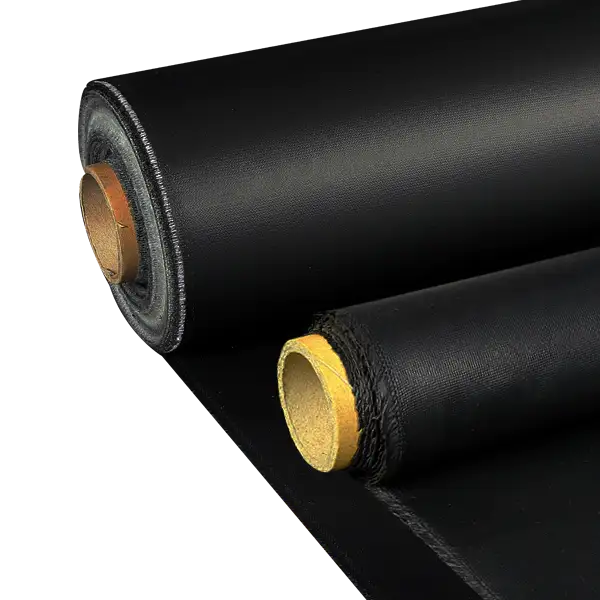
When choosing a coated welding blanket, prioritize “coating + base material matching” over a single performance indicator. For example, light-duty scenarios can choose acrylic-coated fiberglass for cost savings; high-temperature vertical applications require vermiculite-coated fiberglass; and precision protection needs aluminized fiberglass. Matching the coating to your specific needs ensures both safety and cost-effectiveness.
The base fabric of a welding blanket is the “foundation” of its performance—it directly determines critical attributes such as maximum temperature resistance, flexibility, tear strength, abrasion resistance, and even usability (like whether it causes skin irritation). Choosing the right base material is the first step to ensuring welding safety, as a mismatched fabric can lead to protection failure, equipment damage, or even fire hazards. Below is a detailed analysis of the top 5 most widely used welding blanket materials, helping you clarify their characteristics and application boundaries.
Fiberglass is the undisputed “king of popularity” in the welding blanket market, accounting for over 60% of global sales. Its dominance stems from an unbeatable balance of performance, cost, and versatility. Made from molten glass drawn into fine fibers and woven into fabric, fiberglass inherently resists temperatures between 550°C and 700°C (continuous use), with short-term peak resistance up to 800°C—more than enough to handle most common welding processes like MIG, TIG, stick welding, and routine maintenance work.
In terms of usability, fiberglass blankets are lightweight (typically 400-1000gsm) and moderately flexible, making them easy to fold, drape over equipment, or cut into custom sizes without cracking. They’re also cost-effective—priced 30-50% lower than silica or ceramic fiber alternatives, making them ideal for small workshops, DIY enthusiasts, and large-scale industrial sites that need bulk purchases. A key advantage is their compatibility with various coatings (acrylic, silicone, vermiculite), which can enhance specific properties like water resistance or high-temperature performance. Note that raw fiberglass may cause slight skin irritation, so choosing coated versions or wearing gloves during handling is recommended.
Typical application scenarios include: general manufacturing workshops, building maintenance welding, DIY metalworking, and as a base layer for composite protection. It’s also the preferred material for disposable or temporary welding barriers due to its affordable cost.
Silica fabric (also known as high-silica fabric) is a “high-temperature warrior” made from silica fibers with a SiO₂ content of 96% or higher. Unlike fiberglass, its molecular structure is highly stable under extreme heat, enabling continuous use at temperatures ranging from 1000°C to 1200°C and short-term resistance to 1300°C-1500°C. This makes it the go-to choice for scenarios where fiberglass falls short, such as heavy-duty welding, plasma cutting, grinding of thick metal plates, and even auxiliary protection near molten metal.
Beyond heat resistance, silica fabric offers impressive durability: it has high tensile strength, resists chemical corrosion (except for strong alkalis), and maintains flexibility even after repeated exposure to high temperatures—unlike some rigid high-temperature materials that become brittle over time. It’s also compatible with high-performance coatings like vermiculite or silicone, which further enhance spatter resistance and waterproofing. The main tradeoff is cost—it’s 2-3 times more expensive than fiberglass, so it’s usually reserved for high-demand scenarios rather than general use.
Typical application scenarios include: heavy industrial welding (structural steel, shipbuilding), plasma cutting of thick metal, foundry auxiliary work, high-temperature pipeline maintenance, and protection near furnaces or kilns. It’s also widely used in aerospace and automotive manufacturing for welding high-temperature alloy components.
Ceramic fiber (also called alumina-silicate fiber) is engineered for “extreme heat” environments, with continuous temperature resistance exceeding 1200°C—high-grade models can even withstand 1600°C-1800°C. It’s made from molten alumina and silica mixed in precise proportions, drawn into fibers, and woven or pressed into blankets. Its core advantage is not just high heat resistance, but also excellent thermal insulation performance—ceramic fiber blankets can reduce heat transfer by up to 90%, making them dual-purpose for protection and insulation.
However, ceramic fiber blankets have unique characteristics that affect usability and safety: first, they’re made of short fibers, which leads to relatively low tensile strength and a high tendency to shed small fibers—these loose fibers can be inhaled or adhere to skin, posing potential health risks (such as respiratory irritation or skin discomfort) with long-term unprotected exposure. Second, they’re relatively rigid compared to fiberglass or silica, so they’re better suited for fixed scenarios (like furnace insulation) than flexible draping over equipment. Therefore, for welding applications, they’re often paired with a dense protective outer layer (like fiberglass cloth) to prevent fiber shedding, and operators must wear dust masks and gloves during installation and maintenance. Due to their extreme heat resistance, insulation properties, and specific safety requirements, they’re a staple in industries where high temperatures are constant rather than intermittent.
Typical application scenarios include: foundry furnace insulation, high-temperature kiln lining, molten metal ladle protection, thermal processing workshops, and welding of superalloy materials (e.g., in power generation or aerospace). They’re also used as emergency heat barriers in industrial settings to contain high-temperature leaks.
Carbon felt is a premium material designed for “surface-sensitive” protection scenarios, made from carbon fibers processed into a dense, soft felt-like fabric. Unlike other materials that prioritize heat resistance, carbon felt’s standout feature is its ultra-smooth, non-abrasive surface—even when in direct contact with delicate surfaces like painted car bodies, glass panels, or precision machinery, it won’t cause scratches, scuffs, or paint damage.
In terms of heat resistance, it performs well for medium-to-high temperatures: continuous use at 600°C-800°C and short-term resistance to 1000°C, which is sufficient for most precision welding tasks. It also has excellent thermal insulation and sound absorption properties, reducing both heat transfer and welding noise—an added bonus for workshops focused on working environment quality. Carbon felt is lightweight and flexible, making it easy to shape around irregularly shaped precision components. The main limitation is its high cost (5-10 times that of fiberglass) and relatively low abrasion resistance compared to leather or coated fiberglass, so it’s reserved for high-value surface protection.
Typical application scenarios include: automotive refinishing (protecting painted surfaces during welding repairs), aerospace component welding (shielding precision parts), glass manufacturing (protecting glass panels near welding areas), and electronic equipment maintenance (safeguarding circuit boards or sensors during metalwork).
Leather (usually cowhide or split leather) is a traditional yet reliable material for welding blankets, valued for its unmatched combination of abrasion resistance and molten metal splash protection. Processed through tanning and flame-retardant treatments, leather blankets can withstand continuous temperatures of 300°C-500°C—lower than fiberglass or silica, but their dense fibrous structure acts as a “physical barrier” that stops molten metal droplets from penetrating, even when facing high-temperature molten droplets. Another key advantage is durability: a high-quality leather welding blanket can last 5-10 years with proper care (regular cleaning and drying), outperforming most fabric alternatives in high-abrasion environments. It’s also flexible and moldable, conforming well to the shape of car bodies, machinery casings, or pipes—making it a favorite in automotive repair shops. However, leather has limitations: it’s heavy(a standard 1m×1.2m blanket weighs 2-3kg), absorbs water easily (which reduces heat resistance if wet), and is more expensive than fiberglass (though cheaper than carbon felt or silica).
Typical application scenarios include: automotive repair (protecting car bodies during welding), mechanical workshops (covering machinery parts), pipeline maintenance (wrapping around pipes), and heavy-equipment repair (shielding engine components). It’s also widely used in manual welding scenarios where welders need to hold the blanket to protect specific areas.
When choosing a welding blanket by material, follow the “3-step principle”: 1. Confirm the maximum temperature of your welding process (e.g., MIG welding needs 550°C+, foundry work needs 1200°C+); 2. Clarify the protection target (e.g., delicate surfaces need carbon felt, high abrasion needs leather); 3. Balance budget and durability (e.g., bulk general use chooses fiberglass, high-temperature precision use chooses silica). Never sacrifice temperature resistance for cost—safety always comes first.
The size of a welding blanket directly determines its coverage range, maneuverability, and suitability for different scenarios. Choosing the wrong size can lead to two major problems: undersized blankets leave gaps in protection (exposing workers or equipment to sparks), while oversized ones are cumbersome to handle and waste resources. To solve this, we’ve sorted the top 5 most widely used sizes across industries, marked with both imperial (‘) and metric (meter) units, and detailed their characteristics, application scenarios, and selection tips.
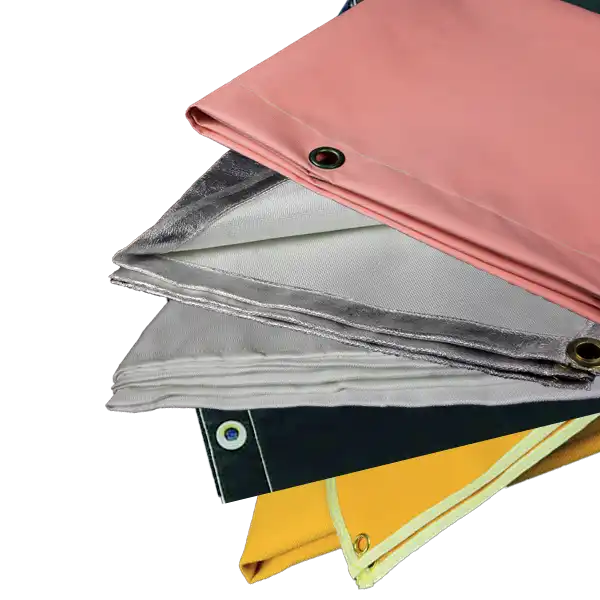
The 3’×3′ or 1m×1m size is the “compact specialist” in welding blankets, designed for localized, small-scale protection. Its core advantage is ultra-high maneuverability—weighing only 0.5-1kg (depending on material), it can be easily held by one hand, draped over small workpieces, or placed precisely on the area around the welding spot. Unlike larger blankets that require two people to position, this size is a one-person operation, making it ideal for spot welding, small part repairs, and precision welding tasks.
In terms of material matching, it’s usually made of lightweight fiberglass (400-600gsm) or coated fiberglass (acrylic or silicone), which balances protection and portability. It’s also cost-effective—priced at only $10-$30 per piece (or equivalent in other currencies), making it a must-have for DIY workshops, home garages, and repair shops that handle small metal parts. A common use case is protecting nearby components during electronic equipment bracket welding or jewelry metalworking, where large blankets would be overkill.
Typical application scenarios: Spot welding of small metal parts, repair of household metal products, precision welding of electronic component brackets, and temporary protection of small equipment (e.g., sensors, valves) during welding. It’s also widely used as a “supplementary blanket” to fill gaps when using larger blankets.
The 4’×6′ or 1.5m×2m size is the “best-selling king” across industries, favored for its perfect balance of coverage and usability. It covers an area of about 3㎡, which is just enough to protect a standard workbench (usually 1.2m×0.8m) and the surrounding 0.3-0.5m safety zone, without being too large to handle. Most medium-sized workshops purchase this size in bulk as their primary protection tool.
Its versatility shines in material compatibility: it’s available in fiberglass (for general use), silica (for high-temperature small-batch work), and even leather (for automotive spot repairs). The weight ranges from 1.5-3kg, which is easy to fold and store when not in use, and can be draped over medium-sized equipment (e.g., small lathes, welding machines) for all-around protection. For small and medium enterprises, this size avoids the waste of oversized blankets and the risk of undersized ones, making it the most cost-effective choice.
Typical application scenarios: Medium-sized workshop workbenches, home garage DIY welding, automotive body small-area repair welding, maintenance of agricultural machinery parts, and protection of medium-sized equipment (e.g., pumps, motors) during on-site welding. It’s also the preferred size for mobile welding teams due to its easy portability in toolboxes.
The 6’×6′ or 2m×2m size is the “standard configuration” for professional welding work areas, covering an area of about 4㎡. It’s designed to match the size of most fixed welding stations (1.5m×1.5m), providing full coverage for the workbench, welding machine base, and the surrounding floor area—eliminating the need for multiple small blankets to splice (which often leaves gaps).
This size is usually made of more durable materials, such as heavy-duty fiberglass (800-1000gsm), silicone-coated fiberglass, or even vermiculite-coated silica (for high-temperature standard stations). It has good weight-bearing capacity—when laid on the floor, it won’t shift easily during welding operations, and can withstand repeated stepping and dragging. Many factories print safety warning lines on the edges of this size blanket to clearly mark the welding safety area, enhancing on-site management.
Typical application scenarios: Fixed welding stations in manufacturing workshops, standard welding areas in auto repair shops, metal fabrication of medium-sized components (e.g., steel frames, brackets), and indoor maintenance welding of industrial equipment. It’s also the mandatory size for small welding training institutions to ensure trainee safety.
The 8’×10′ or 2m×3m size is the “large-area shield” for industrial scenarios, covering an area of about 6㎡—enough to protect large workpieces, multiple welding stations, or entire sections of equipment. Its core value is reducing the number of blankets used for large-scale operations, avoiding gaps between spliced blankets, and improving work efficiency.
Due to its large size, it’s usually made of heavy-duty materials like 1000-1200gsm fiberglass, carbon fiber composite, or leather (for automotive workshops). It’s often equipped with reinforced eyelets at the corners, making it easy to hang as a temporary welding curtain or fix to the ground with weights to prevent wind displacement (critical for outdoor or well-ventilated workshops). The weight ranges from 5-10kg, so it’s recommended to have two people cooperate when moving or laying it, but it’s still more efficient than using three 4’×6′ blankets.
Typical application scenarios: Automotive body assembly welding (covering the entire vehicle body), fabrication yards for large steel structures (e.g., door frames, steel beams), outdoor on-site welding (e.g., pipeline maintenance, building steel structure installation), and protection of large equipment (e.g., generators, compressors) during maintenance.
10’×10′ or 3m×3m and larger sizes (e.g., 10’×12′ / 3m×4m, 12’×15′ / 4m×5m) are the “industrial giants” designed for extremely large-scale operations, covering areas from 9㎡ to over 20㎡. These sizes are custom-manufactured in most cases, tailored to the dimensions of welding booths, ship segments, or large machinery.
Materials for these sizes are top-tier: high-temperature silica fabric (for foundries), ceramic fiber composite (for furnace surroundings), or multi-layered fiberglass-leather composites (for shipyards). They often come with professional accessories, such as fire-resistant ropes for fixing, heat-insulating linings for enhanced protection, and rolling mechanisms for easy storage (since folding large blankets is cumbersome). The weight can exceed 15kg, so mechanical lifting equipment is sometimes used for positioning in heavy-industrial settings.
Typical application scenarios: Industrial welding booths (full enclosure protection), shipyard hull segment welding, large-scale boiler maintenance, foundry molten metal transfer area protection, and welding of oversized machinery (e.g., excavator arms, crane components). For these scenarios, undersized blankets simply can’t provide comprehensive protection, making large-size blankets a necessary investment.
Use the “1.2x Coverage Principle”—choose a blanket size that is 1.2 times the area of the welding work area. For example, a 1m×1m workbench needs a 1.2m×1.2m blanket to cover the surrounding safety zone. Also, consider storage and portability: if you need to carry it to different job sites, prioritize sizes under 6’×6′ or 2m×2m; for fixed stations, larger sizes are more efficient.
Temperature resistance is the most critical factor when selecting a welding blanket. Different welding and cutting processes generate drastically different heat and molten metal splash levels. Below is a detailed breakdown of the top 5 thermal rating categories, including typical blanket materials, real-use applications, and recommended product types.
Typical Material:
Best For:
Characteristics:
Common Examples:
HT800 fiberglass, 16 oz acrylic-coated fiberglass
Typical Material:
Best For:
Characteristics:
Common Examples:
Red silicone-coated 17–32 oz fiberglass, graphite-coated fiberglass (e.g., Suntex-5002)
Typical Material:
Best For:
Characteristics:
Common Examples:
Vermiculite-coated fiberglass (Suntex-5008), dual-coated heavy fiberglass blankets
Typical Materials:
Best For:
Characteristics:
Common Examples:
Typical Material:
Best For:
Characteristics:
Common Examples:
2300°F (1260°C)–2600°F (1426°C) ceramic fiber blankets
Selecting the correct temperature range ensures:
Rule of thumb:
Always choose a welding blanket with a higher temperature rating than your welding or cutting process requires.
A reliable welding blanket begins with a trusted and experienced manufacturer. Below are the most reputable suppliers across Europe, North America, and Asia, along with their specialties and product strengths. These brands are widely recognized in global welding, fabrication, shipbuilding, and industrial markets.
EU Suppliers
North America Suppliers
China Supplier
Suntex is one of the leading manufacturers of coated fiberglass fabrics and high-temperature textiles in Asia, supplying to major welding safety brands across Europe, the Americas, and the Middle East.
Why Suntex Stands Out:
Suntex provides stable quality, competitive pricing, and fast delivery—making it a preferred source for distributors and welding brands worldwide.
📩 Suntex Official OEM Service Email: [email protected]
Choosing the right welding blanket requires understanding temperature rating, material composition, coating type, and actual application needs. Whether you are looking for:
The suppliers listed above represent the most trusted names in the industry. Among them, Suntex stands out for its comprehensive product range and powerful OEM/ODM capabilities, making it an excellent partner for brands seeking performance, customization, and global supply reliability.
Selecting the right welding blanket means understanding heat rating, material, coatings, and application requirements. Whether you need a general-purpose fiberglass blanket, a heavy-duty silica option, or an abrasion-resistant leather model, the lists above provide a clear guide to help you choose the safest and most cost-effective solution.
Other FAQ / Blogs / News >>