The Best JIS A-Class Welding Fire Blankets for Japanese Factory Safety
Read More >>
How to go to Suntex?
Why is Suntex a reliable supplier?
Besides competitive prices, what else can Suntex provide?
What are Suntex's products?
Looking for any help?
Are you looking to optimize your energy efficiency and reduce heat loss? If so, removable insulation covers are a great solution. However, choosing the right materials for these covers is crucial to ensure their effectiveness. In this ultimate materials guide, we will walk you through everything you need to know about selecting the best materials for removable insulation covers.
From HPF (high-performance fabrics) to HTF (high-temperature fabrics), various materials are available from Suntex Composite, each with unique properties and benefits. We will explore the pros and cons of each material, helping you make an informed decision. Whether you need insulation covers for pipes, valves, flanges, gas turbines, or other equipment, this guide will be your go-to resource.
At Suntex Composite, we understand the importance of combining energy efficiency with practicality. That’s why our guide is designed to provide unbiased and accurate information about the materials available. So, whether you’re a facilities manager, an engineer, an owner of thermal insulation covers manufacturer, or a distributor of heat resistant fabrics, looking to improve insulation or find materials, this guide will help you navigate the world of removable insulation covers and make the right choice for your needs.
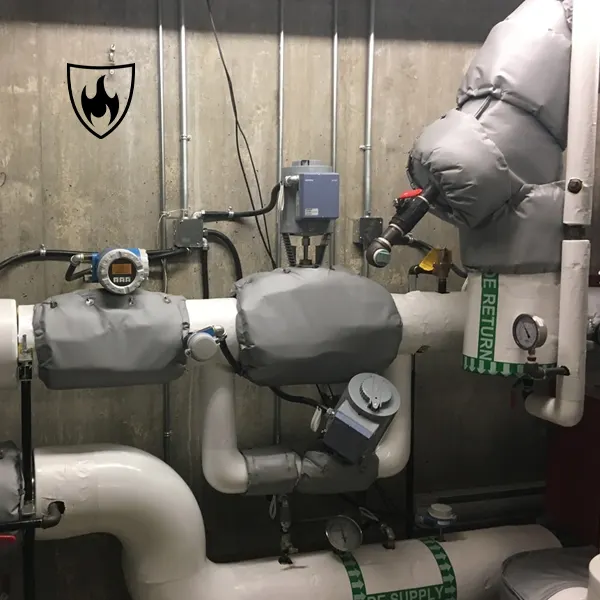
Removable insulation covers, also known as thermal insulation covers, blankets, mattresses, or jackets, offer a multitude of benefits that can significantly enhance energy efficiency in various industrial applications.
First and foremost, they help minimize heat loss, which is crucial in processes where maintaining specific temperature ranges is essential. By effectively insulating pipes, valves, gas turbines, and other equipment, these covers contribute to maintaining optimal operating conditions, reducing the energy required to compensate for heat loss. This not only leads to lower energy bills but also helps extend the lifespan of equipment by preventing overheating and thermal stress.
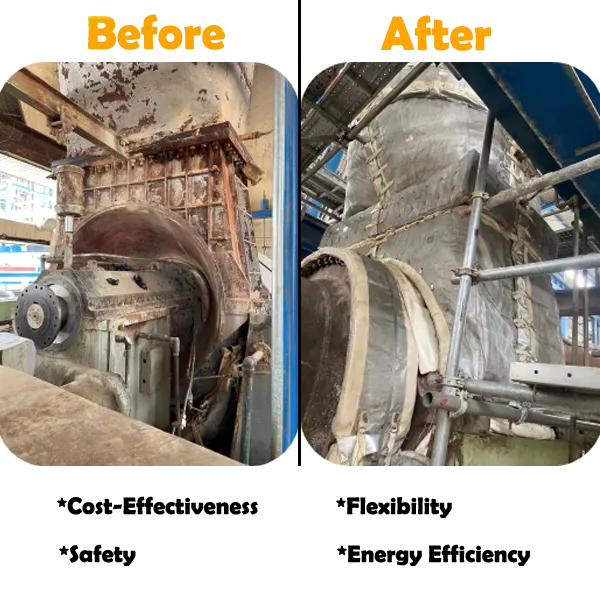
Furthermore, removable insulation covers are designed to be user-friendly. Their insulation properties can be maintained without the need for permanent fixtures, allowing for easy installation and removal for maintenance work. This flexibility is vital in industries where equipment requires regular inspection or servicing. With removable covers, workers can quickly access components without the hassle of dismantling permanent insulation, thereby improving operational efficiency and reducing downtime.
In addition to energy savings and ease of use, these covers also contribute to workplace safety. By providing insulation, they can reduce the risk of burns or injuries from hot surfaces. In environments where employees are working closely with heated equipment, protecting them from accidental contact with hot surfaces is imperative. This not only ensures compliance with safety regulations but also fosters a safer working environment.
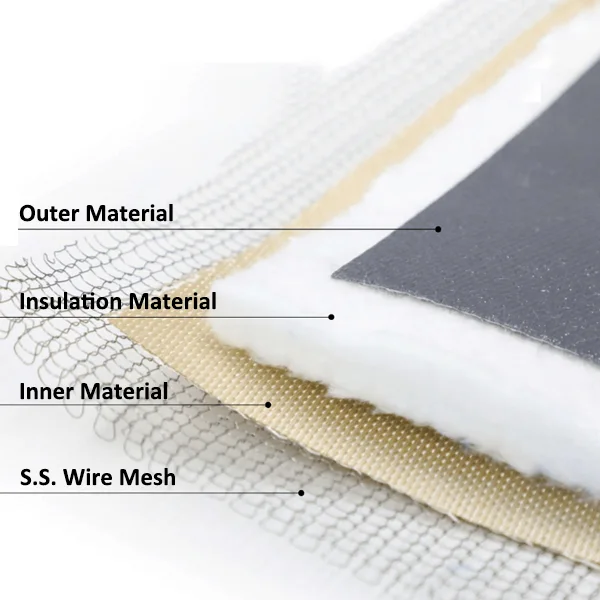
Removable insulation covers are engineered with a sandwich-like structure for optimal performance and ease of use.
The outer layer, or outer shield, is crafted from durable materials like silicone-coated fiberglass or PTFE, providing robust protection against environmental elements.
Inside, the insulation layer consists of high-performance materials such as fiberglass, silica, or ceramic fibers, delivering exceptional thermal insulation.
The inner layer, known as the hot side layer, is made from heat-resistant fabrics to endure high temperatures and protect the insulation core.
High-temperature threads and reliable fasteners—such as Velcro, straps, or buckles—ensure secure attachment and easy removal, allowing for efficient maintenance.
When it comes to removable insulation covers, the choice of materials is paramount. Numerous materials are available, each with distinct properties that suit different applications and environments. Understanding these materials is essential for making an informed decision that meets specific insulation needs.

Here’s an introduction to various materials based on the different structural requirements of removable insulation covers:
[Purpose]: To shield the insulation from environmental elements, physical wear, chemical corrosion, fire protection, anti-static requirements, etc
[Common Materials]:
Silicone coated/impregnated fiberglass fabric: [-50°C to 260°C / -58°F to 500°F], durability, weather resistance against moisture, and chemicals, remains flexible in extreme conditions. It’s recommended for use in outdoor and indoor environments.
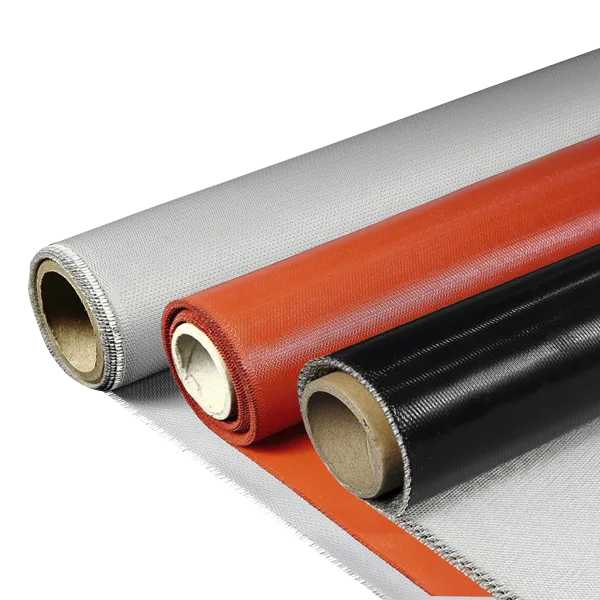
PU coated/impregnated fiberglass fabric: [180°C / 356°F], high cost-effectiveness, anti-fray, abrasion resistance, flexibility, easy to handle and install. It’s recommended for use in indoor environments.
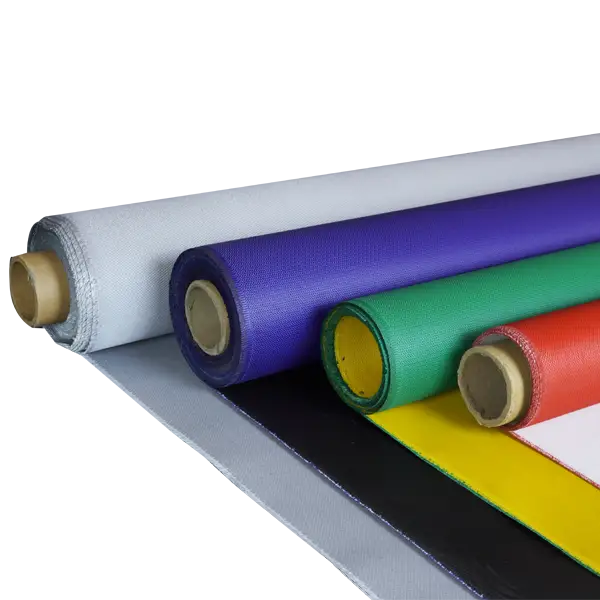
PTFE (Teflon) coated/impregnated fiberglass fabric: [-73°C to 300°C / -100°F to 572°F], excellent chemical resistance for harsh environments, non-stick surface, easy maintenance and cleaning, durability, weather resistance. It’s recommended for use in outdoor and indoor environments. Suntex also can supply anti-static PTFE coated fiberglass fabric for the ATEX zone.
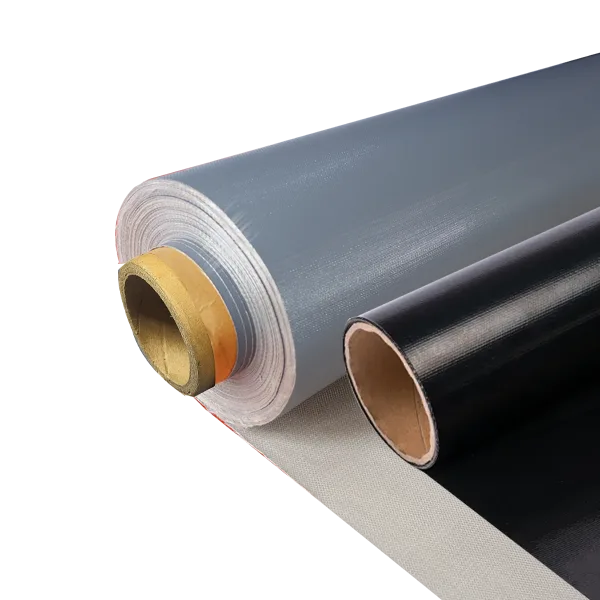
Neoprene coated/impregnated fiberglass fabric: [ to 100°C / to 212°F ], excellent resistance to oils, chemicals, and weathering, ensuring durability in high UV environments. It’s recommended for use in outdoor environments.
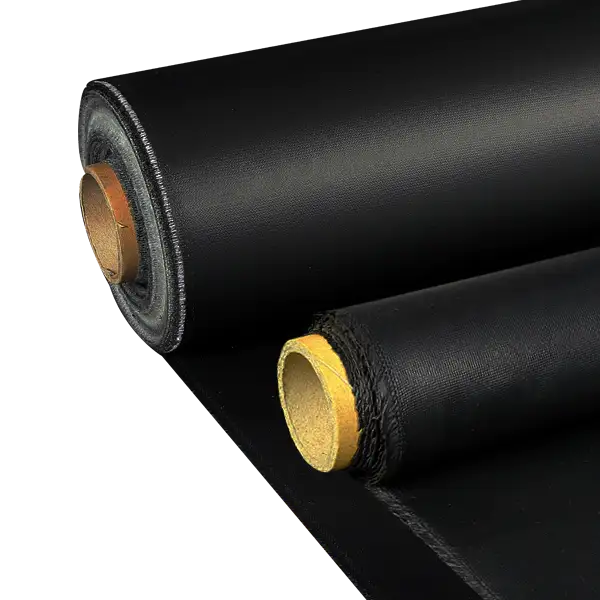
Hypalon coated/impregnated fiberglass fabric: for hazardous and abrasive environments that involve chemicals, oil, flame, electricity, and weathering. It’s also resistant to ozone, atmospheric aging, and abrasion. It’s recommended for use in marine environments.
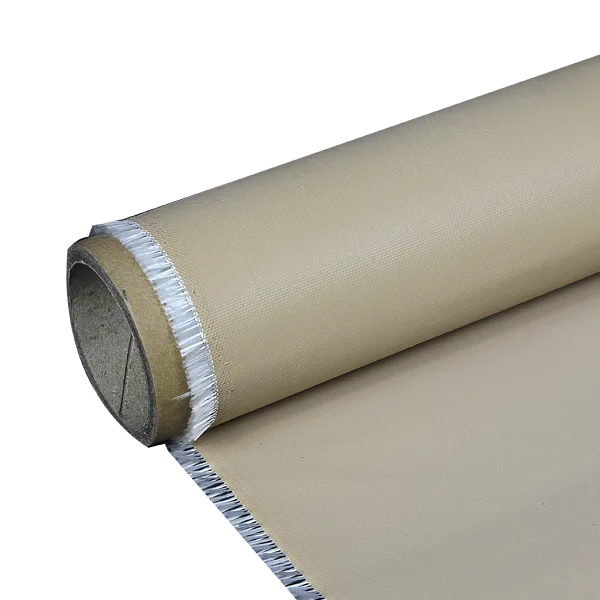
Aluminum foil/film laminated fiberglass fabric: excellent thermal reflectivity and heat resistance, lightweight and flexible, easy to handle.
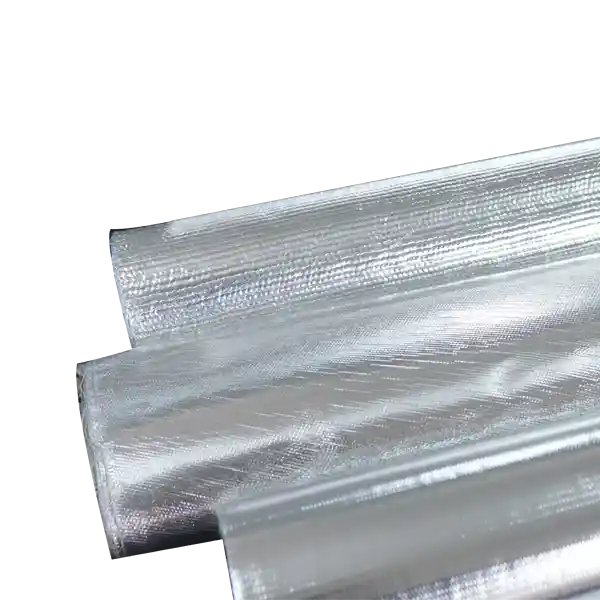
[Purpose]: To provide effective thermal insulation and maintain temperature control.
[Common Materials]:
Fiberglass felt: Fiberglass is a popular choice for insulation blankets due to its odorless nature and sound-absorbing properties. It is resistant to corrosion, decay, and pests, and can endure temperatures as high as 650°C (1200°F).
Silica felt: high temperature resistance (up to 1800°F/982°C), low thermal conductivity, and lightweight nature. It’s chemically stable, flexible for complex shapes, and non-combustible.
Ceramic fabric: high temperature resistance (up to 2300°F/1260°C), low thermal conductivity, and durability.
Aerogel: superior insulation compared to wool and fiberglass, even in thinner layers. For instance, a 0.5-inch (12.7mm) layer of aerogel matches the insulating power of a 1.5-inch (38mm) fiberglass layer. Its lightweight nature makes it perfect for applications with space constraints or delicate components
[Purpose]: To withstand high temperatures and protect the insulation material.
[Common Materials]:
Texturized fiberglass fabric: high-temperature resistance, low price, but fraying.
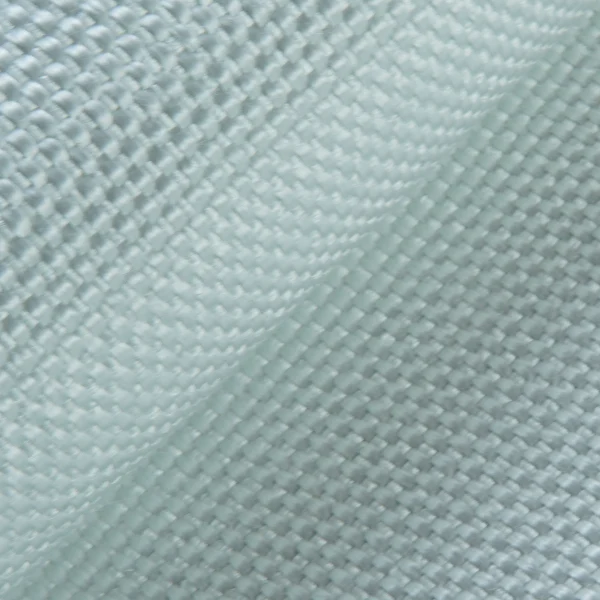
Heat treated texturized fiberglass fabric: high-temperature resistance, low price, less fraying.
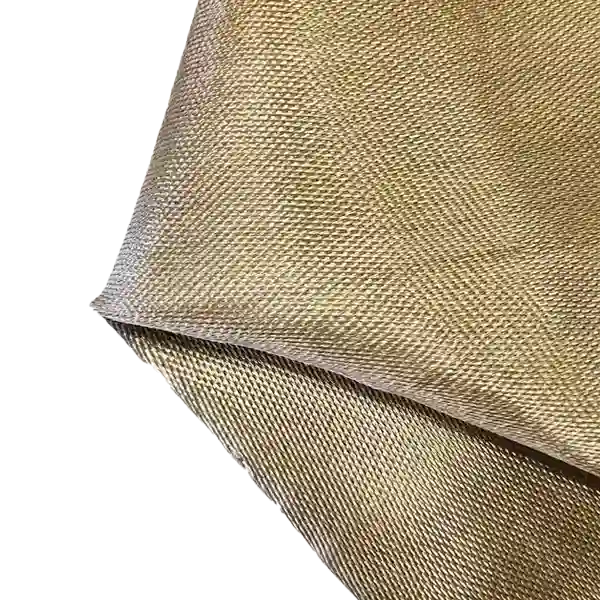
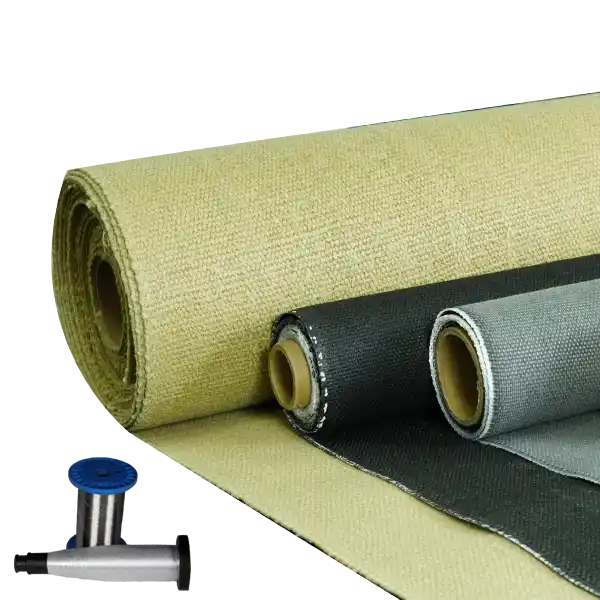
fiberglass fabric with s.s wire reinforced: high-temperature resistance, anti-fray. S.S. wire inserted is available for higher temperatures.
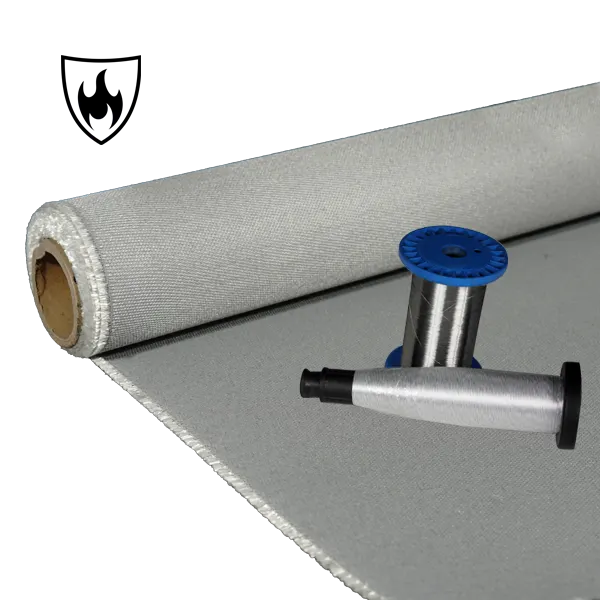
Metal oxide texturized fiberglass fabric: Highly recommended fabric for the inner layer, it can cover the application for any regular thermal insulation covers, but it has less smoke, long life, and is stable in [200~600℃].
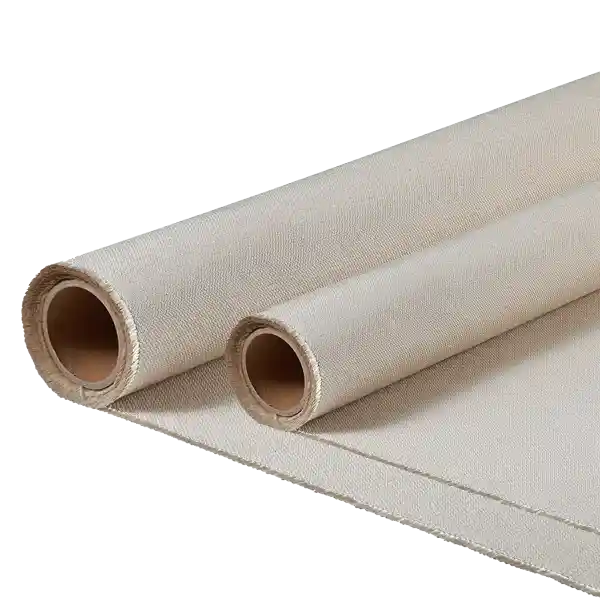
Graphite coated texturized fiberglass fabric: Graphite coating on fiberglass fabric enhances thermal resistance and reduces surface friction, improving abrasion resistance. It provides lubrication, making the fabric more durable in high-temperature and harsh environments.[400℃~600℃]
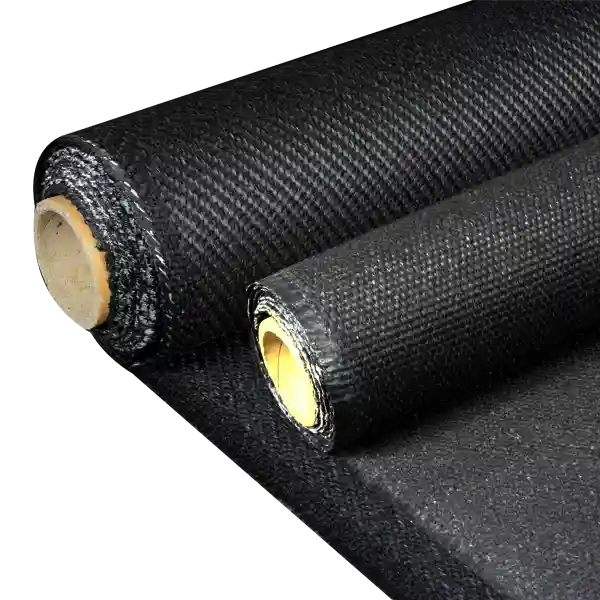
Calcium silicate coated texturized fiberglass fabric/S.S. wire inserted: Calcium silicate coating on fiberglass fabric enhances thermal insulation and fire resistance. It increases durability and abrasion resistance, making the fabric suitable for high-temperature applications. This coating also improves the fabric’s structural integrity and longevity in industrial environments.[ 450℃~600℃]
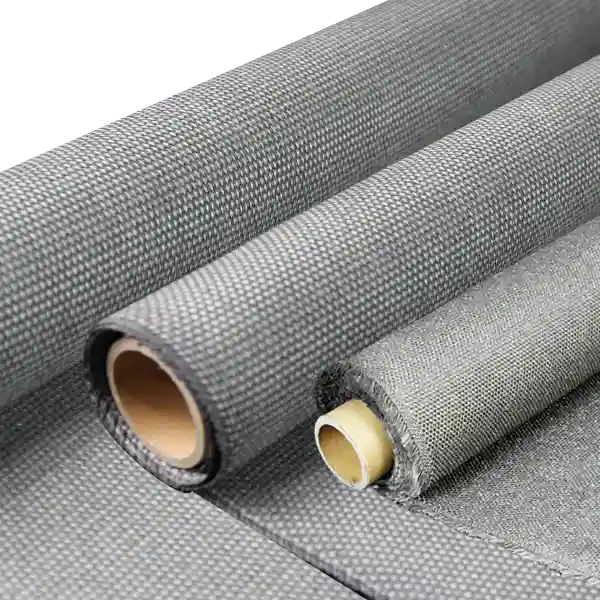
Vermiculite coated texturized fiberglass fabric/s.s wire inserted: Vermiculite coating enhances the fiberglass fabric’s thermal insulation, heat resistance, and abrasion protection. It improves the fabric’s stability under extreme temperatures and conditions, making it ideal for high-temperature applications and extending the material’s lifespan. [550℃~650℃]
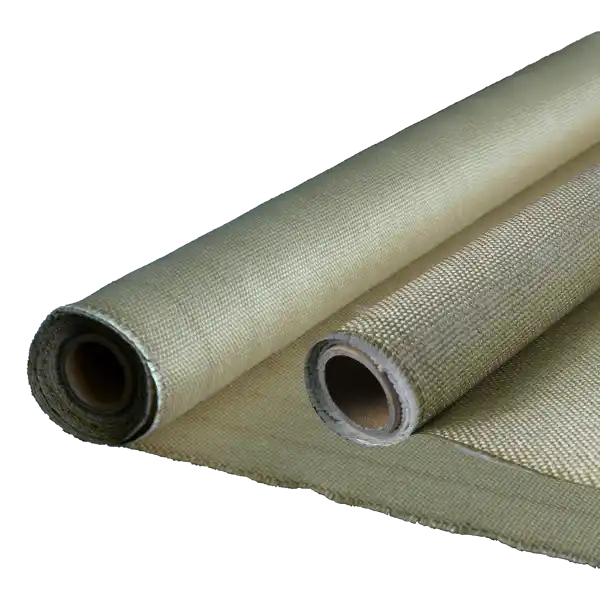
Silica fabric: its exceptional thermal resistance, withstanding temperatures up to 1800°F (982°C). It offers excellent thermal insulation, low thermal conductivity, and high durability.
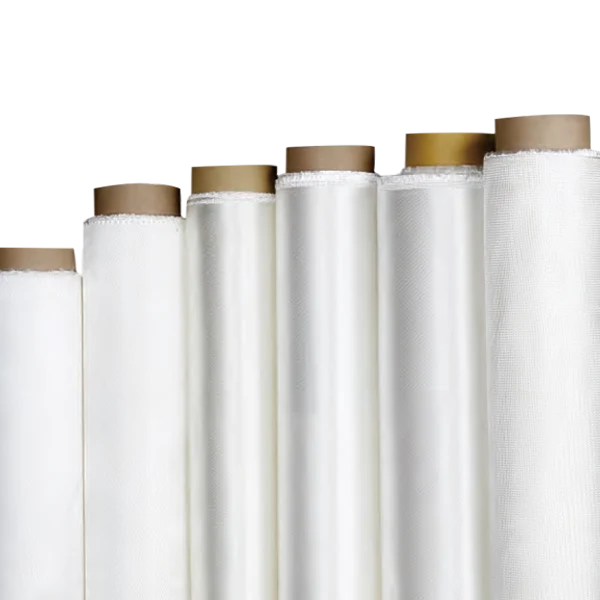
Vermiculite coated silica fabric: the vermiculite coating provides added protection against abrasion and high temperature resistance while maintaining excellent insulation properties.
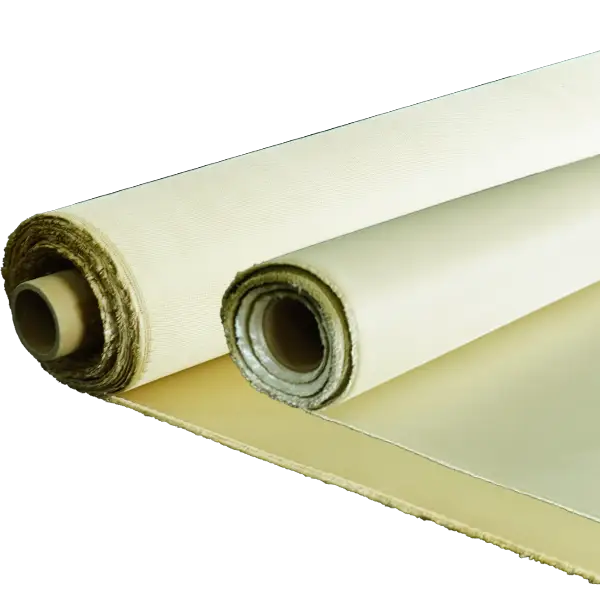
Vermiculite coated silica fabric: best materials for gas turbine covers or related high temperature insulation covers with shocking and keep at a high temperature of 700℃.
[Purpose]: To ensure secure attachment and allow easy installation and removal for maintenance.
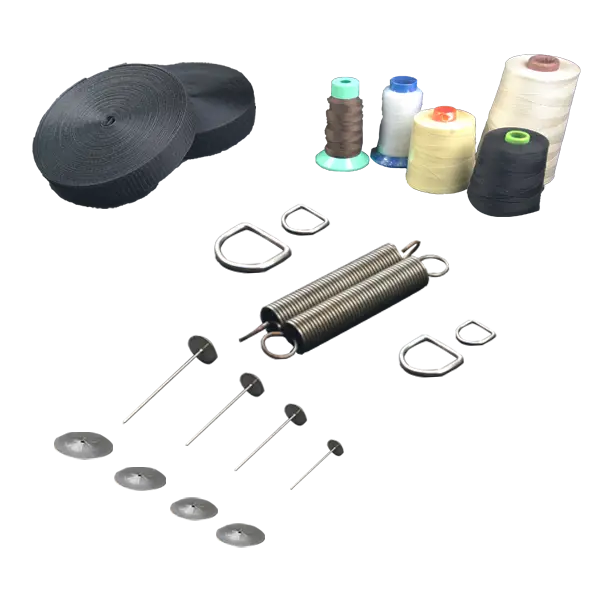
[Common Materials]:
If you need advice on materials or a quote, please contact Jason directly.
Email: [email protected]
Whatsapp: +86 13207127986

In conclusion, removable insulation covers are an invaluable tool for enhancing energy efficiency and improving safety in various industrial applications. The choice of materials plays a crucial role in determining the effectiveness of these covers, and understanding the benefits and properties of each material is essential for making an informed decision. Whether opting for fiberglass, ceramic fiber, silicone-coated materials, metal foil, or fabric options, each material offers unique advantages that can cater to specific insulation needs.
By carefully considering factors such as operating temperature, environmental conditions, and maintenance requirements, users can select the most suitable insulation material for their applications. This not only ensures optimal performance and energy savings but also contributes to the longevity of the equipment being insulated.
At Suntex Composite, we are committed to providing accurate and comprehensive information to help you navigate the world of removable insulation covers. By understanding the diverse materials available, you can make informed decisions that align with your operational objectives and contribute to a more energy-efficient future. Remember, the right insulation solution can lead to significant cost savings and improved safety, making it an investment worth pursuing.

Other FAQ / Blogs / News >>