Industry Insights: How the AI & Electronics Revolution is Reshaping the Supply Chain and Driving Upstream Fiberglass Yarn Costs
Read More >>
How to go to Suntex?
Why is Suntex a reliable supplier?
Besides competitive prices, what else can Suntex provide?
What are Suntex's products?
Looking for any help?
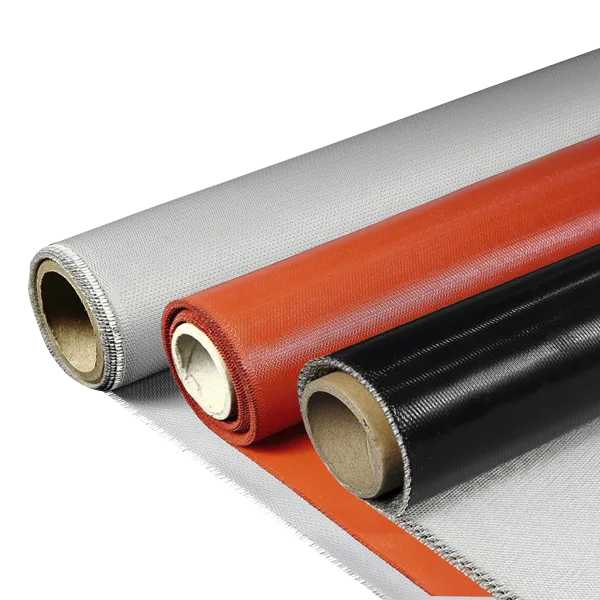
Looking for the right material for your next project? Look no further than fiberglass fabric and silica fabric. Both materials offer unique qualities that can enhance the performance and durability of your products, but which one is right for you? In this article, we’ll compare fiberglass fabric and silica fabric to help you make an informed decision.
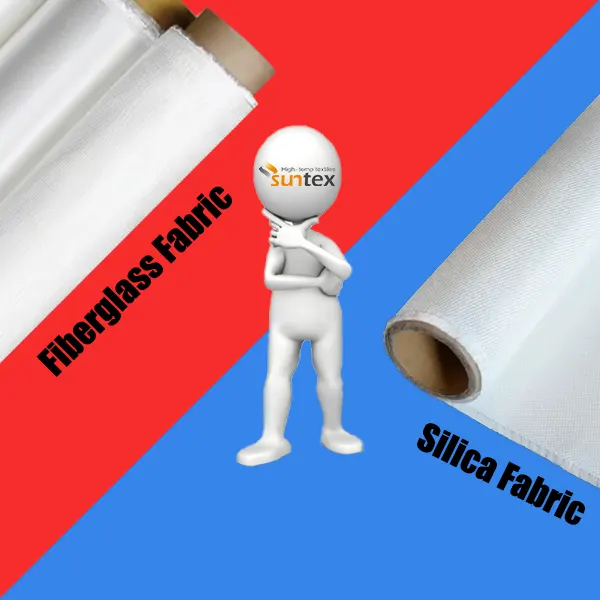
Fiberglass fabric is known for its strength, flexibility, and heat resistance. It is widely used in industries such as aerospace, automotive, and construction due to its excellent thermal insulation properties. Silica fabric, on the other hand, is known for its exceptional heat resistance and resistance to chemicals. It is commonly used in industries that require high-temperature applications, such as foundries and welding.
By understanding the key differences between fiberglass fabric and silica fabric, you can choose the material that best suits your needs. We’ll explore factors such as durability, cost, and specific applications to help you make an informed decision. Whether you’re looking for a material that can withstand extreme temperatures or one that offers superior chemical resistance, this article will guide you toward making the right choice.
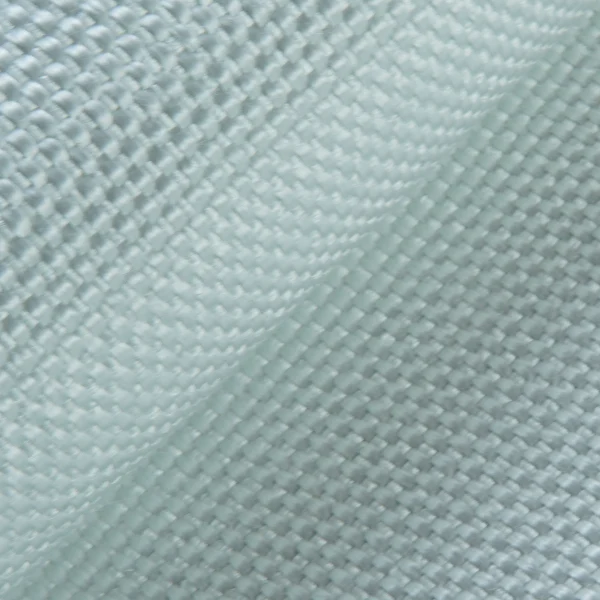
Fiberglass fabric is made from woven fibers of glass. These fibers are created by melting glass and extruding it into thin strands, which are then woven into a fabric. The resulting material is strong, lightweight, and resistant to heat and corrosion, making it useful in various industrial applications.

Fiberglass fabric is known for its high heat resistance and is generally non-combustible. It can withstand high temperatures without burning, making it an ideal material for applications requiring fire resistance. However, it’s important to note that while fiberglass itself doesn’t burn, coatings or treatments applied to the fabric might have different properties. Always check the specifications of the specific product you’re using.
For example, fiberglass fabric is A1 class fire rating, but most silicone coated fiberglass fabrics are A2 class.
Fiberglass fabric exhibits excellent fire resistance. This means it can withstand high temperatures without degrading, providing a measure of safety in fire-prone environments.
However, it’s important to consider that coatings or treatments on the fabric might affect its overall fire resistance. Always review the specifications for the specific product you’re using.
Fiberglass is not flammable. It is composed of glass fibers that do not easily ignite, making it a safe choice for applications where fire resistance is important. However, the resins used to bind fiberglass can be flammable, so it’s essential to consider the entire composite material in your safety assessments.
Fiberglass is generally considered safe when handled properly. However, it can cause skin, eye, and respiratory irritation if fibers are inhaled or come into contact with the skin. It’s important to use protective gear when working with fiberglass to minimize exposure.
Fiberglass fabric has a melting point of approximately 816°C (1500°F), which allows it to maintain structural integrity under high heat conditions.
Fiberglass fabric is known for its durability, lightweight nature, and excellent thermal and acoustic insulation properties. It is resistant to chemicals and moisture, enhancing fiberglass safety and making it versatile for various applications.
Fiberglass fabric is extensively used in construction, automotive, aerospace, and marine industries. Its applications include insulation, reinforcement, and protective barriers, benefiting from its fiberglass insulation properties.
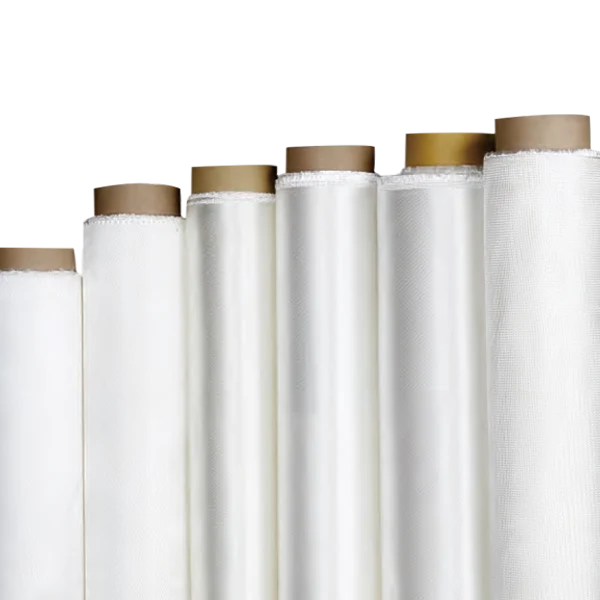
Yes, silica fabric is designed to withstand extremely high temperatures, making it ideal for applications requiring superior thermal protection.
High silica fabric is an advanced form of silica fabric with a higher silica content, typically above 96%. This increased silica content enhances its thermal resistance, allowing it to endure even higher temperatures—often exceeding 1000°C. High silica fabric is used in more demanding applications, such as in the aerospace industry, where extreme heat resistance is crucial.
Vermiculite is a naturally occurring mineral that expands when heated. It’s lightweight, fire-resistant, and has excellent insulation properties. When used to coat or impregnate silica fabric, it enhances the fabric’s thermal and fire resistance, making it ideal for high-temperature applications.
Vermiculite-coated or impregnated silica fabric is a high-temperature resistant material where silica fibers are treated with vermiculite. This coating enhances the fabric’s thermal insulation, abrasion resistance, and fire safety, making it suitable for extreme heat applications like welding and furnace protection.
The melting point of silica fabric exceeds 1600°C (2912°F), ensuring its performance in extreme heat conditions.
Silica fabric is characterized by its exceptional heat resistance, flexibility, and durability. It provides excellent thermal insulation and is resistant to most chemicals, making it suitable for demanding applications.
Silica insulation is known for its exceptional thermal and fire resistance properties. It is used in environments where fire safety is paramount, such as in fireproof barriers, protective clothing, and industrial equipment. The high melting point and stability of silica fibers ensure that they provide effective insulation even in the most demanding conditions, offering reliable protection against fire hazards.
When comparing fiberglass and silica fabric, consider their temperature resistance, cost, and specific application needs. Silica fabric offers higher heat resistance, while fiberglass is more cost-effective for lower temperature applications. Both materials provide significant benefits in terms of insulation and safety.
Factors to consider when choosing between fiberglass fabric and silica fabric
Selecting the appropriate material for your project is crucial for ensuring optimal performance and cost-effectiveness. Fiberglass fabric and silica fabric each offer distinct advantages that cater to different industrial applications. Fiberglass fabric is ideal for projects requiring strength, flexibility, and moderate heat resistance, making it suitable for industries like aerospace and construction. On the other hand, silica fabric excels in environments with extreme temperatures and chemical exposure, offering superior thermal protection and durability, perfect for foundries and welding applications. By evaluating your specific requirements—such as temperature tolerance, budget constraints, and environmental conditions—you can make an informed decision that aligns with your project goals.
Tag: Fire Control
Other FAQ / Blogs / News >>