Industry Insights: How the AI & Electronics Revolution is Reshaping the Supply Chain and Driving Upstream Fiberglass Yarn Costs
Read More >>
How to go to Suntex?
Why is Suntex a reliable supplier?
Besides competitive prices, what else can Suntex provide?
What are Suntex's products?
Looking for any help?
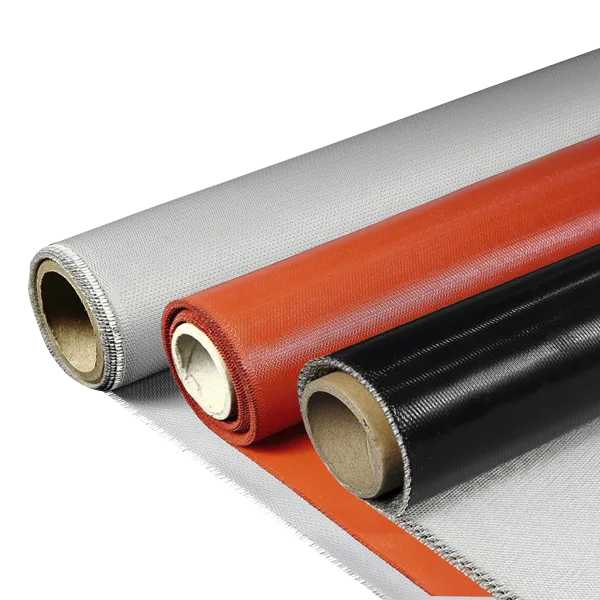
Fireproof fiberglass fabric is a highly useful material in many different industries and applications. The base fabric of fireproof fiberglass fabric can be either fiberglass fabric or silica fabric. Let’s first take a look at the similarities and differences between these two types.
Fiberglass fabric is made from extremely fine fibers of glass. It is known for its relatively high strength and durability. It can withstand certain levels of mechanical stress and is often used in situations where there is a need for a fabric that can hold its shape well under normal working conditions. In terms of temperature resistance, fiberglass fabric can generally handle temperatures up to around 550°C (data from [Fiberglass Fabric Manufacturers’ Association Report]). Beyond this temperature range, its properties may start to degrade.
On the other hand, silica fabric, a type of glass fiber fabric with an extremely high SiO₂ content typically exceeding 96%, is made from silica fibers. This high SiO₂ composition endows it with remarkable heat resistance properties, enabling it to endure temperatures as high as 1000°C.(as stated in [Silica Fabric Industry Research Paper]) or even higher in some cases, which is much higher than that of fiberglass fabric. However, when it comes to strength, silica fabric might not be as strong as fiberglass fabric in terms of withstanding mechanical forces like pulling and stretching under normal ambient conditions. But its ability to maintain its integrity in extremely high-temperature environments makes it a top choice for applications where heat is the main concern.
| Base Fabric | Temperature Resistance | Strength | Cost | Main Application Areas |
| Fiberglass Fabric | Generally Up to 550 °C | High | Relatively lower compared to silica fabric | Aerospace, metallurgy, and other high-end fields requiring high-temperature resistance |
| Silica Fabric | Up to 1700℃ | Lower than fiberglass fabric | Higher | Aerospace, metallurgy and other high-end fields requiring high-temperature resistance |
Fireproof fiberglass fabric can be coated with different materials on its surface or laminated with various substances to enhance its performance and endow it with more useful properties. Common coatings include aluminum foil, aluminum film, silicone rubber, PU (polyurethane), PTFE (polytetrafluoroethylene), acrylic, fluorine, PVC (polyvinyl chloride), graphite, calcium silicate, and vermiculite.
The application of these coatings can transform the basic fireproof fiberglass fabric into a more versatile material. For example, the aluminum foil coating can provide excellent reflectivity, which is useful in applications where heat reflection is crucial. The silicone rubber coating can enhance the fabric’s flexibility and make it more resistant to certain chemicals in some environments. Each coating brings its own set of advantages and contributes to widening the range of applications for fireproof fiberglass fabric.
| Coating/Laminating | Weather proof | Anti-abrasion | Water-proof | Oil/Grease resistance | Temperature resistance | Chemical resistance | Cost | Coating/Laminating Temperature range |
|---|---|---|---|---|---|---|---|---|
| Aluminized e-glass fabric | better → | better → | good ↓ | better → | better → | better → | middle → | 140°C |
| Silicone coated fiberglass fabric | excellent ↑ | excellent ↑ | excellent ↑ | excellent ↑ | better → | better → | middle → | 250°C |
| Polyurethane coated fiberglass fabric | better → | excellent ↑ | better → | Poor | better → | better → | low ↓ | 180°C |
| PTFE coated fiberglass fabric | excellent ↑ | excellent ↑ | excellent ↑ | excellent ↑ | better → | better → | expensive ↑ | 300°C |
| Neoprene coated fiberglass fabric | excellent ↑ | excellent ↑ | excellent ↑ | excellent ↑ | better → | better → | middle → | 140°C |
| PVC coated fiberglass fabric | better → | better → | excellent ↑ | better → | better → | better → | low ↓ | 150°C |
| Weave-lock finished fiberglass fabric | good ↓ | better → | good ↓ | better → | better → | good ↓ | low ↓ | N/A |
| Calcium silicate treated fiberglass fabric | better → | excellent ↑ | good ↓ | better → | excellent ↑ | excellent ↑ | expensive ↑ | 600°C – 700°C |
| Graphite treated e-glass fabric | better → | excellent ↑ | good ↓ | better → | excellent ↑ | excellent ↑ | middle → | 600°C |
| Vermiculite coated e-glass fabric | good ↓ | excellent ↑ | good ↓ | better → | excellent ↑ | better → | expensive ↑ | 750°C |
| Vermiculite coated ceramic fabric | good ↓ | excellent ↑ | good ↓ | better → | excellent ↑ | better → | expensive ↑ | 750°C |
| Fluorine rubber coated fiberglass fabric | excellent ↑ | excellent ↑ | excellent ↑ | excellent ↑ | better → | excellent ↑ | expensive ↑ | 200°C |
| Rewettable treated fiberglass fabric | good ↓ | better → | good ↓ | better → | better → | better → | middle → | N/A |
| Vermiculite coated Silica fabric | good ↓ | excellent ↑ | good ↓ | better → | excellent ↑ | better → | expensive ↑ | 750°C |
Fabrics coated with materials such as silicone, PTFE, neoprene, and fluorine exhibit excellent weatherproof properties. These coatings endow the fabrics with remarkable resistance to sunlight, rain, and wind, allowing them to maintain integrity over extended exposure. For example, fluorine-coated fabrics, as noted in [Coated Fabric Durability Studies], can endure harsh outdoor conditions for years, resisting UV-induced fading and damage. Similarly, silicone, PTFE, and neoprene coatings provide equivalent levels of protection, making them ideal for outdoor applications where long-term durability is essential.
In contrast, some coatings like graphite might not be as effective in providing weatherproofing on their own but could be combined with other layers to enhance overall weather resistance in specific applications.
Silicone rubber-coated fireproof fiberglass fabrics tend to have good anti-abrasion properties. They can resist wear and tear when rubbed against other surfaces, making them suitable for applications where there is frequent movement or contact with other objects. PU-coated fabrics also exhibit decent abrasion resistance and are often used in industrial settings where machinery might come into contact with the fabric, as per [Industrial Fabric Performance Reports].
However, coatings like PVC, acrylic might not be primarily focused on anti-abrasion but rather on other aspects like heat insulation or chemical resistance.
Water Proof:
*PVC-coated fireproof fiberglass fabric is well-known for its waterproof properties. It can effectively prevent water from penetrating through the fabric, which is essential for applications like waterproof covers or in areas where moisture needs to be kept out. Silicone, neoprene, and fluorine coatings also form a continuous barrier against water, as indicated in [Waterproof Fabric Research]. These materials are equally effective in creating a waterproof shield, making them suitable for similar applications.
*On the other hand, PU-coated fabrics may not provide substantial waterproofing without extra treatments, as their prime role often lies in enhancing durability. Acrylic-coated fabrics, while offering some water resistance, might fall short in extreme wet conditions, as their main function typically pertains to improving colorfastness and fabric feel.
Fluorine-coated fabrics, along with silicone, PTFE (Polytetrafluoroethylene), and neoprene materials, are outstanding in terms of oil and grease resistance. These materials can effectively repel oils and greases, which is valuable in applications in the food industry or in mechanical workshops where oil spills are common. Silicone’s low surface energy allows it to resist oil adhesion, while PTFE is renowned for its extremely low friction and high chemical resistance, making it impervious to most oils. Neoprene, a synthetic rubber, also shows good resistance to oil degradation. According to [Fabric Chemical Resistance Studies], these fabrics and materials can maintain their performance even after repeated exposure to oily substances.
*In comparison, calcium silicate, graphite and vermiculite may have moderate oil resistance but are more focused on other properties like temperature resistance.
Typically, coatings made of calcium silicate and graphite can withstand temperatures of 600 to 700 degrees Celsius, while vermiculite coatings can endure even higher temperatures. PTFE coatings can reach up to 300 degrees Celsius, and silicone coatings up to 250 degrees Celsius. Coatings of other materials generally have a heat resistance of less than 200 degrees Celsius.
Aluminum foil-coated fabrics also contribute to temperature management by reflecting heat and can be used in combination with other materials to enhance the overall temperature resistance of the setup.
*PTFE and fluorine-coated fabrics are highly resistant to a wide range of chemicals. They can withstand exposure to acids, alkalis, and many industrial chemicals without being corroded or damaged. Additionally, inorganic materials such as calcium silicate, graphite, and vermiculite also exhibit excellent chemical resistance. This property makes these materials, along with PTFE and fluorine-coated fabrics, indispensable in chemical processing plants or laboratories where contact with various chemicals is inevitable, as noted in [Chemical Resistant Fabric Analysis].
While silicone rubber-coated fabrics can resist some common chemicals to a certain extent, they are not as resistant as PTFE or fluorine-coated ones in the face of more aggressive chemical substances.
PVC-coated fireproof fiberglass fabric is usually relatively cost-effective compared to some of the other coated options. It offers a good balance between performance and price, making it a popular choice for applications where budget is a consideration but basic requirements like waterproofing and some level of fire resistance are needed.
In contrast, PTFE and fluorine-coated fabrics tend to be more expensive due to their high-performance chemical and temperature resistance properties. However, for specialized applications where these properties are essential, the higher cost is justified.
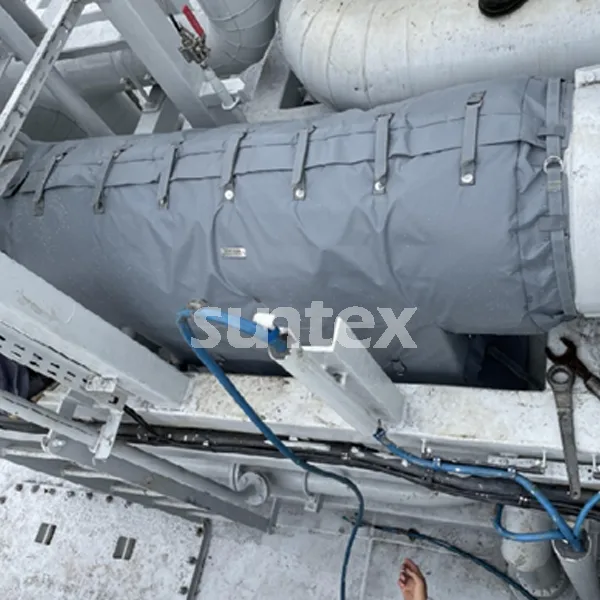
Thermal insulation covers, also known as thermal insulation jackets or insulation blankets, typically feature a three-layer structure: the outer layer, the insulation layer, and the inner layer. Fireproof fiberglass fabrics are mainly involved in the outer and inner layers. The outer layer generally requires properties such as heat resistance up to 200°C, water resistance, oil resistance, weather resistance, ease of fabrication, and anti-fray. As such, silicone coated fiberglass fabric, PU coated fiberglass fabric, and PTFE coated fiberglass fabric are common choices. For instance, PTFE-coated fiberglass fabric is suitable when both heat and chemical resistance are needed in the insulation setup, like in some chemical processing equipment insulation.
On the other hand, the inner layer needs to withstand high temperatures. Thus, heat-treated fiberglass fabric, silica fabric, calcium silicate coated fiberglass fabric, graphite coated fiberglass fabric, and vermiculite coated fiberglass fabric/silica fabric are excellent options. Silica fabric with a vermiculite coating is particularly advantageous. The high heat resistance of silica fabric, combined with the insulation properties of vermiculite, can effectively trap heat and prevent its escape. This makes it useful in applications such as covering hot pipes or in industrial furnaces where maintaining heat within a specific area is crucial.

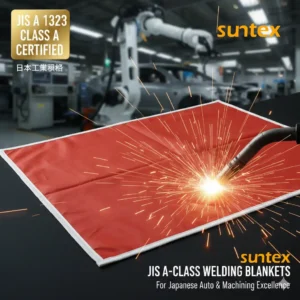
When it comes to welding blankets, several materials are popular choices. Fiberglass fabric with a silicone rubber coating is often preferred. The flexibility of the silicone rubber allows the blanket to be easily draped over the welding area, while the fiberglass fabric provides the basic strength and fire resistance needed. Additionally, the silicone rubber can withstand the splatters and heat generated during the welding process to a certain extent and protect the surrounding area from sparks and heat damage. Another favored option is pu coated fiberglass fabric. It is more affordable compared to silicone fiberglass cloth, making it suitable for light duty welding and serving as an economical choice. For heavy duty welding operations where high temperatures are involved, vermiculite silica fabric is an excellent alternative, as it can endure extreme heat conditions.
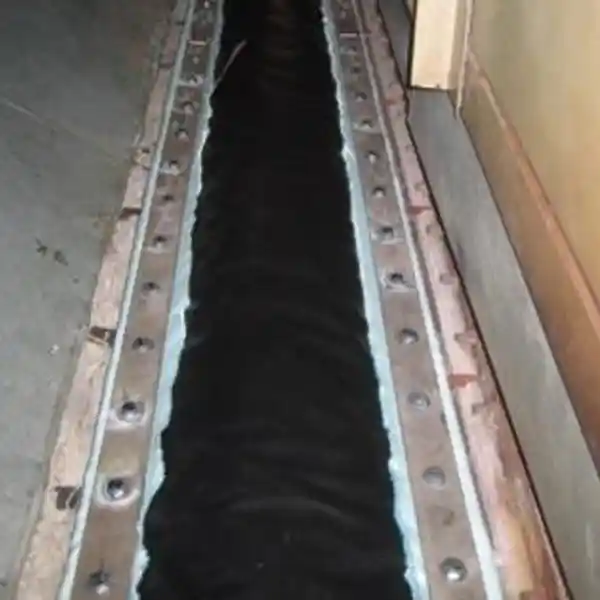
Fabric expansion joints often operate under harsh conditions, including vibrations, high temperatures, high humidity, and corrosive environments. To withstand these challenges, a combination of materials is usually required. Common choices include silicone-coated fiberglass fabric, PTFE-coated fiberglass fabric, graphite-coated fiberglass fabric, and silica fabric. These materials offer excellent flexibility and temperature resistance, allowing the fabric to expand and contract with the structure’s movement. They also maintain their integrity across different temperature ranges and resist wear and tear, ensuring a long service life even in dynamic applications.
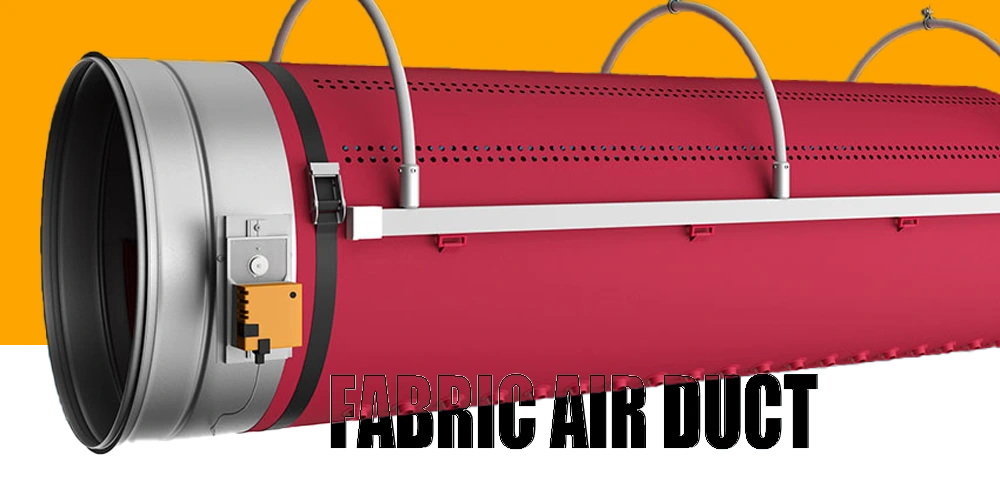
When it comes to air ducts, the choice of fabric varies according to their fire-resistance levels. For Class A fire-resistant air ducts, pu coated fiberglass fabric is a popular option. It offers excellent fire-proof performance, has a reasonable price, is easy to fabricate, and is anti-fray, making it suitable for ensuring high-level fire safety in air duct systems. In the case of Class B fire-resistant air ducts, PVC coated polyester fabric is often used. This fabric meets the fire-resistance requirements for Class B applications while providing cost-effective solutions for air duct construction.

Flexible connectors often utilize silicone coated fiberglass fabric as their material of choice, valued for its pliability and resilience. For outdoor applications where weather resistance and UV protection are crucial, neoprene coated fiberglass fabric emerges as the optimal solution. This variant is engineered to withstand the harshest elements, ensuring long-lasting performance even in direct sunlight and inclement weather. In cases where project budgets are tight, PVC coated fiberglass fabric offers a cost-effective alternative. While it may not possess the same level of durability as its counterparts, it still provides adequate flexibility and functionality, making it a viable option for applications with less demanding requirements.

Smoke curtains are typically crafted from pu coated fiberglass fabric. Fire curtains, on the other hand, are selected based on their E/EW/EI ratings. The common materials include pu coated fiberglass fabric with s.s. (V4A) wire reinforced, Intumescent Graphite Coated Fiberglass Fabric, aluminum foil laminated fiberglass fabric, and silica fabric. These materials are designed to meet different fire resistance requirements and ensure effective fire prevention in various settings.
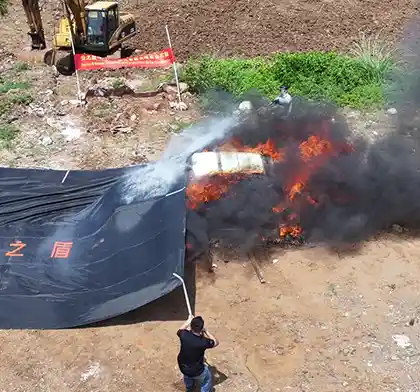
For car fire blankets, material selection depends on the flame intensity and customer requirements. For general applications, silicone coated fiberglass fabric or pu coated fiberglass fabric can be used. However, when facing higher temperatures, pu coated silica fabric or vermculite coated silica fabric is the more suitable choice. This ensures that the fire blanket can effectively handle different fire scenarios and provide reliable protection to the vehicle and its occupants.
In conclusion, when choosing fireproof fiberglass fabric for different projects, it is essential to consider all the aspects such as the required performance properties like temperature resistance, chemical resistance, and cost, as well as the specific application needs. By carefully evaluating these factors, we can select the most suitable fireproof fiberglass fabric to ensure the success and safety of the project.
Other FAQ / Blogs / News >>