The Top 3 Insulation Materials for Turbines: Enhance Efficiency and Performance
How to go to Suntex?
Why is Suntex a reliable supplier?
Besides competitive prices, what else can Suntex provide?
What are Suntex's products?
Looking for any help?
Turbines play a critical role in modern energy generation, converting thermal energy into mechanical energy and then into electricity. In this blog, we will explore the two primary types of turbines: steam turbines and gas turbines, their applications, and the importance of effective insulation materials in enhancing their efficiency and overall performance.
1. What Are Turbines?
Turbines are sophisticated machines that harness energy from fluid flow, converting it into mechanical power. The two main types of turbines are steam turbines and gas turbines:
- Steam Turbines: These turbines operate by using steam produced from boiling water to rotate blades attached to a rotor. The expansion of steam drives the turbine, which in turn generates electricity. They are commonly used in power plants, including fossil fuel and nuclear facilities.
- Gas Turbines: Utilizing the combustion of gas to produce hot gases that spin turbine blades, gas turbines are known for their high efficiency and rapid startup capabilities. They are primarily employed in peaking power plants and aviation engines.
2. Working Temperature Ranges of Turbines
Both steam and gas turbines operate at distinct temperature ranges, which significantly impact their insulation requirements:
- Steam Turbines: Typically, steam turbines operate within a temperature range of 300°F to 1,050°F (149°C to 566°C). Although lower than gas turbines, these temperatures require substantial thermal management to maintain efficiency.
- Gas Turbines: Gas turbines operate at much higher temperatures, often between 1,000°F and 1,500°F (538°C to 815°C). Achieving such elevated temperatures is pivotal for maximizing thermal efficiency, but it presents significant challenges regarding material selection and insulation.
3. Importance of Turbine Insulation
The insulation of turbines is crucial not only for thermal efficiency but also for safety and economic viability:
- Economic Benefits: Effective insulation reduces heat loss, optimizing thermal efficiency and lowering fuel consumption. This leads to significant cost savings for power generation facilities.
- Safety Considerations: Insulation prevents equipment overheating, reducing the risk of accidents and prolonging turbine lifespan by protecting sensitive components from extreme temperatures and external damage.
4. Key Materials for Turbine Insulation

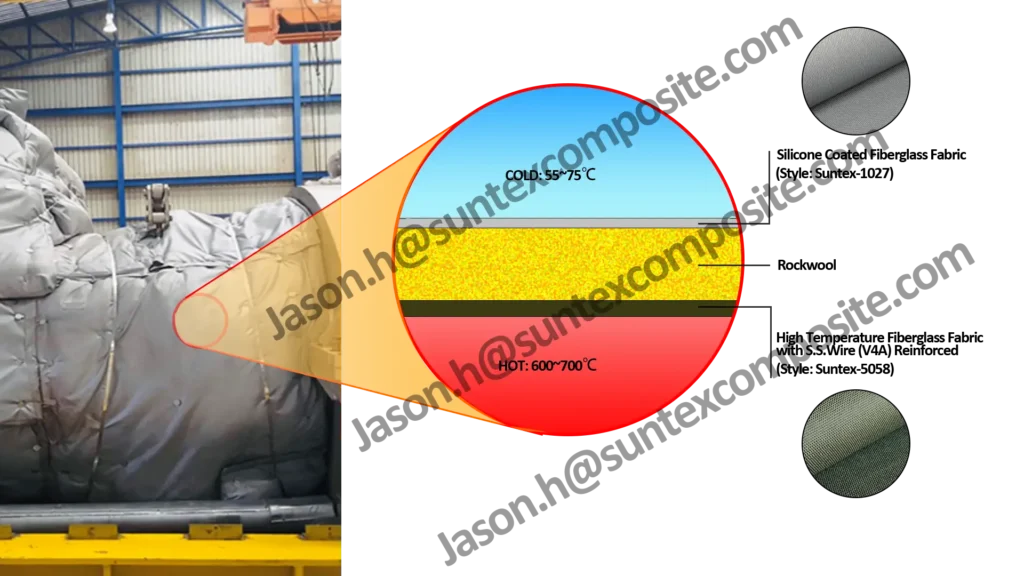
When creating insulation wraps for turbines, it’s essential to use materials that provide high-temperature resistance, vibration resilience, and overall durability. The primary layers of a turbine insulation wrap include the outer layer, insulation layer, and inner layer.
| Structure | Materials |
|---|---|
| Outside fabric | Suntex-1027/Suntex-1021 |
| Insulation materials | Mineral Wool Suntex-InsulFelt(fiberglass needle mat/silica needle mat) |
| Inside fabric | Suntex-5058 |
| Velcro system | High Temp Velcro |
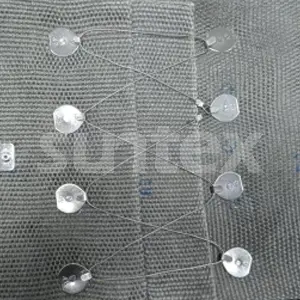
| Sewing thread | Aramid thread with s.s. wire |
| Steel caps & pins | high grade steel pins/ caps |
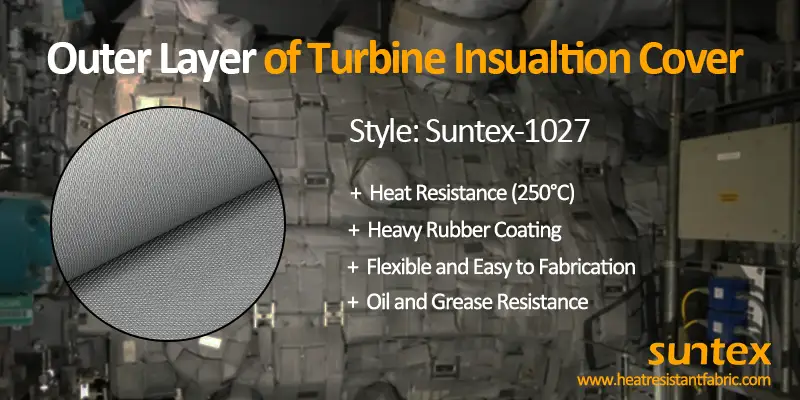
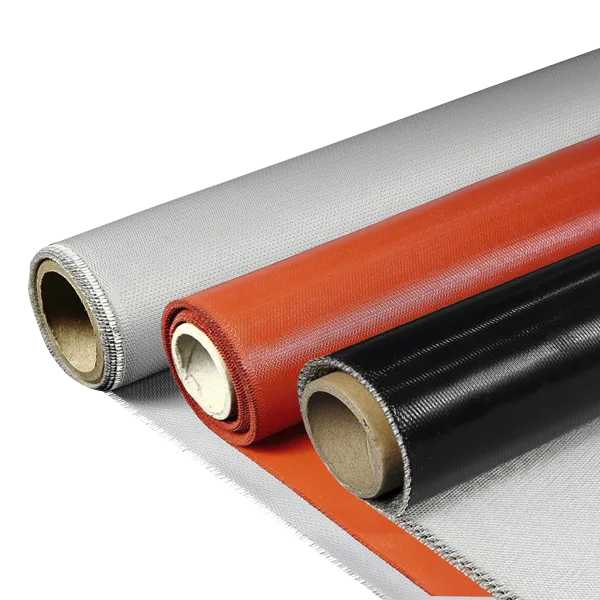
Outer Layer: Silicone Coated Fiberglass Fabric (Style: Suntex-1027)

This outer layer is pivotal in providing protection against the elements and mechanical wear. Suntex-1027 is notable for its durability and ease of fabrication. Characteristics include:
- High-temperature resistance sufficient for various turbine applications.
- Oil and grease resistance, ensuring longevity in harsh environments.
- Soft texture, enhancing comfort during handling and installation.
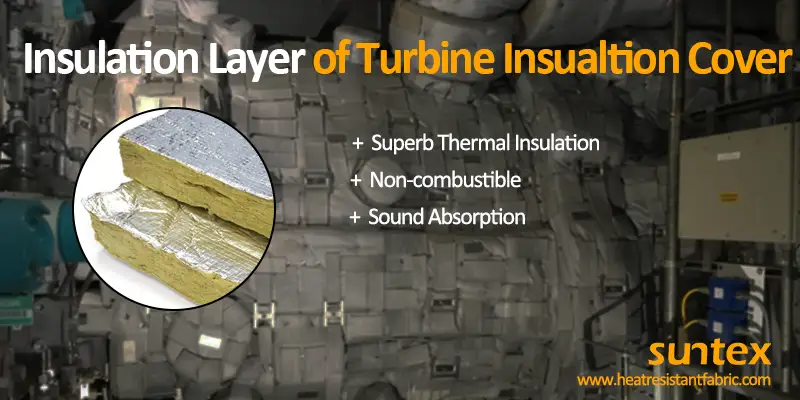
Insulation Layer: Rockwool

Rockwool, known for its excellent insulating properties, provides effective thermal resistance and soundproofing. It features:
- Superior thermal insulation, maintaining optimal temperature levels within the turbine.
- Non-combustible nature, enhancing safety measures.
- Acoustic properties that reduce noise levels generated by the turbine operation.
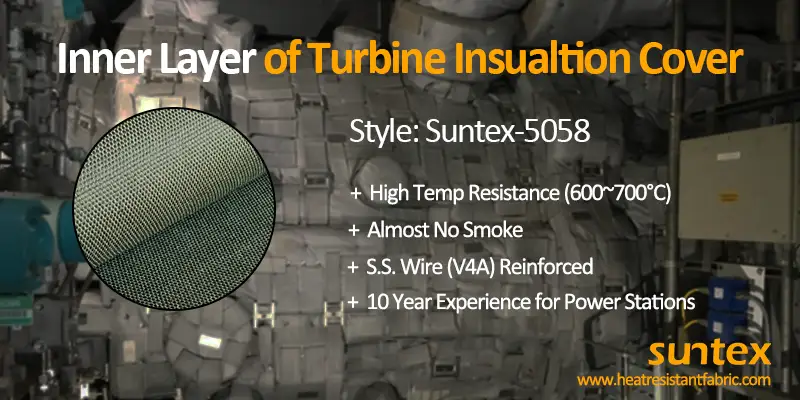
Inner Layer: High Temperature Fiberglass Fabric with S.S. Wire Reinforced (Style: Suntex-5058)

The Suntex-5058 fabric is an exclusive high-temperature material that signifies the pinnacle of turret insulation technology. Key features include:
- Tremendous temperature resilience of up to 1112°F to 1292°F (600°C to 700°C), suitable for high-performance applications.
- Reinforced with stainless steel wire, it provides exceptional strength and resistance to vibration.
- Long-lasting integrity even in environments subjected to thermal shock and mechanical stress.
Question: Why not use ceramic fabric as the inner layer material to produce insulation mattresses for gas turbines


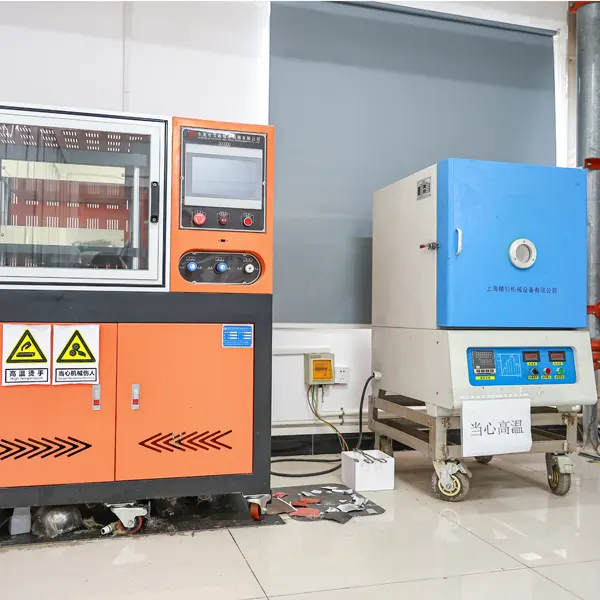
Many customers have asked us why we don’t use ceramic fabric in our material selection, especially since this material can withstand temperatures over 1200°C and is cost-effective. In response, Suntex conducted high-temperature comparison tests in our own high-temperature laboratory and reached the following conclusions:
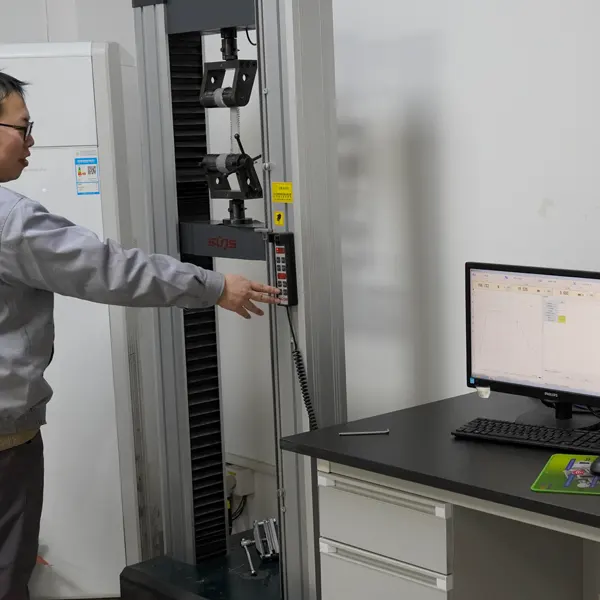
- While ceramic fabric is theoretically capable of withstanding temperatures above 1000°C, Suntex’s tests found that after 4 hours at 600°C, the material loses its flexibility and becomes very hard and brittle. Its initial strength (at room temperature) is already low, below 1000 N/inch, and after 4 hours at 600°C, its strength decreases to less than one-fifth of its original value. This makes it incapable of withstanding the high temperatures and vibrations during turbine operation, resulting in a loss of insulation effectiveness over time and failing to meet design requirements.
- After preheating, the ceramic fabric emits a large amount of smoke, which can trigger smoke alarms.
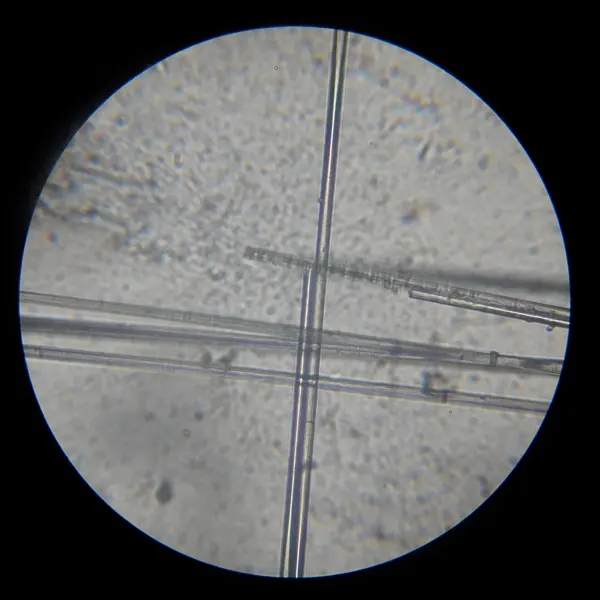
- As a short-fiber material, ceramic fabric can easily release fibers into the air and be inhaled by workers, posing health risks.
Based on extensive experimental results and customer feedback, we believe that Suntex’s high-temperature material, SUNTEX-5058, should be chosen as the key temperature-resistant material for gas turbine insulation covers. For more details, please contact: [email protected].
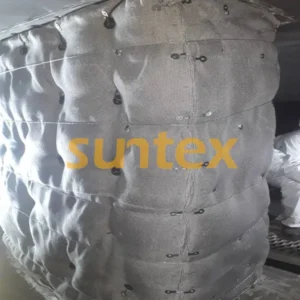
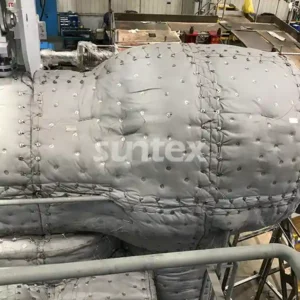
In conclusion, selecting the right insulation materials is essential for maximizing turbine efficiency and extending operational longevity. The combination of silicone-coated fiberglass, rockwool, and high-temperature reinforced fiberglass creates a robust insulation solution that meets the demanding requirements of both steam and gas turbines. By investing in quality insulation, operators can enhance their turbines’ performance, improve safety, and realize significant cost savings in the long run.
Other FAQ / Blogs / News >>