Industry Insights: How the AI & Electronics Revolution is Reshaping the Supply Chain and Driving Upstream Fiberglass Yarn Costs
Read More >>
How to go to Suntex?
Why is Suntex a reliable supplier?
Besides competitive prices, what else can Suntex provide?
What are Suntex's products?
Looking for any help?
In industries such as oil & gas, chemical processing, power plants, and marine, fire safety is a top priority. One critical component of fire safety is Passive Fire Protection (PFP) jackets, which play a crucial role in preventing fire-related damage and ensuring operational integrity.
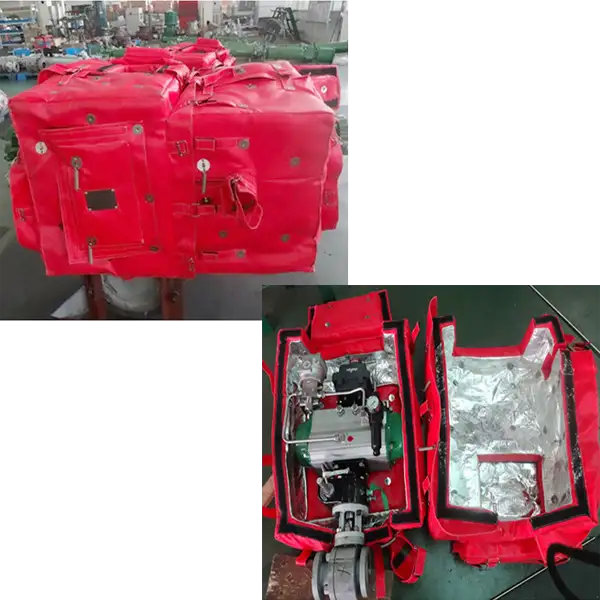
A Passive Fire Protection (PFP) jacket is a removable and reusable fire-resistant covering designed to protect critical equipment, including valves, pipelines, flanges, actuators, and electrical enclosures, from high temperatures and fire exposure. Unlike active fire protection systems (e.g., sprinklers or fire extinguishers), PFP jackets work passively by insulating and delaying heat transfer to maintain equipment functionality in case of fire.
PFP jackets are made of multiple layers, each serving a specific purpose to ensure maximum fire resistance and thermal insulation. The key components of a PFP jacket include:
The outer layer is the first line of defense against fire, chemicals, and mechanical wear. It is typically made from silicone-coated fiberglass, PTFE-coated fiberglass, or aluminized fabric, providing fire resistance, waterproofing, and durability.
This is the core heat-resistant barrier that provides thermal insulation. Common insulation materials include:
Some PFP jackets include an intumescent layer, which expands when exposed to heat, forming a protective char that delays heat penetration.
To improve durability and structure, PFP jackets may have an additional stainless steel mesh, aluminum foil, or high-strength fabric to enhance protection against mechanical damage and fire exposure.
PFP jackets use Velcro, straps, buckles, or metal fasteners to ensure a secure fit around equipment while allowing easy removal for maintenance.
PFP jackets are composed of multiple layers of specialized fabrics and insulation materials, each serving a unique purpose. The most common fabrics used include:
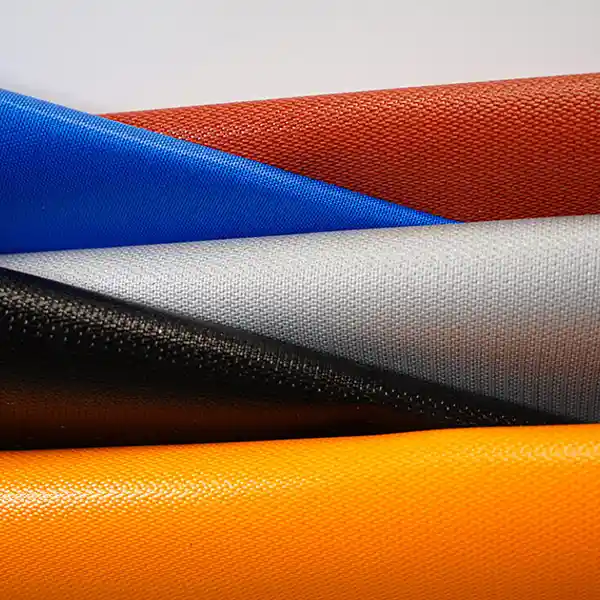
This is one of the most widely used materials for PFP jackets due to its high heat resistance, durability, and flexibility. The silicone coating enhances resistance to water, chemicals, and UV exposure, making it ideal for harsh industrial environments.
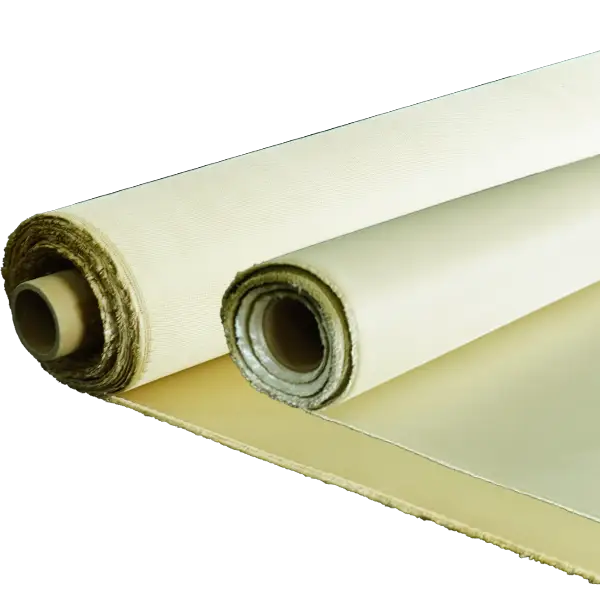
This fabric provides superior thermal insulation and fire resistance. The vermiculite coating enhances the ability to withstand continuous exposure to high temperatures, making it suitable for extreme fire protection applications.
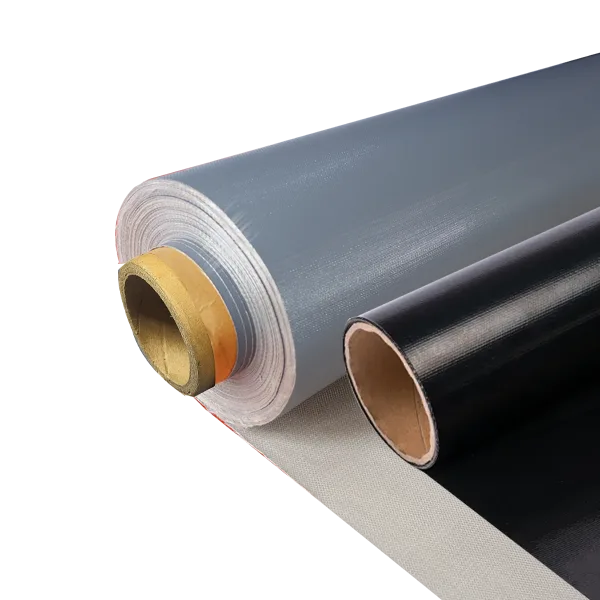
PTFE (Polytetrafluoroethylene) coatings offer excellent chemical and fire resistance, making this fabric ideal for environments exposed to corrosive substances and high temperatures.
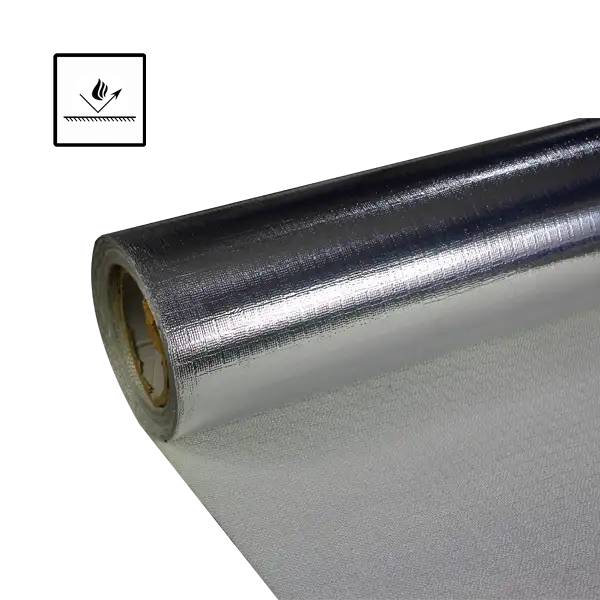
Designed for reflecting radiant heat, aluminized fiberglass fabric is perfect for applications where extreme temperatures are a concern. It helps reduce heat penetration and enhances thermal insulation.
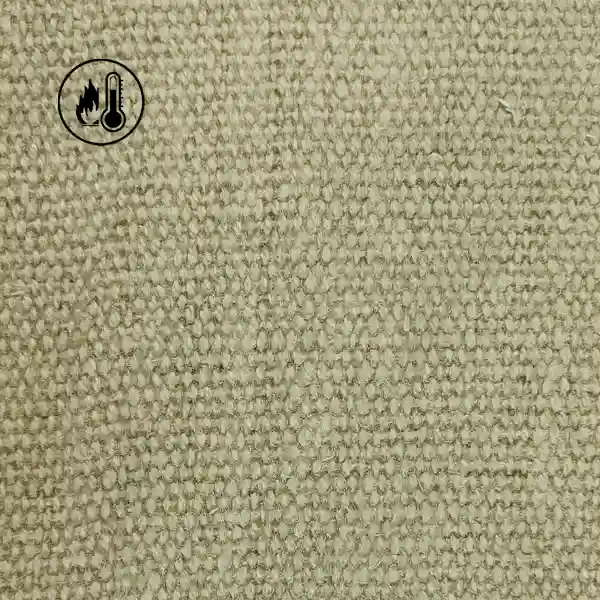
This fabric is known for ultra-high-temperature resistance, often exceeding 1000°C (1832°F). It is used in PFP jackets that require extreme fireproofing performance.
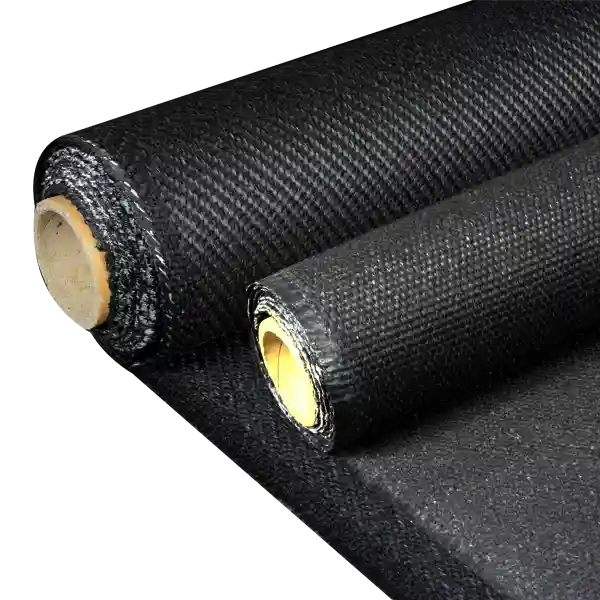
Intumescent materials expand when exposed to heat, forming a protective char layer that insulates and slows down heat transfer, making it an excellent option for fire barriers.
Passive Fire Protection (PFP) jackets are essential for safeguarding industrial equipment from fire hazards. The choice of fabric plays a vital role in determining the effectiveness of a PFP jacket. Silicone-coated fiberglass, vermiculite-coated fiberglass, PTFE-coated fabrics, and aluminized fabrics are among the top materials used, each offering unique advantages.
When selecting a PFP jacket, it is crucial to consider the operating environment, required fire resistance level, and exposure to chemicals or moisture. Investing in high-quality PFP fabrics ensures enhanced fire safety and prolonged equipment lifespan.
Other FAQ / Blogs / News >>