Navigating the Heat: The Essential Guide to High-Temperature Fabrics in Marine Insulation

How to go to Suntex?

Why is Suntex a reliable supplier?

Besides competitive prices, what else can Suntex provide?

What are Suntex's products?

Looking for any help?

Introduction to Marine Insulation

Marine insulation is a crucial aspect of shipbuilding and maintenance, playing a pivotal role in ensuring the safety, comfort, and energy efficiency of vessels. In the harsh marine environment, where ships are exposed to extreme temperatures, high humidity, and corrosive seawater, effective insulation becomes indispensable.
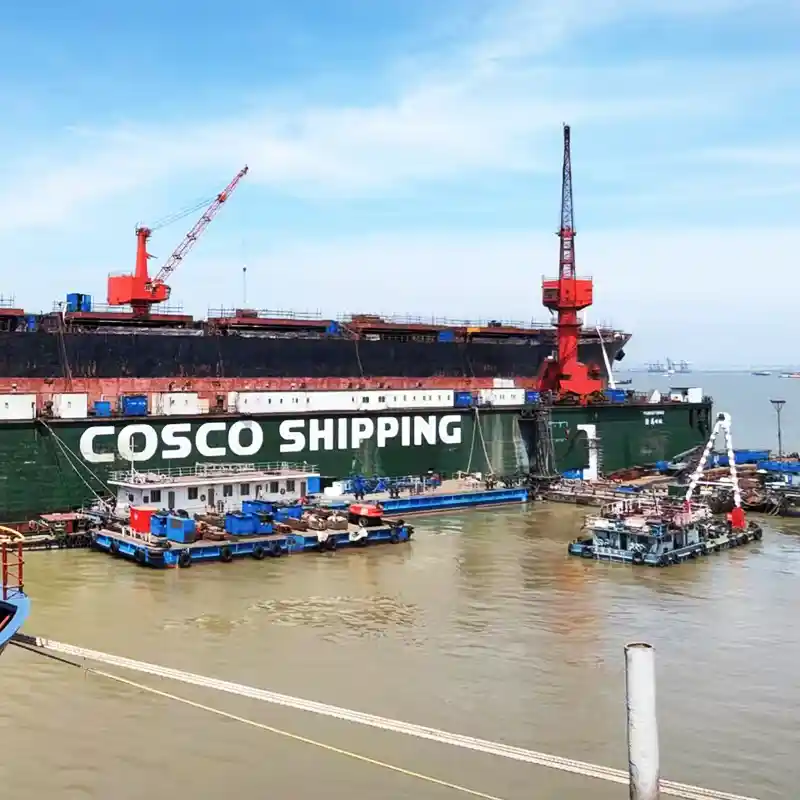
Firstly, from the perspective of energy conservation, proper marine insulation significantly reduces heat transfer between the ship’s interior and the external environment. This is especially important for vessels operating in frigid or torrid zones. For instance, in polar regions, insulation helps retain the heat generated by the ship’s heating systems, preventing it from dissipating into the cold sea, thus saving fuel and reducing energy consumption. Conversely, in tropical waters, insulation can keep the interior cool, minimizing the workload of air – conditioning systems.

Secondly, marine insulation is essential for the safety of the crew and the integrity of the ship’s structure. It helps prevent the formation of condensation, which can lead to corrosion of the ship’s metal components. In addition, in the event of a fire, high-quality insulation materials can act as a fire-retardant barrier, slowing down the spread of flames and giving the crew more time to respond and evacuate safely.

Moreover, for the comfort of the crew and passengers, marine insulation helps maintain a stable and pleasant interior temperature. It reduces noise transmission from the engine room and the external environment, creating a more peaceful living and working space on board.

Among the various materials used in marine insulation, fiberglass fabrics have emerged as a popular and reliable choice. Fiberglass fabrics possess a unique combination of properties that make them well-suited for the demanding marine environment, and they have become a key material in modern marine insulation systems.

Understanding Fiberglass Fabrics – The Essential Materials for Marine Insulation

Fiberglass fabrics: Composition and Manufacturing Process

Fiberglass fabrics are made from glass fibers, which are themselves produced from a combination of raw materials. The primary raw materials for glass fibers include silica sand, limestone, soda ash, and various metal oxides. These materials are carefully selected and proportioned to achieve the desired properties in the final glass fiber product.

The manufacturing process begins with melting these raw materials in a high-temperature furnace, typically at temperatures reaching up to 1500°C. At such high temperatures, the raw materials fuse to form a homogeneous glass melt. This molten glass is then extruded through tiny holes in a platinum-alloy spinneret. As the glass passes through these holes, it is rapidly cooled by air or water jets, solidifying into extremely fine filaments. These filaments are incredibly thin, often with diameters in the range of a few microns to tens of microns(6μm\9μm\13μm).
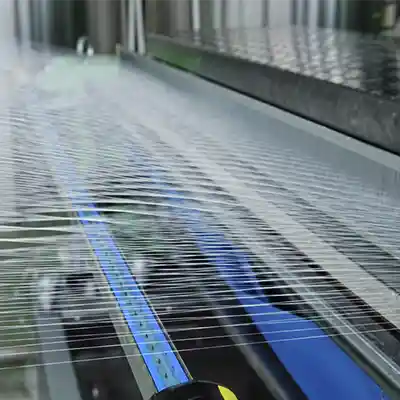
After the filaments are formed, they are gathered together to form a strand or yarn. Multiple strands can be further combined and twisted to increase their strength and durability. The resulting glass fiber yarns are then woven or knitted into fabrics using traditional textile manufacturing techniques. Weaving involves interlacing the warp (lengthwise) and weft (cross-wise) yarns to create a stable fabric structure, while knitting creates a fabric by forming loops of yarn. In applications that require enhanced strength, we incorporate stainless steel wire during the textile process to weave fiberglass stainless steel wire fabric. In some cases, the glass fiber fabrics may also undergo post-treatment processes such as heat treatment, coating, or impregnation with silicone, PU, PTFE or laminated with aluminum foil to enhance their performance in specific applications.
Key Properties of Fiberglass Fabrics

Fiberglass Fabrics Have Great High-heat Resistance

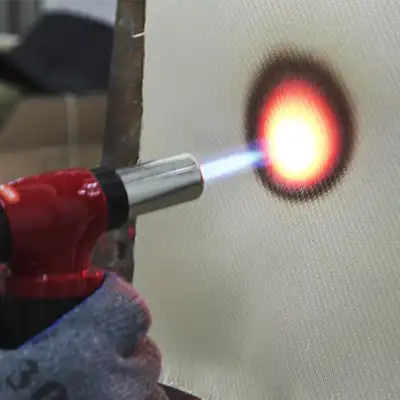
Fiberglass fabrics can withstand high temperatures without significant degradation. They have a high melting point and can typically endure temperatures up to 500 – 750°C, depending on the specific composition. In a marine environment, this is crucial for areas near the engine room or exhaust systems, where high temperature resistance is essential to prevent the fabric from melting or losing its integrity. For example, in ship engine compartments, fiberglass insulation fabrics can protect surrounding structures from the intense heat generated by the engines.

Fiberglass Fabrics Have Excellent Insulating Properties

Fiberglass is an excellent thermal insulator. It has a low thermal conductivity, which means it effectively resists the transfer of heat. This property helps in maintaining the desired temperature inside the ship, whether it’s keeping the living quarters warm in cold waters or cool in hot climates. Additionally, fiberglass fabrics also offer good electrical insulation properties, protecting against electrical hazards in the ship’s electrical systems.

Fiberglass Has a Great High Strength to Weight Ratio

Despite being lightweight, fiberglass fabrics possess high tensile strength. They can withstand significant pulling forces without breaking. This strength to weight ratio is beneficial in marine applications as it allows for the use of lightweight insulation materials that can still provide robust protection. For instance, in the construction of large-scale ships, using fiberglass fabrics for insulation helps reduce the overall weight of the vessel, which in turn improves fuel efficiency and speed.

Good Corrosion Resistance for Fiberglass Fabrics

The marine environment is highly corrosive due to the presence of saltwater, humidity, and various chemicals. Fiberglass fabrics are highly resistant to corrosion, making them ideal for long-term use in ships. They do not rust or corrode like metal-based materials, ensuring the longevity of the insulation system. This corrosion resistance also means that less maintenance is required over time, reducing the overall cost of ship operation.

The Role of Fiberglass Fabrics in Marine Insulation

Meeting Marine Insulation Requirements

Fire Resistance: In the marine environment, the risk of fire is a significant concern. Fiberglass fabrics are inherently non-combustible. Their high melting point and stable chemical structure under high-temperature conditions make them an excellent choice for preventing the spread of fire. For example, in the event of an electrical short-circuit or an engine-related fire in the engine room, fiberglass-based insulation materials can act as a fire-retardant barrier. They do not contribute to the combustion process and can withstand the heat generated by the fire for an extended period. This fire-resistance property meets the strict safety regulations set by international maritime organizations such as the International Maritime Organization (IMO), which require all ship-building materials to have certain fire-retardant capabilities to ensure the safety of the crew and passengers during a fire emergency.

Water Resistance: Ships are constantly exposed to water in various forms, including seawater, rain, and condensation. Fiberglass fabrics can be treated or coated to be highly water-resistant. The smooth surface of the glass fibers and the proper resin coatings prevent water penetration. When used in insulation systems, this water-resistance property ensures that the insulation performance remains stable over time. For instance, if water were to penetrate the hull insulation, it could lead to degradation of the insulation’s effectiveness, increased heat transfer, and potential corrosion of the underlying metal structures. Fiberglass fabrics’ water resistance helps maintain the integrity of the insulation system and the overall structural health of the ship.

Weather Resistance: The marine environment is harsh, with ships facing strong winds, salt-laden air, and extreme temperature variations. Fiberglass fabrics have excellent weather-resistance characteristics. They do not degrade or weaken when exposed to ultraviolet (UV) radiation from the sun, which is a common cause of material degradation in outdoor applications. The chemical stability of glass fibers also allows them to resist the corrosive effects of salt in the air and water. This weather-resistance ensures that the fiberglass-based insulation materials can maintain their physical and mechanical properties throughout the ship’s service life, reducing the need for frequent replacements due to environmental damage.
Applications in Different Marine Components

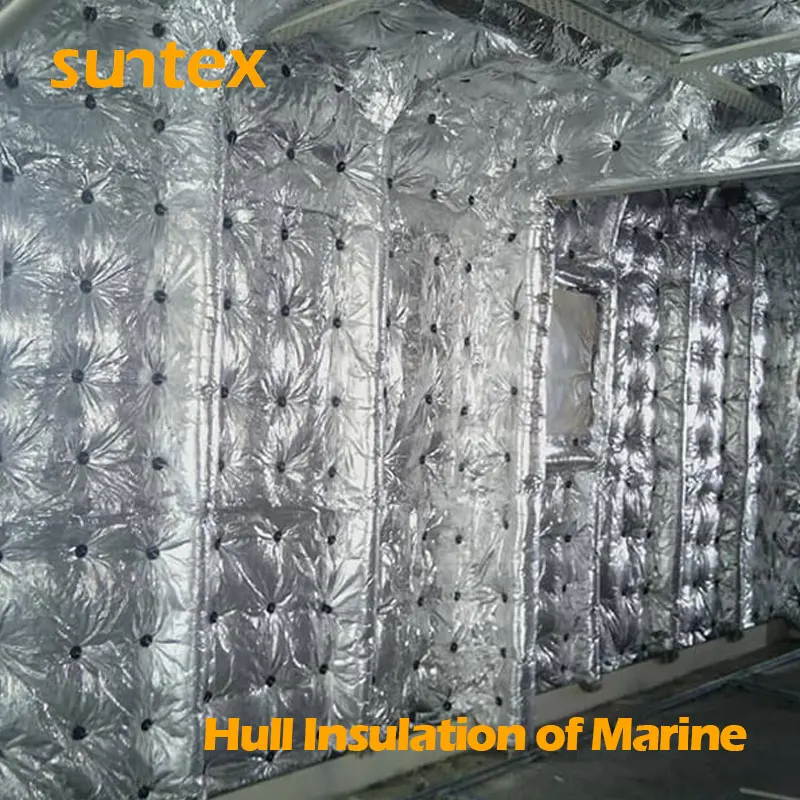
  • Hull Insulation: The hull of a ship is the primary barrier between the interior and the external marine environment. Fiberglass fabrics are used in hull insulation to reduce heat transfer. In large-scale commercial vessels, fiberglass insulation panels made from fiberglass fabrics and resin composites are installed on the inner surface of the hull. These panels help in maintaining a stable temperature inside the ship, whether it is in cold polar waters or warm tropical seas. For example, in oil tankers, the use of fiberglass-based hull insulation helps in preventing the heating or cooling of the oil cargo due to the external temperature, which is crucial for the safe transportation and storage of the oil.
  • Engine Room Insulation: Engine rooms are sources of high heat and noise. Fiberglass fabrics play a vital role in engine room insulation. They are used to line the walls, ceilings, and floors of the engine room. The high-temperature resistance of fiberglass fabrics protects the surrounding structures from the intense heat generated by the engines. Additionally, the sound-absorbing properties of fiberglass help in reducing the noise levels in the engine room, which is beneficial for the safety and comfort of the crew working in that area. In some high-performance ships with powerful engines, fiberglass insulation blankets are wrapped around the engine components to enhance heat insulation and noise reduction further.
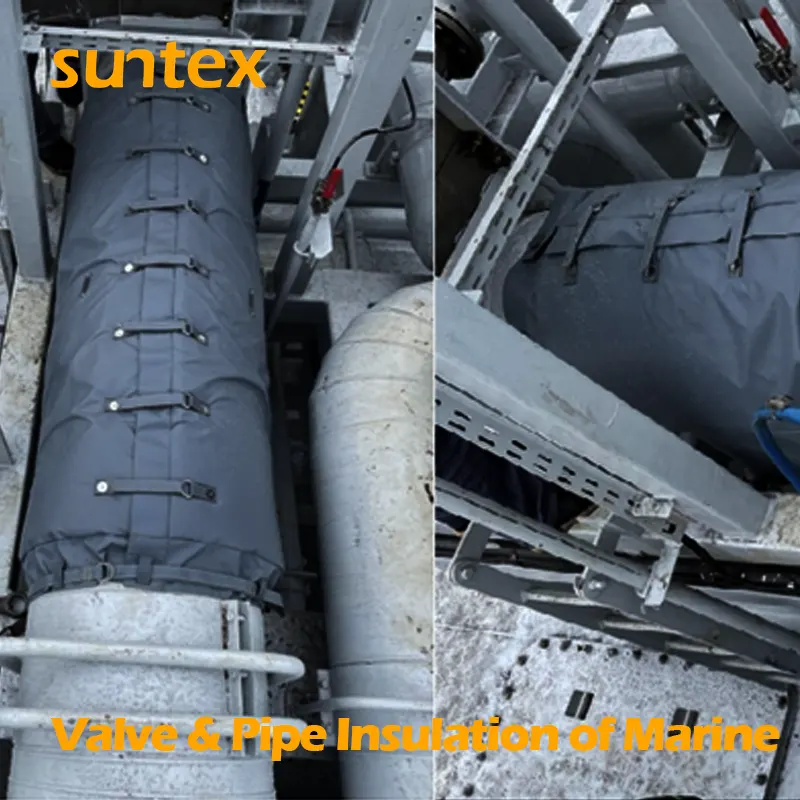
  • Pipe Insulation: Ships have a complex network of pipes for various fluids such as water, fuel, and steam. Fiberglass fabrics are used to insulate these pipes. For steam pipes, fiberglass insulation sleeves or tapes are wrapped around the pipes to prevent heat loss. This heat conservation is not only important for energy efficiency but also for preventing the formation of condensation on the outer surface of the pipes, which could lead to corrosion. In the case of fuel pipes, the insulation provided by fiberglass fabrics helps in maintaining the fuel at the appropriate temperature, ensuring smooth fuel flow and combustion in the engines.

What Materials Can Be Used for Marine Insulation?

Marine Insulation Materials for Hull Insulations

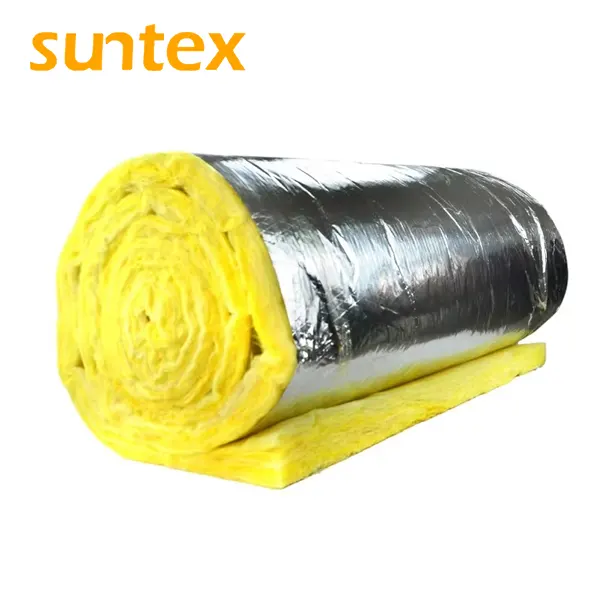
  • Fiberglass wools laminated with aluminum foil: It is a high-performance marine insulation material. Its core is low-thermal-conductivity fiberglass wool, effectively blocking heat transfer between engine rooms, cabins, and other areas. The aluminum foil layer enhances thermal reflection, resists marine high humidity and salt corrosion, and prevents moisture absorption of fiberglass wool. It meets marine fire standards, is lightweight and easy to install on hulls, pipelines, and engine enclosures. With excellent durability and cost-effectiveness, it maintains stable insulation performance in harsh marine environments, safeguarding ship operation safety and crew comfort.
fiberglass wool for marine insulation

Marine Insulation Materials for Valve & Pipe Insulations

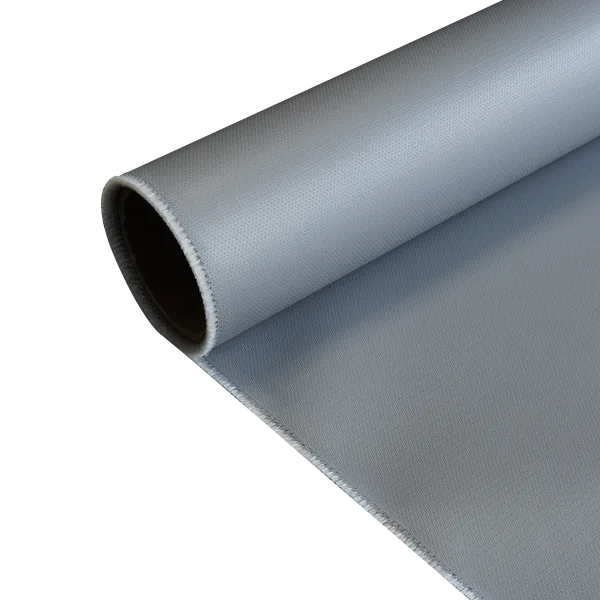
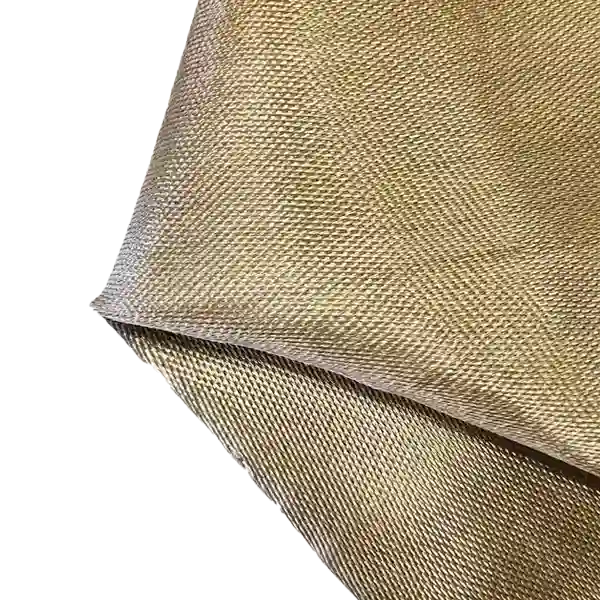
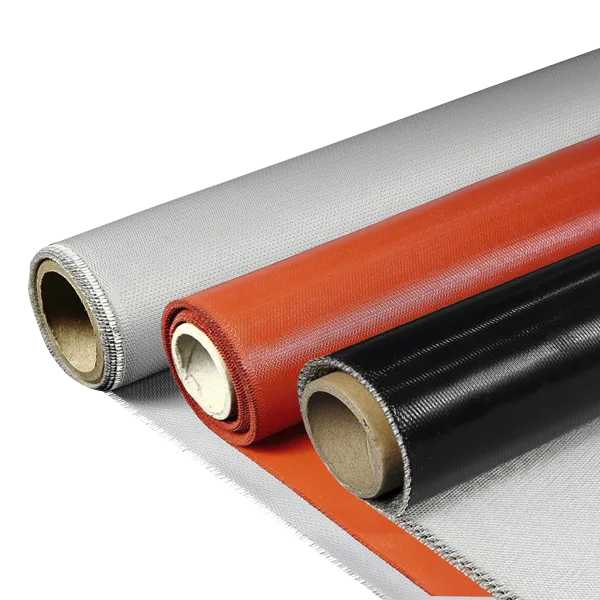
  • 1/ Silicone coated fiberglass fabrics, as outer layer of thermal insulation blankets, [510gsm, single coating, Suntex-1008] or [560gsm, double coatings, Suntex-1015]: Silicone coated fiberglass fabric is ideal for valve and pipe insulation outer layers due to its excellent fire resistance, which prevents ignition and reduces flame spread. Its high-temperature tolerance allows it to withstand extreme conditions, maintaining integrity without melting or degrading. Additionally, this material exhibits outstanding weather resistance, protecting insulation from moisture, UV light, and chemicals, ensuring long-lasting performance in harsh environments.
Hot Sale 560gsm Grey silicone Coated Fiberglass Fabric Suntex-1015
Silicone coated fiberglass fabric for marine insulation, outer layer of insulation mattress
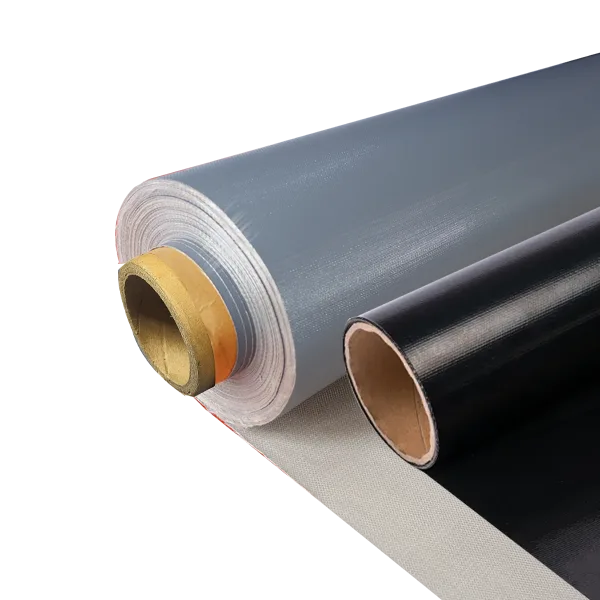
  • 2/ PTFE impregnated fiberglass fabrics, as outer layer of thermal insulation blankets, [580gsm, single coating, Suntex-8001(anti-static)/Suntex-8003] or [680gsm, double coatings, Suntex-8006]: PTFE coated fiberglass fabric is an excellent choice for valve and pipe marine insulation outer layers due to its exceptional resistance to chemicals, high temperatures, and moisture. PTFE provides low friction and anti-static properties, crucial for preventing static electricity buildup, especially in LNG vessels. Its durability ensures long-lasting performance in harsh marine environments, while its non-stick surface facilitates easy cleaning. This makes PTFE an ideal material for maintaining the safety and efficiency of insulation systems on marines.
PTFE Coated Fiberglass Fabrics
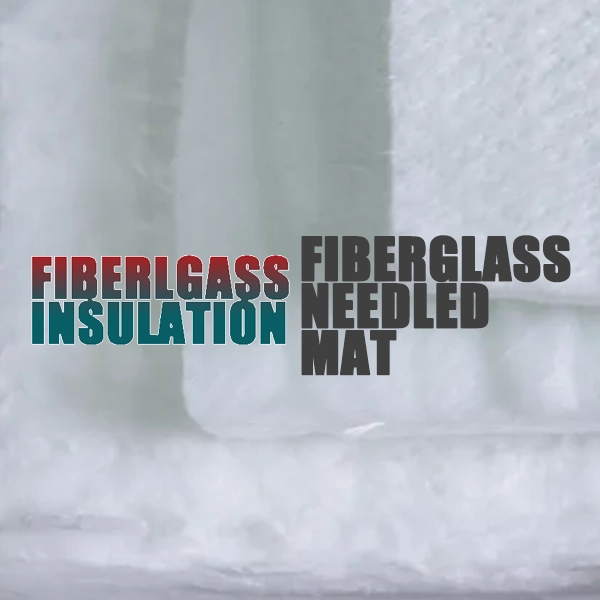
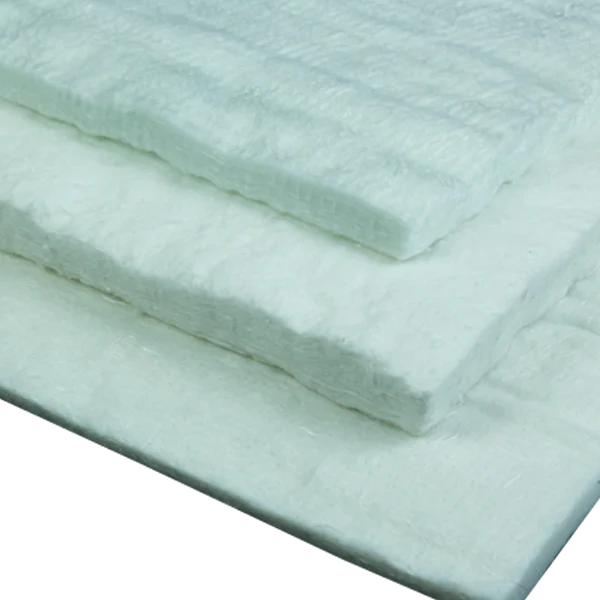
  • Fiberglass needled felts, as the insulating layer of thermal insulation mattress/blankets, [6mm, 12mm, etc]: Glass fiber mats are suitable for marine insulation, primarily due to their lightweight and corrosion-resistant properties, with their outstanding temperature resistance and thermal insulation performance being even more critical. Their typical temperature resistance range is from -196°C to 550°C, and some high-temperature resistant models can withstand up to 800°C, fully covering the temperature environments of ship engine rooms, exhaust pipes, and other components. In terms of thermal insulation, their thermal conductivity is usually as low as 0.03-0.04 W/(m·K), and the closed air pockets formed by the interwoven fibers can effectively block heat transfer, meeting the temperature control needs of cabin spaces. Additionally, they are insoluble in seawater and oil stains, have low density to reduce ship weight, and possess flame retardancy without releasing toxic gases when burned, complying with ship safety standards. Moreover, their cost is lower than that of special insulation materials, making them highly suitable for marine insulation applications.
Fiberglass Insulation - fiberglass needled mat
Fiberglass needled mats for marine insulation, the insulating layer of thermal mattress
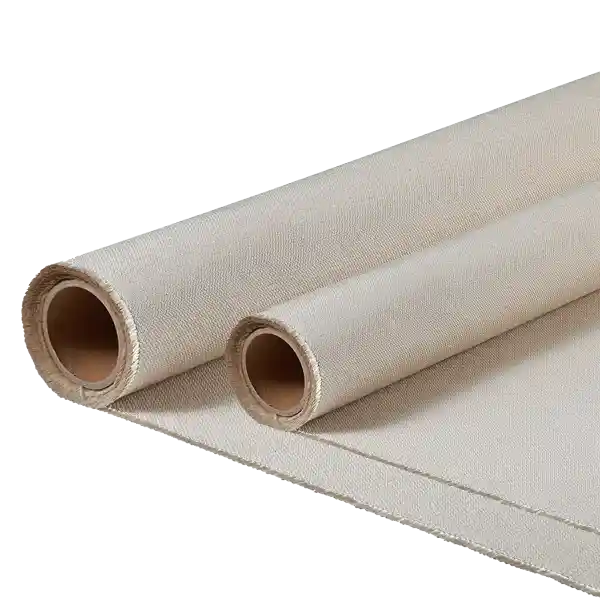
  • 1/ Heat-treated fiberglass fabrics as the inner layer of the thermal mattresses, [580gsm, Suntex-TGF580HT]: Heat treated fiberglass cloth exhibits excellent high-temperature resistance and low thermal conductivity, effectively blocking heat transfer. Additionally, it produces no smoke when preheated, ensuring safe use. Its corrosion resistance and chemical durability make it suitable for long-term use in marine environments without deterioration. The material’s lightweight and flexibility facilitate easy processing and installation. Its affordability further establishes it as an ideal choice for marine insulation jackets, enhancing energy efficiency and ship performance.
heat treated fiberglass fabric
Heat treated fiberglass fabrics, good option for low budget projects of thermal insulation covers.
  • 2/ Metal oxide fiberglass fabric, as the inner layer of the thermal mattress, [950gsm, Suntex-5053]: Metal oxide coatings significantly enhance the heat resistance of fiberglass fabric. Compared to heat-treated fiberglass, metal oxide coatings can withstand higher temperatures, ensuring that the material does not deform or degrade under extreme conditions. Additionally, these coatings improve the overall strength and durability of the fabric, making it more suitable for high-temperature environments and an ideal choice for industrial applications and fire-resistant materials.
Metal oxide fiberglass fabrics from Suntex
Metal oxide fiberglass fabric, a better option than heat treated fiberglass fabric for thermal insulation covers
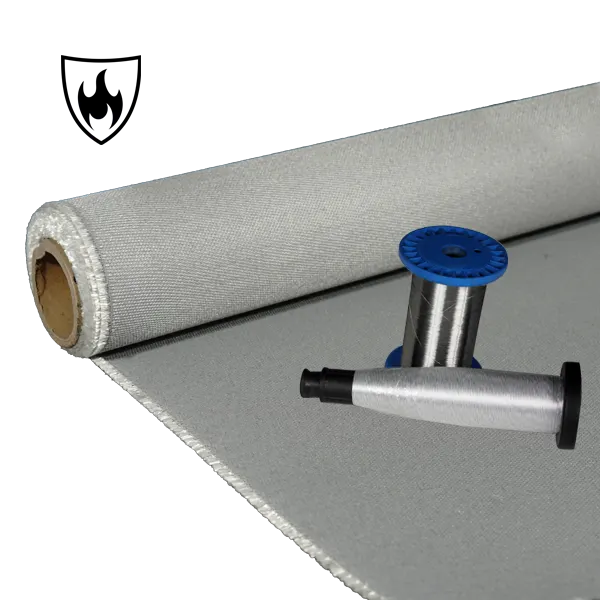
  • 3/ PU coated fiberglass fabrics with V4A s.s. wire reinforced, as the inner layer of the thermal mattress, [690gsm, Suntex-2040]: PU coated fiberglass fabric with V4A stainless steel wire reinforcement is ideal for environments around 400°C that experience long-term vibrations. The PU coating provides superior water and chemical resistance, while the V4A stainless steel wire enhances structural integrity and tear resistance. This robust combination ensures excellent thermal insulation, making it perfect for marine applications. Its lightweight and flexible design allows for easy installation and long-lasting performance, crucial in challenging marine settings.
690gsm PU coated fiberglass S.S.fabric for fire curtain
PU coated fiberglass fabric with V4A s.s. wire reinforced, as the inner layer of the thermal mattress

Marine Insulation Materials for Turbine or Engine Exhaust Insulations

The main turbines and engine exhaust outlets on ships operate under high-temperature conditions ranging from 450°C to 750°C, accompanied by strong vibrations and significant noise. In such harsh environments, the exhaust system needs to utilize high-strength, high-temperature insulation materials that also possess excellent fire resistance. These materials not only effectively insulate against heat and noise, ensuring operational safety, but also withstand the impacts of vibrations, further enhancing the reliability and stability of the equipment and extending its service life.
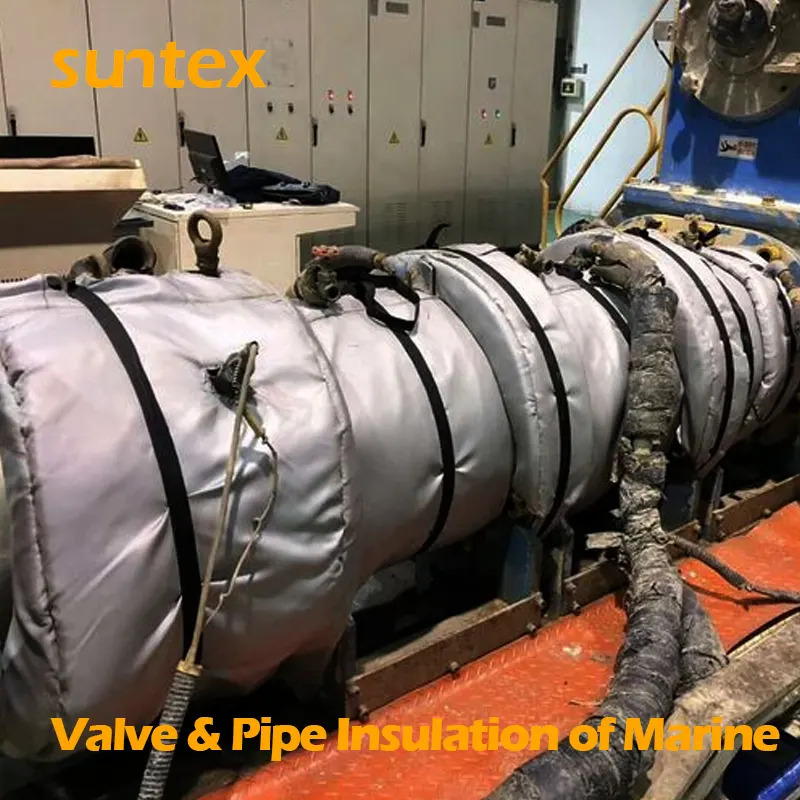
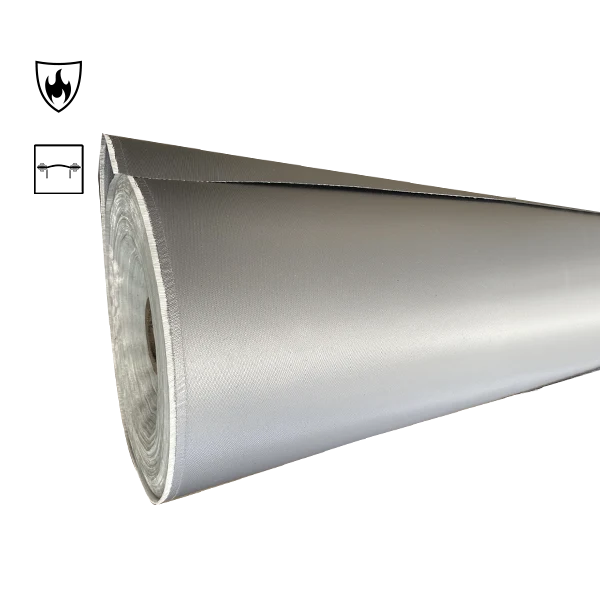
  • Silicone coated fiberglass fabrics, as outer layer of insulation mattresses/blankets, [860gsm, single coating, Suntex-1228] or [1120gsm, double coatings, Suntex-1027]: For the insulation mattresses or blankets used in turbines or engine exhausts, the choice of outer layer materials must withstand high temperatures, resist oil contamination, and provide high strength. Therefore, heavy silicone rubber coated fiberglass fabric is recommended. Suntex has specifically developed two types of fabrics tailored for this harsh and high temperature environment and strength requirements.
1280gsm Grey Silicone Coated Fiberglass Fabric for Expansion Fabric Joint
Heavy silicone rubber coated fiberglass fabrics for harsh and high temperature working environments of marine insulation
  • Silica needled felts or Rockwool, as the insulating layer of thermal insulation mattresses/blankets: Silica needled mats and rock wool are ideal insulation materials for turbines and engine exhausts due to their exceptional properties. Rock wool offers superior thermal insulation, maintaining optimal temperatures and ensuring safety with its non-combustible nature. Additionally, it provides effective soundproofing, significantly reducing noise levels generated during turbine operation. Together, these materials deliver reliable thermal resistance and enhanced protection in harsh operating conditions.
Suntex-Insulation materials@600x600

1/High temperature finished fiberglass fabric with V4A s.s wire reinforced, as the inner layer of the thermal mattress, [1230gsm, Suntex-5058]: The Suntex-5058 fabric is a high-temperature finished fiberglass material reinforced with stainless steel wire, representing the pinnacle of turret insulation technology. It boasts an impressive temperature resilience of up to 1112°F to 1382°F (600°C to 750°C), making it ideal for high-performance applications. This fabric maintains its integrity in continuous high-temperature environments, preventing heat leakage while withstanding vibrations. With over three years of use in various projects without any damage, it showcases exceptional durability against thermal shock and mechanical stress, ensuring reliable performance in demanding conditions.
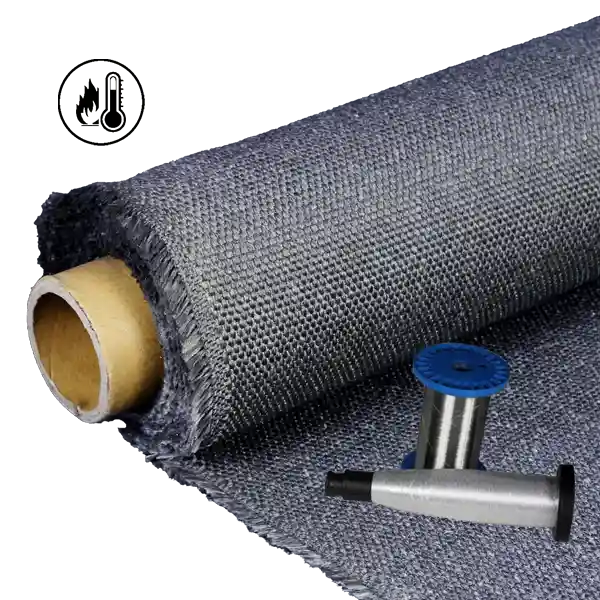
1250gsm 1.3mm High Temperature Finished Fiberglass Fabric with S.S. Wire Reinforced
High temperautre finished fiberglass fabric with V4A s.s. wire reinforced, best option for turbine/engine/exhaust insulation of marine

2/Vermiculite coated fiberglass fabric with V4A s.s. wire reinforced, as the inner layer of the thermal mattress, [1280gsm, Suntex-5065]: Vermiculite fiberglass fabric reinforced with stainless steel wire offers exceptional high-temperature resistance and vibration durability. This fabric maintains its integrity in continuous high-temperature environments, effectively preventing heat leakage. Vermiculite materials enhance thermal insulation and fire resistance, ensuring reliable performance and safety in demanding applications.
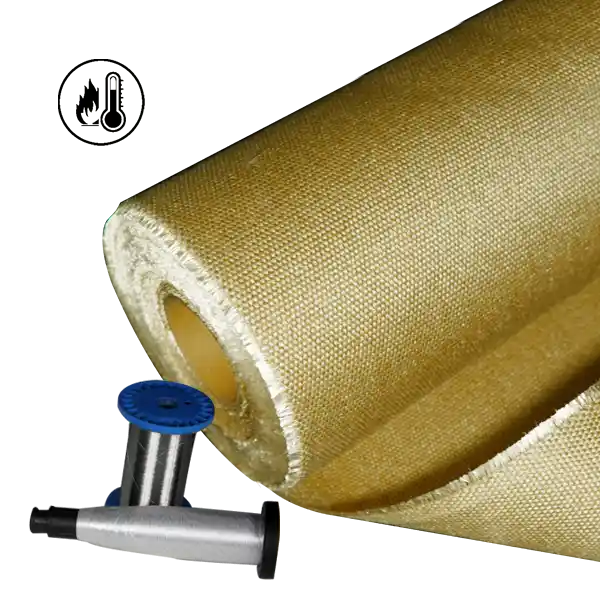
1250gsm 1.3mm Vermiculite Coated Fiberglass S.S. Wire Fabric
Vermiculite coated fiberglass fabric with s.s. wire reinforced, for high temperature and vibration working status.

Where can I buy high-temperature materials needed for marine insulation?

Suntex has been a leading manufacturer of high-temperature industrial textiles since 2004. They offer high-performance and high-temperature industrial textiles widely used in marine insulation. These materials are fire-resistant, oil-resistant, weatherproof, shock-resistant, high-temperature tolerant, and UV-resistant. Thanks to decades of continuous R&D investment, Suntex materials are recognized by many insulation mattress manufacturers and used in various marine applications.

If you need to purchase these high-quality materials, please contact our sales expert, Mr. Jason, directly at his email: [email protected].

Datasheet & MSDS of fiberglass fabrics
  • Free samples available.
  • Datasheets available.
  • MSDS available.

Download Datasheet

Please fill out the form to send us a message, we will send datasheet to you within 2-3 hours of business hours.

Silicone Coated or Impregnated Fiebrglass Fabrics

Why Choose Suntex?

  • The largest manufacturer in China.
  • Since 2004, 20 years+ experience.
  • ISO9001 certified, TUV/BV factory audited.
  • Supplier to Fortune 500 companies.
  • Recognized by over 600 customers worldwide.
  • China National High-tech Enterprise

Get an instant quote

Please fill out the form to send us a message, we will get back to you within 2-3 hours of business hours.